Recognizing Warning Signs of High-Risk Pregnancy
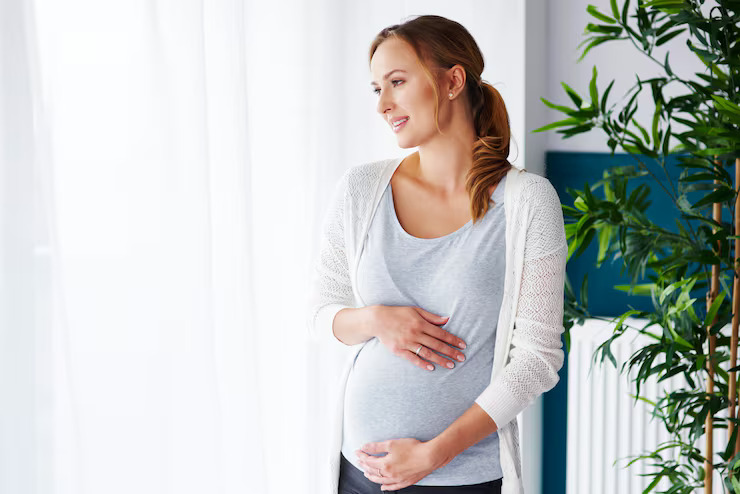
Women are the foundation of a healthy family and society. Pregnancy is usually a joyful and natural process; however, complications can sometimes arise and become life-threatening. Many maternal deaths and pregnancy-related complications occur not because treatment is unavailable, but because the warning signs were not recognized early enough.
On Women’s Day, raising awareness about high-risk pregnancy and its warning signs is an important step toward protecting both mothers and babies. When women and their families understand when to seek medical care, many complications can be prevented or managed in time.
What is High-Risk Pregnancy?
A pregnancy is considered high-risk when the health of the mother, the baby, or both is at increased risk of complications. This may occur due to pre-existing medical conditions, pregnancy-related complications, or genetic predispositions.
Common factors that increase pregnancy risk include:
However, complications can also develop in women who previously had healthy pregnancies. Recognizing warning signs during pregnancy is therefore essential.
Severe Vaginal Bleeding
Heavy vaginal bleeding during pregnancy should always be considered a serious warning sign. While mild spotting can occur in early pregnancy, heavy bleeding may indicate miscarriage, placental complications, or ectopic pregnancy. Bleeding accompanied by abdominal pain, dizziness, or weakness requires immediate medical attention.
Persistent Headache or Blurred Vision
A severe headache that does not improve with rest, especially when accompanied by blurred vision or flashing lights, may indicate dangerously high blood pressure during pregnancy. This condition, known as preeclampsia, can affect vital organs such as the brain, liver, and kidneys. If untreated, it may progress to eclampsia, a life-threatening condition associated with seizures.
Sudden Swelling of the Face and Hands
Mild swelling of the feet is common during pregnancy due to fluid retention. However, sudden swelling of the face, eyelids, or hands may indicate pregnancy-induced hypertension or other complications, particularly when associated with headache or vision problems.
Decreased Fetal Movements
After about the 20th week of pregnancy, mothers begin to feel their baby’s movements regularly. These movements are an important indicator of fetal wellbeing. Reduced or absent fetal movements may signal fetal distress and should prompt immediate medical evaluation.
Severe Abdominal Pain
Persistent or severe abdominal pain is not normal during pregnancy. It may indicate conditions such as placental abruption, preterm labor, or infection. Pain associated with bleeding, fever, vomiting, or fainting should be treated as an emergency.
Fever or Signs of Infection
High fever during pregnancy may indicate infection, which can affect both mother and baby. Symptoms such as fever above 38°C, burning during urination, severe weakness, or persistent vomiting require medical attention.
Importance of Antenatal Care
Regular antenatal check-ups help detect complications early. Doctors monitor blood pressure, fetal growth, blood tests, and ultrasound findings to ensure both mother and baby remain healthy. Early registration of pregnancy, proper nutrition, and timely medical consultation play a vital role in preventing complications.
While modern medicine offers advanced care for high-risk pregnancies, awareness remains the most powerful tool. Recognizing warning signs early and seeking timely medical help can significantly improve outcomes for both mother and child.
By Dr. Anita Soni
Director - Obstetrics & Gynaecology
For More Information, Call Dr L H Hiranandani Hospital, Powai, Mumbai – 8424007007
Email Us On: [email protected].
Book your appointment online or call our team directly.