Hair concerns often start quietly but can grow into a source of constant stress if left unaddressed. Understanding when professional care is necessary helps protect long-term hair health. This guide explains how hair loss, hair thinning, and scalp changes signal the right time to seek expert hair loss treatment from a dermatologist.
Hair health is closely connected to overall physical and emotional wellbeing. Changes in hair condition often reflect deeper internal imbalances rather than surface-level cosmetic issues. Addressing hair problems early helps maintain confidence, prevents progression, and improves treatment success.
Hair follicles respond quickly to changes in nutrition, hormones, immunity, and stress. When the body experiences imbalance, it redirects nutrients away from non-essential functions like hair growth, making shedding or thinning more noticeable. Persistent changes in hair quality may indicate deficiencies, thyroid disorders, or chronic inflammation. Because hair reacts early, it often serves as a visible warning sign that something internally needs attention, making timely evaluation essential for overall health management.
Early intervention allows weakened but active follicles to recover before permanent damage occurs. Once follicles become dormant or scarred, regrowth becomes significantly more difficult. Starting hair loss treatment at the first signs of thinning helps stabilize shedding, preserve existing density, and reduce reliance on aggressive procedures later. Early care is similar to preventive maintenance—it minimizes long-term damage and improves outcomes with simpler, safer treatments.
Hair loss affects more than appearance; it often influences self-esteem, social confidence, and mental health. Many individuals experience anxiety, frustration, or reduced confidence as hair density declines. This emotional stress can further worsen hair loss, creating a cycle that is difficult to break alone. Professional guidance provides clarity, reassurance, and structure, helping individuals regain control and reduce the emotional burden associated with ongoing hair concerns.
Some degree of hair shedding is part of the natural growth cycle, but understanding its limits is crucial. Recognizing the difference between normal shedding and abnormal hair loss helps prevent unnecessary worry while ensuring timely medical care when needed.
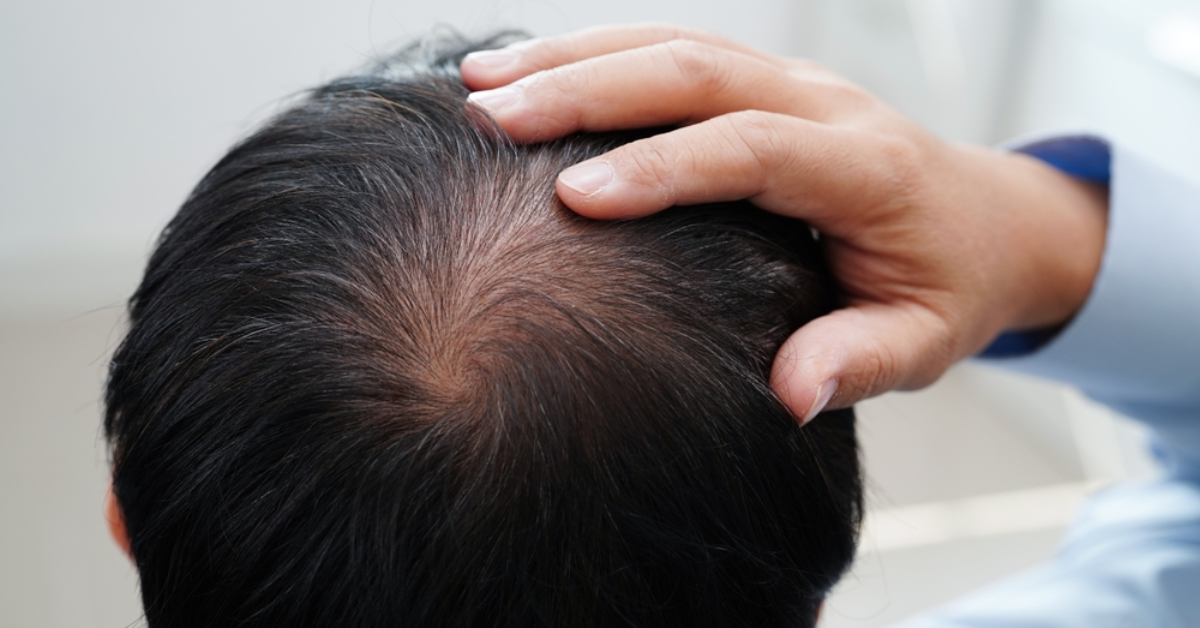
Normal hair shedding occurs as part of the hair growth cycle and does not reduce overall density. Chronic hair loss, however, leads to noticeable thinning, reduced volume, and visible scalp areas over time. If shedding continues for several months without regrowth, it usually indicates disruption of the hair cycle. Persistent loss often requires evaluation by a Dermatologist for hair loss to identify and correct the underlying cause.
Seasonal shedding commonly occurs during weather changes and typically resolves on its own. Temporary hair fall may also follow illness, surgery, emotional stress, or childbirth. In these cases, follicles usually recover once the trigger resolves. The key indicator is regrowth. When shedding decreases and new hair appears within a few months, the condition is usually temporary and self-limiting.
Excessive hair accumulation on pillows, shower drains, or hands after gentle combing may signal abnormal loss. When shedding is accompanied by itching, pain, redness, or flaking, scalp inflammation is often involved. These combined symptoms suggest a medical issue rather than routine shedding and should prompt professional evaluation to prevent long-term follicle damage.
Hair problems typically progress gradually, making early signs easy to overlook. Recognizing subtle changes allows timely action before hair loss becomes advanced or irreversible.
Hair that once felt thick and resilient may become fine, dry, or brittle over time. These changes often reflect nutritional deficiencies, hormonal imbalance, or reduced scalp circulation. Weak hair shafts break easily, making hair appear thinner even before significant shedding occurs. Addressing texture changes early helps protect follicle health and prevent progression to visible thinning.
Persistent scalp itching, burning, or tenderness often indicates inflammation, infection, or allergic reactions. An unhealthy scalp environment interferes with follicle function and accelerates hair loss. Many people focus on hair strands while ignoring the scalp, but follicle health depends heavily on scalp condition. Ongoing discomfort should never be dismissed as purely cosmetic.
Breakage differs from hair fall but can worsen overall thinning. Chemical treatments, excessive heat styling, and harsh grooming weaken the hair shaft. When breakage occurs alongside shedding, it usually reflects deeper structural or nutritional issues. Professional assessment helps differentiate between breakage-related thinning and follicular hair loss, ensuring appropriate treatment.
While home care can support hair health, persistent or worsening hair problems require medical expertise. A Dermatologist for hair loss provides accurate diagnosis and evidence-based treatment plans.
Home remedies and cosmetic products may improve hair texture temporarily but rarely address underlying causes. Hormonal imbalance, inflammation, and genetic sensitivity cannot be corrected through topical oils alone. Relying solely on self-treatment often delays proper care, allowing follicular damage to progress and reducing the effectiveness of future treatments.
Dermatologists approach hair loss as a medical condition, not a cosmetic inconvenience. They assess scalp health, follicle activity, growth patterns, and overall health factors. This clinical perspective ensures treatments target the root cause rather than masking symptoms. Accurate diagnosis eliminates guesswork and prevents unnecessary spending on ineffective products.
Sudden, severe, patchy, or painful hair loss requires prompt medical attention. Hair loss associated with redness, scarring, or rapid progression may indicate autoimmune or inflammatory conditions. Early diagnosis in such cases is critical to prevent irreversible follicle damage and preserve remaining hair.
Long-term hair issues usually result from multiple interacting factors. Identifying these causes is essential for effective and lasting treatment.
Genetics influence hair density, growth cycles, and follicle sensitivity. While genetic hair loss cannot be completely reversed, early management can significantly slow progression. Understanding family patterns helps dermatologists anticipate changes and design preventive strategies that preserve existing hair for as long as possible.
Chronic stress, poor sleep, inadequate nutrition, and environmental pollution gradually weaken hair follicles. These factors often go unnoticed until visible thinning occurs. Addressing lifestyle contributors is critical, as medical treatments alone cannot succeed without supportive daily habits that protect follicle health.
Chronic illnesses such as diabetes, autoimmune disorders, and inflammatory conditions interfere with nutrient delivery to follicles. Hair loss in these cases often persists until the underlying condition is managed. Treating the root medical issue is essential before meaningful hair regrowth can occur.
Hormonal balance plays a central role in regulating the hair growth cycle. Even minor hormonal fluctuations can significantly impact hair density and shedding patterns.
Both overactive and underactive thyroid conditions commonly cause widespread hair shedding. Hair may become dry, brittle, and slow-growing. Without proper thyroid management, hair loss often persists despite topical treatments. Correcting thyroid imbalance typically leads to gradual improvement in hair growth and quality.
Polycystic ovary syndrome frequently causes hair thinning due to elevated androgen levels. This type of hair loss often affects the crown and part line while increasing facial or body hair growth. Medical management helps balance hormones, reduce follicle sensitivity, and slow progression when started early.
Iron deficiency, vitamin D deficiency, and chronic inflammation reduce oxygen and nutrient supply to hair follicles. This leads to prolonged shedding and reduced regrowth. Identifying and correcting deficiencies is a critical component of effective hair loss treatment and long-term hair recovery.
Hair concerns are rarely superficial. They reflect deeper biological, hormonal, and lifestyle factors that require timely attention. Understanding when to consult a dermatologist helps prevent irreversible damage and improves treatment success. Early professional care ensures accurate diagnosis, effective hair loss treatment, and sustainable hair health, allowing individuals to regain both confidence and control over their hair journey.
1. How long should hair loss last before seeing a dermatologist?
If hair loss persists beyond three months, professional evaluation is recommended.
2. Can thinning hair become thick again?
Yes, depending on the cause and how early treatment begins.
3. Are dermatology treatments safe for long-term use?
Yes, when supervised by a qualified professional.
Book your appointment online or call our team directly.