

Specialized care is crucial in high-risk pregnancies because it provides advanced monitoring, timely interventions, and expert guidance to protect the health of both mother and baby.
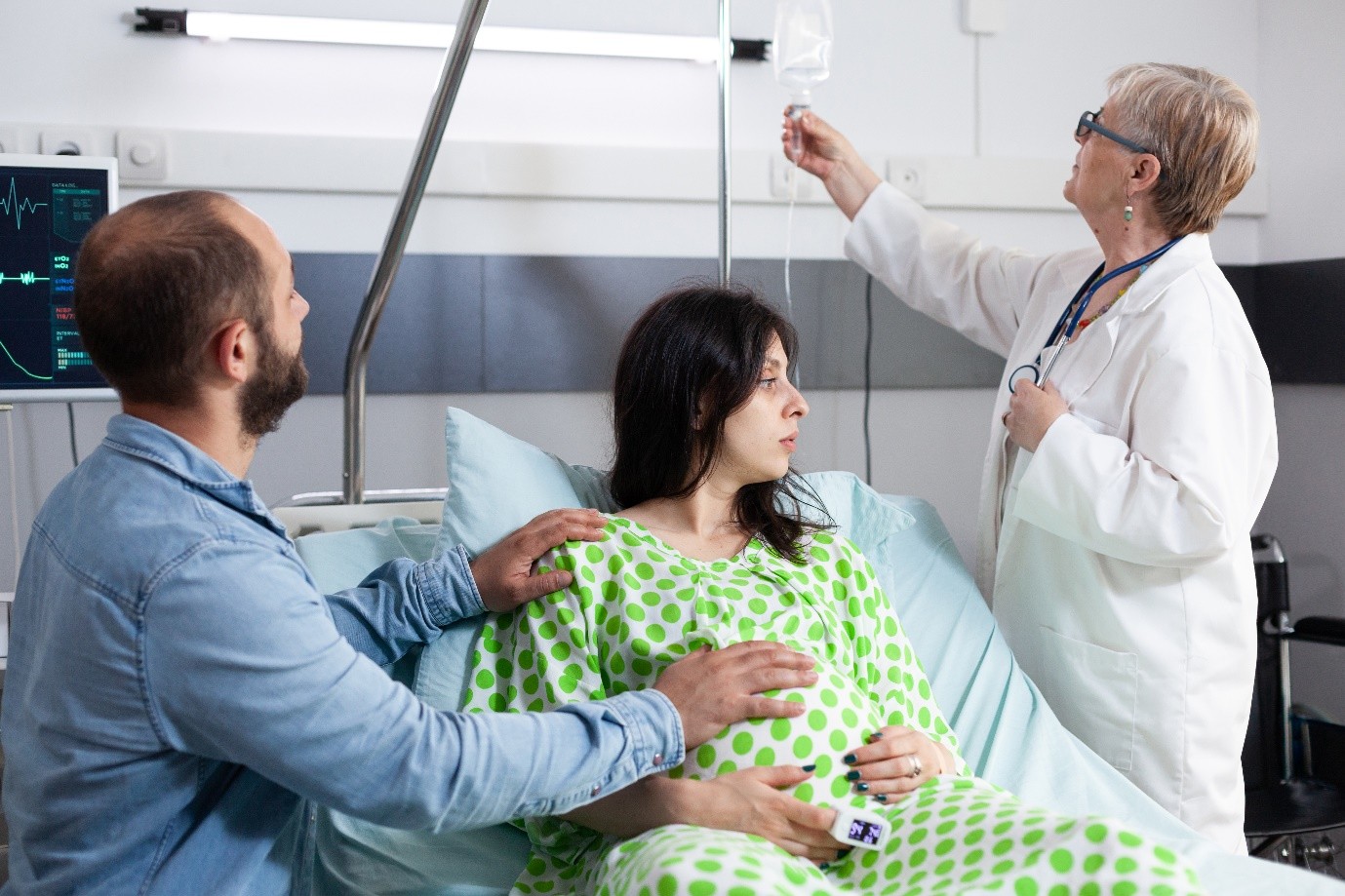
For many women, pregnancy is a transformative and joyful journey; however, it can also come with unique challenges when deemed high risk. In a high-risk pregnancy, the health of the mother, the baby, or both may be jeopardized without extra medical care. This does not automatically imply complications; it simply means that specialized monitoring and care are needed to ensure the safest possible outcome.
With the rise in maternal age, the prevalence of lifestyle-related health issues, and the progress made in diagnostic technologies, specialized care for managing high-risk pregnancies has become essential. Many high-risk pregnancies can proceed without complications and culminate in safe deliveries with the help of specialists. This blog examines why specialized care for high-risk pregnancies matters, what it includes, and how it affects patients.
Medical, obstetric, or lifestyle factors may lead to the classification of a pregnancy as high risk. Several usual reasons are:
By recognizing these risks in advance, it becomes possible to ascertain the degree of care needed to safeguard both mother and child during the entire pregnancy.
Specialized care guarantees ongoing supervision using state-of-the-art instruments such as:
For instance, in cases of gestational diabetes or hypertension, routine checkups allow doctors to modify medications, adjust diets, or arrange for early delivery when needed.
No two pregnancies classified as high-risk are the same. Care providers with specialization, frequently Maternal-Fetal Medicine (MFM) specialists, create individualized care plans that consist of:
With a personalized approach, the mother’s care will be tailored to her medical history and current condition.
Expert coordination between obstetricians and specialists is necessary for conditions such as diabetes, heart disorders, hypothyroidism, and epilepsy.
For instance:
Specialized care brings together a multidisciplinary team to manage these complexities.
Due to growth restrictions, congenital anomalies, or preterm birth risks, babies in high-risk pregnancies may require extra monitoring. Specialized treatment comprises:
This helps parents stay informed and prepared.
Pregnancies that carry a high risk may necessitate prompt action in the event of complications, such as:
Hospitals that provide specialized care are outfitted with neonatal intensive care units (NICUs), emergency obstetric teams, and rapid-response protocols to manage these circumstances effectively.
Pregnancies that carry high risk can have a mental toll. Mothers-to-be might encounter feelings of anxiety, fear, or emotional strain. Specialized treatment comprises:
The emotional well-being of a pregnant person significantly influences their overall experience of pregnancy and childbirth.
Specialized care teams determine the safest method and timing for delivery based on the risk factors involved. This might include:
A delivery plan that is well-coordinated minimizes complications for both the mother and the baby.
Management of high-risk pregnancies involves multiple disciplines. The team can consist of:
These obstetricians have received advanced training in the management of complex pregnancies. They supervise diagnosis, observation, and treatment.
To control diabetes, thyroid disorders, and hormonal imbalances.
For women suffering from hypertension or pre-existing heart conditions.
Specialists in the care of newborns, particularly vital when a premature birth is anticipated.
For families worried about hereditary or chromosomal conditions.
Develop balanced dietary plans for weight control, diabetes management, or particular health requirements.
Encourage emotional well-being during the entire pregnancy.
Effective monitoring and early diagnosis are significantly aided by modern medical technology. Several essential tools consist of:
These technologies guarantee that potential problems are identified and dealt with swiftly.
Care teams with specialized expertise also assist mothers in making secure lifestyle adjustments, including:
These changes significantly improve pregnancy outcomes.
Frequent prenatal visits allow doctors to evaluate:
Omitting these visits might postpone diagnosis and heighten complications. With specialized care, support is consistent and abnormalities can be detected early.
Specialized care aims to mitigate risks and foster a healthy pregnancy. It assists by:
A multitude of studies have demonstrated that mothers receiving specialized care have greater chances of giving birth to healthy babies, even in complicated pregnancies.
The right medical expertise, consistent monitoring, and supportive care can successfully manage a high-risk pregnancy. Mothers are empowered with the knowledge, confidence, and resources necessary to navigate this journey safely through specialized care. Recognizing risks at an early stage and opting for a healthcare facility that has advanced technology and multidisciplinary teams can greatly enhance the safety of pregnancy and childbirth.
The care for high-risk pregnancies at Dr L H Hiranandani Hospital is backed by a skilled team of obstetricians, specialists in Maternal-Fetal Medicine, neonatologists, and advanced diagnostic tools. The hospital guarantees safe, compassionate, and dependable care for mothers and babies through thorough monitoring, individualized care plans, and a cutting-edge NICU. From overseeing complicated medical issues to arranging for secure births, the expert maternity crew is committed to providing maternal care of the utmost quality.
Q. What makes a pregnancy high risk?
Conditions like maternal age, diabetes, hypertension, multiple pregnancies, or previous complications can classify a pregnancy as high risk.
Q. How often should I visit my doctor during a high-risk pregnancy?
Most women need more frequent prenatal visits, sometimes every 1–2 weeks, depending on the severity of the risk.
Q. Can high-risk pregnancies have normal deliveries?
Yes, many high-risk pregnancies result in normal deliveries if monitored closely and managed well by specialists.
Book your appointment online or call our team directly.