Recovering from orthopedic injuries or surgery can feel uncertain and physically demanding. Whether the journey involves joint degeneration, fractures, or knee replacement recovery, physical therapy plays a defining role in restoring movement and confidence. Rather than relying on rest alone, structured rehabilitation supports healing through guided motion, strength rebuilding, and functional retraining. This approach ensures recovery is active, progressive, and aligned with long-term mobility goals.
Orthopaedic recovery is a gradual and layered process that extends beyond the healing of bones or joints. It involves retraining muscles, restoring coordination, and rebuilding trust in movement. Each phase of recovery has a purpose, and physical therapy helps navigate these stages safely while minimizing setbacks and complications.
Orthopedic Recovery refers to the structured process of regaining mobility, strength, and functional independence after musculoskeletal injury or surgery. It involves correcting movement patterns that may have changed due to pain or immobilization. Without guided rehabilitation, the body often compensates incorrectly, placing excess stress on surrounding joints. Physical therapy ensures that healing tissues are supported while normal biomechanics are gradually restored, reducing the likelihood of chronic pain or long-term mobility limitations.
Rest is essential immediately after injury or surgery, but extended inactivity can slow healing. Muscles lose strength, joints stiffen, and circulation decreases, all of which delay recovery. Physical therapy introduces controlled movement that promotes blood flow and joint nutrition. This guided activity helps tissues heal properly while maintaining flexibility and strength, ensuring recovery progresses rather than stalls due to overprotection.
Recovery outcomes improve significantly when patients actively participate in their rehabilitation. Attending sessions consistently, performing prescribed exercises, and communicating discomfort allows therapists to adjust treatment effectively. Active involvement empowers patients, giving them a sense of control over their progress. This collaborative approach transforms recovery from a passive waiting period into a purposeful process focused on measurable improvement.
Physical therapy bridges the gap between medical intervention and functional independence. While surgery or medical treatment addresses structural issues, therapy restores movement quality and strength. This connection ensures that healing translates into real-world mobility rather than limited or compensatory movement.
Physical therapy is grounded in biomechanics and tissue adaptation principles. During Orthopedic Recovery, tissues respond to gradual and appropriate loading. Therapists apply evidence-based techniques to stimulate muscle activation and joint stability without overstressing healing structures. This balance promotes proper alignment, improves neuromuscular coordination, and reduces the risk of improper healing that can lead to long-term dysfunction.
Guided movement improves circulation, delivering oxygen and nutrients essential for tissue repair. Physical therapists monitor form and intensity, ensuring exercises remain within safe limits. This supervision prevents overuse injuries while encouraging steady progress. Structured movement also reduces swelling and stiffness, supporting smoother transitions between recovery phases.
Without physical therapy, patients may regain basic mobility but lack endurance or coordination. Therapy addresses these deficits through progressive strengthening and functional training. By restoring balanced movement, physical therapy helps prevent chronic pain, joint instability, and reduced activity tolerance that often develop after untreated injuries.
A successful knee replacement recovery depends heavily on structured rehabilitation. Surgery replaces damaged joint surfaces, but physical therapy teaches the body how to use the new joint efficiently. This process restores mobility while protecting the surgical outcome.
In the initial phase of knee replacement recovery, physical therapy focuses on gentle motion and swelling control. Early walking and range-of-motion exercises prevent stiffness and encourage circulation. These movements also reduce the risk of complications such as joint immobility or blood clots, laying the groundwork for long-term functional improvement.
As healing progresses, therapy emphasizes strengthening the quadriceps, hamstrings, and surrounding muscles. Strong muscle support stabilizes the knee and improves walking efficiency. Gradual resistance training increases endurance, allowing patients to resume daily activities with reduced fatigue and discomfort over time.
Fear of falling or damaging the joint is common after surgery. Physical therapy rebuilds confidence through supervised practice of everyday movements. Repeated success in controlled settings reassures patients that their knee can handle normal activity, supporting both physical and emotional recovery.
Physical therapy offers a wide range of advantages that extend beyond immediate symptom relief. It supports long-term joint health, independence, and quality of life while reducing the risk of future injuries.
One of the key Benefits Orthopedic Recovery provides is natural pain reduction. Strengthening muscles decreases joint stress, while stretching improves flexibility. Manual therapy techniques further relieve tension. Over time, these approaches reduce dependence on pain medication and support sustainable pain control.
Physical therapy focuses on restoring movements required for daily life, such as walking, bending, and climbing stairs. This functional approach ensures patients return to activities safely and efficiently. Improved movement patterns enhance independence and reduce the likelihood of reinjury during routine tasks.
By correcting muscle imbalances and improving coordination, physical therapy reduces stress on vulnerable joints. Patients develop better body awareness and movement efficiency, lowering the risk of future orthopedic issues and supporting long-term musculoskeletal health.
Every recovery journey is unique, shaped by the type of injury, surgical history, physical condition, and personal goals. Customized physical therapy programs are designed to respect these differences rather than applying a one-size-fits-all approach. By tailoring rehabilitation plans, therapists can address specific limitations, reduce unnecessary strain, and promote steady progress. This individualized strategy improves outcomes, enhances patient confidence, and ensures recovery remains both effective and sustainable over time.
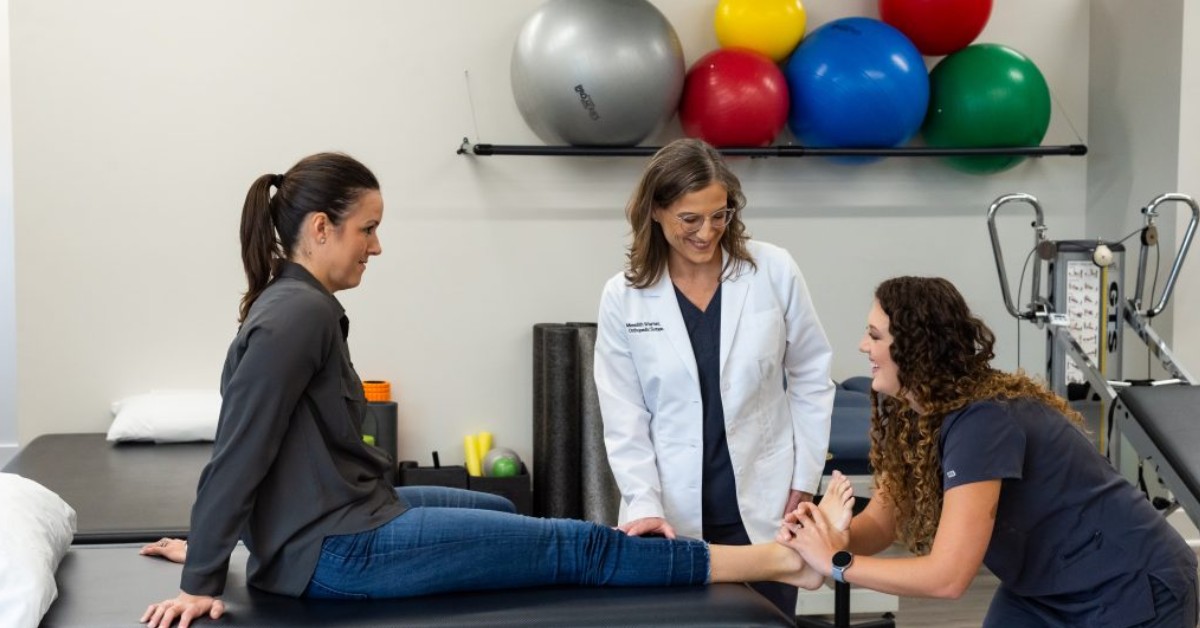
During Orthopedic Recovery, physical therapists conduct detailed assessments of strength, flexibility, joint mobility, and movement patterns. These evaluations help identify specific deficits caused by injury or surgery. Based on findings, therapists design personalized exercise programs that challenge the body without overwhelming healing tissues. As recovery progresses, plans are adjusted to reflect improved capacity and new goals. This adaptive approach ensures continuous improvement while minimizing setbacks and preventing secondary injuries.
Age and overall health significantly influence healing speed, endurance, and tolerance to physical stress. Physical therapy programs are adjusted to account for these factors, ensuring safety and effectiveness. Younger individuals may focus on strength, agility, and performance-based recovery, while older adults often prioritize balance, joint protection, and functional independence. Chronic conditions such as arthritis or diabetes are also considered, allowing therapy to progress steadily without compromising overall health or recovery outcomes.
Lifestyle factors such as work responsibilities, hobbies, and daily routines play a crucial role in shaping rehabilitation goals. Physical therapy integrates these real-world demands into treatment plans, helping patients regain confidence in practical movements. Whether returning to a physically demanding job or resuming household activities, therapy mimics these tasks in a controlled environment. This approach ensures recovery translates into meaningful, functional improvements that support long-term independence and quality of life.
Complications during recovery can significantly delay healing and affect long-term mobility. Physical therapy plays a proactive role in minimizing these risks by promoting safe movement, maintaining muscle activity, and improving joint function. Through guided exercises and continuous monitoring, therapy helps prevent secondary problems that often arise from prolonged inactivity or improper movement patterns during recovery.
Extended periods of inactivity commonly lead to joint stiffness and muscle atrophy, especially after orthopedic surgery or injury. Physical therapy counters these effects by introducing controlled movement early in recovery. Gentle range-of-motion exercises maintain joint flexibility, while progressive strengthening preserves muscle mass. This approach supports healthy circulation, reduces discomfort, and ensures joints remain functional, allowing patients to transition more smoothly into advanced stages of rehabilitation.
Re-injury often occurs when patients return to activity with poor movement mechanics or muscle imbalances. Physical therapy retrains proper alignment, posture, and movement patterns, ensuring joints and muscles work together efficiently. Therapists also focus on strengthening supportive muscles to reduce stress on vulnerable areas. This structured retraining lowers the likelihood of setbacks, helping patients maintain progress and protect long-term orthopedic health.
Balance and coordination are essential for safe movement, particularly in older adults or those recovering from lower-limb injuries. Physical therapy strengthens neuromuscular connections through targeted exercises that improve stability and reaction time. Enhanced balance reduces fall risk and builds confidence during walking and daily activities. Over time, improved coordination supports smoother, more controlled movement, contributing to safer and more independent mobility.
Orthopedic rehabilitation is most effective when guided by structured physical therapy. From injury management to knee replacement recovery, therapy transforms healing into functional independence. With consistent effort and professional support, patients achieve stronger movement, reduced pain, and lasting mobility.
1. When should physical therapy begin after orthopedic surgery?
Physical therapy usually begins shortly after surgery based on medical guidance.
2. Is physical therapy necessary even if pain improves?
Yes, therapy restores strength and prevents future problems beyond pain relief.
3. How long does knee replacement recovery with therapy take?
Most patients see steady improvement over several months with consistent therapy.
Book your appointment online or call our team directly.