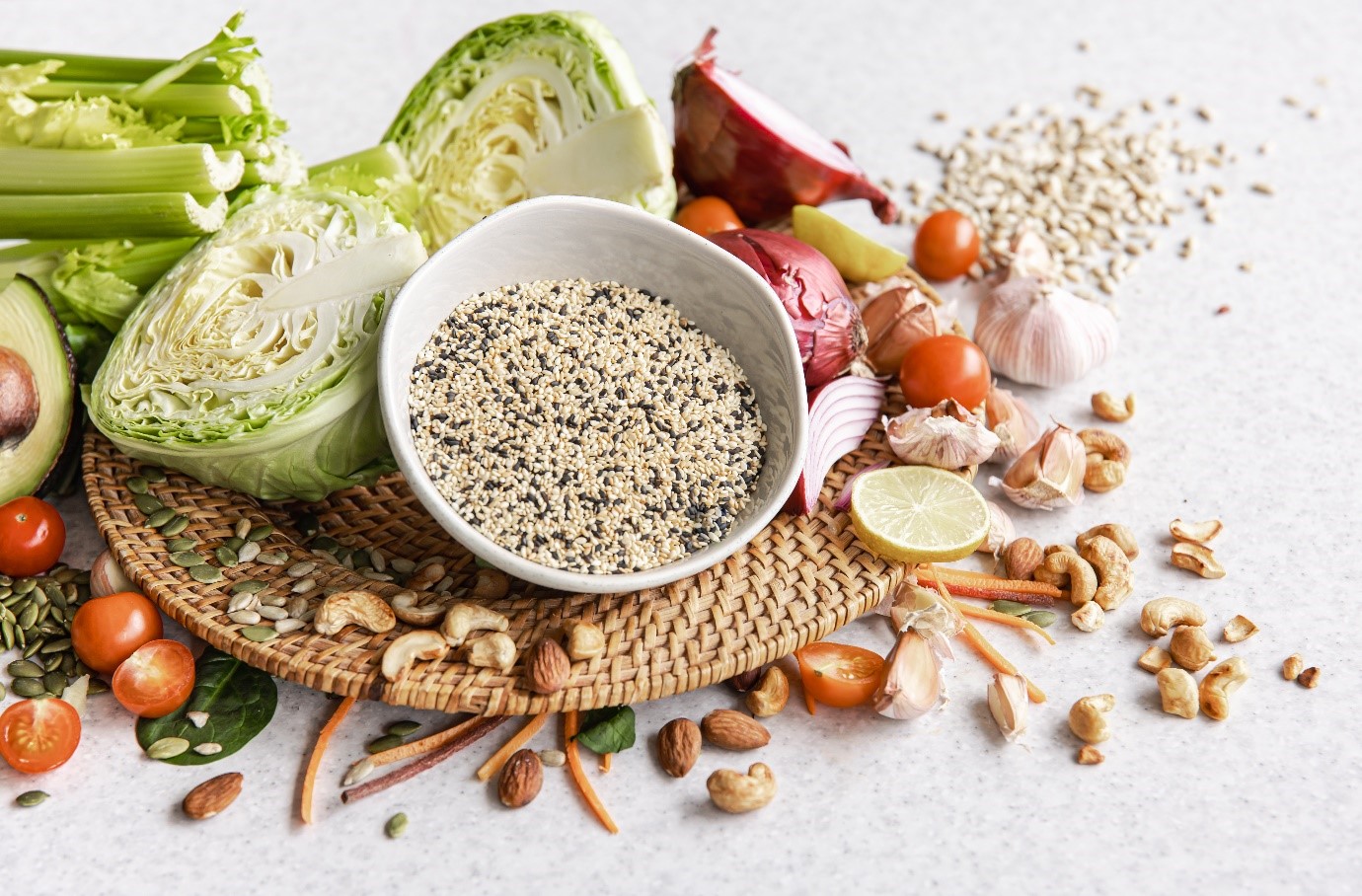
A robust digestive system is crucial for overall health, and one of the most effective yet frequently neglected factors in digestive wellness is dietary fiber. Present in large quantities in plant-based foods, fiber is vital for ensuring regular bowel movements, supporting the gut microbiome, and warding off various digestive issues. Although it is essential, many individuals do not meet their daily fiber intake, resulting in common problems such as constipation, bloating, indigestion, and chronic gastrointestinal conditions.
This blog examines the different types of dietary fiber, their functions, and the reasons why adding more fiber-rich foods to your daily diet can enhance your digestive health.
Dietary fiber consists of components from plant-based foods that the body cannot break down or absorb. In contrast to proteins, fats, or carbohydrates, fiber travels through the stomach, small intestine, and colon with relatively little alteration. While it does not directly supply calories or nutrients, it offers great advantages for the digestive system.
There are two main types of fiber:
Soluble fiber creates a gel-like substance when it dissolves in water. It slows the digestive process, stabilizes blood sugar levels, and contributes to healthy cholesterol.
Common sources:
Insoluble fiber does not break down in water. It increases stool volume and accelerates the transit of substances in the digestive system.
Common sources:
For the best digestive functioning, both kinds of fiber are vital and a well-balanced diet should incorporate both of them.
At every phase of digestion, dietary fiber is essential. Here’s how it fortifies and safeguards the digestive system:
One of fiber’s most well-known roles is preventing constipation.
Having regular bowel movements lowers the chances of developing hemorrhoids, anal fissures, and bloating.
While fiber is often linked to the alleviation of constipation, it can also assist with diarrhea. Excess fluid in the intestines can be absorbed by soluble fiber, which also helps to solidify loose stools. As a result, fiber acts as a natural means of stabilizing bowel consistency.
Soluble fiber serves as a prebiotic, nourishing the beneficial bacteria in your gut.
The advantageous bacteria ferment the fiber, generating short-chain fatty acids (SCFAs) like butyrate, propionate, and acetate. The following SCFAs:
A gut microbiome that is in good shape supports not only digestion but also metabolism, immunity, and mood regulation.
A diet high in fiber can significantly lower the risk of various digestive problems:
Fiber helps promote satiety, which aids in appetite control and reduces the risk of excessive eating. This contributes to digestion indirectly by:
Fiber slows the breakdown of carbohydrates, which helps regulate blood sugar spikes after meals and can further promote digestive balance.
This is frequently perceived as a cardiovascular advantage, but it also pertains to digestive health. Soluble fiber attaches to bile acids in the intestine and assists in their removal. This procedure necessitates that the liver generates additional bile acids, utilizing cholesterol from the blood circulation in the process.
This aids in smoother digestion as well as overall metabolic health.
Health experts recommend the following daily intake:
However, most people consume only half of the recommended amount.
A low intake of fiber can result in various digestive problems, including:
If these symptoms persist, boosting your fiber consumption can have a considerable impact.
Here are some outstanding food options that are rich in fiber:
For better digestion, try to incorporate fiber into each meal instead of eating it all at once.
A sudden increase in fiber can lead to bloating or gas. This is the way to do it step by step and without discomfort:
Allow your digestive system to adapt by gradually increasing your fiber intake on a daily basis.
Water is essential for fiber to work effectively. Even when consuming fiber, dehydration can exacerbate constipation.
Although fiber supplements can be beneficial, whole foods offer extra nutrients and antioxidants.
Rather than consuming fiber all at once, incorporate it into your breakfast, lunch, dinner, and snacks.
For those with IBS, soluble fiber is generally more beneficial, whereas insoluble fiber might need to be restricted during flare-ups.
When the diet does not provide enough fiber, supplements can be useful. Typical supplements consist of:
Containing both soluble and insoluble fiber, psyllium is especially beneficial for digestive health.
Nonetheless, supplements should not be a complete substitute for whole foods. As a supplement to a balanced diet rich in fiber, they are most effective.
Getting sufficient fiber goes beyond addressing current digestive problems; it establishes the groundwork for enduring gut health. A diet high in fiber:
A smoothly functioning digestive system has a beneficial effect on your energy levels, mood, skin health, and overall vitality.
One of the most effective means of ensuring superb digestive health is fiber. Fiber serves various functions, from encouraging regular bowel movements and feeding gut bacteria to averting chronic gastrointestinal problems. Unfortunately, modern diets often do not provide enough fiber. However, simple adjustments—such as incorporating fruits, vegetables, whole grains, nuts, and seeds—can greatly enhance digestion.
Grasping the different kinds of fiber, their mechanisms, and smart ways to include them in your diet can empower you to make significant progress toward improved digestive health and overall well-being.
The hospital Dr. L. H. Hiranandani is known for its skilled gastroenterologists, state-of-the-art diagnostic resources, and focus on the needs of patients in connection with digestive health. Whether you are dealing with chronic digestive problems, nutritional imbalances, or need specialized gastrointestinal treatment, the hospital offers top-tier care supported by advanced technology and empathetic medical assistance. Dr. L. H. Hiranandani Hospital is among the most trusted options for reliable, comprehensive, and personalized digestive healthcare.
Q. How much fiber should I consume daily for healthy digestion?
Most adults need 25–30 grams of fiber per day, but the average intake is far below this. Aim to include fruits, vegetables, whole grains, and legumes in your meals to naturally meet this requirement.
Q. Can too much fiber cause digestive problems?
Yes. Increasing fiber too quickly can lead to gas, bloating, and abdominal discomfort. It’s best to raise your intake gradually and drink plenty of water.
Q. Is fiber helpful for managing IBS?
Soluble fiber, such as psyllium and oats, is generally helpful and well-tolerated in IBS. However, some people may need to limit certain insoluble fibers during flare-ups.
Book your appointment online or call our team directly.