Fluoride has remained a cornerstone of modern dentistry for decades because of its unmatched ability to protect teeth from decay. In discussions around Dental Health, Fluoride, and Fluoride for teeth, scientific evidence consistently supports its preventive value. While oral care trends evolve, fluoride continues to provide reliable, cost-effective protection for people of all ages, making it an essential component of lifelong dental wellness.
Fluoride is often discussed but not always fully understood. This section explains what fluoride is, why it became so important in dentistry, and how it functions at a structural level within the tooth. Understanding these basics helps clarify why fluoride remains central to preventive dental care worldwide.
Fluoride is a naturally occurring mineral found in soil, water, and certain foods. Long before modern dentistry, populations consuming fluoride-rich water experienced fewer cavities, which sparked scientific interest. In the context of Dental Health, fluoride is valued because it integrates into tooth enamel and strengthens it against acid attacks. This natural origin, combined with controlled modern use, explains why fluoride remains both effective and widely trusted in oral care.
The discovery of Fluoride for teeth marked a major shift in dentistry from treatment to prevention. Researchers observed dramatically lower cavity rates in fluoridated communities, leading to its inclusion in toothpaste and water supplies. This breakthrough allowed dentists to protect teeth before decay began, reducing pain, cost, and invasive procedures. Fluoride’s preventive power reshaped public health dentistry and remains one of its most impactful innovations.
Tooth enamel constantly loses and gains minerals through daily eating and drinking. Fluoride enhances this process by forming a stronger crystal structure within enamel that resists acids more effectively. In Dental Health, this interaction is crucial because it allows early damage to be repaired naturally. Fluoride essentially reinforces enamel from within, increasing durability and reducing sensitivity while lowering the risk of cavities forming over time.
Tooth decay is a gradual process caused by acid-producing bacteria. Fluoride interrupts this process at multiple stages, making it one of the most effective protective agents available. This section explores how fluoride actively prevents decay and preserves enamel integrity.
Fluoride treatment supports remineralization, the natural repair process of enamel. When acids remove minerals, fluoride helps redeposit them in a stronger form. This scientific mechanism explains many benefits of fluoride, as early enamel damage can be reversed before cavities develop. Regular exposure through professional and daily sources keeps enamel resilient, reducing the need for restorative dental procedures later in life.
Among the most documented benefits of fluoride is its ability to prevent cavities. Fluoride reduces bacterial acid production and strengthens enamel simultaneously. This dual action significantly lowers decay risk, particularly in individuals prone to cavities. By addressing both cause and vulnerability, fluoride offers comprehensive protection that few other dental agents can match.
Early tooth damage often shows no symptoms, making prevention essential. Fluoride targets these microscopic weaknesses, repairing enamel before visible decay occurs. In Dental Health, this early intervention is critical because it preserves natural tooth structure. Fluoride’s ability to halt damage at its earliest stage helps patients avoid pain, complex treatments, and long-term complications.
Professional fluoride applications complement daily oral hygiene. Dentists use higher-concentration fluoride to provide targeted protection, especially for patients with elevated decay risk. This section explains how professional fluoride care fits into modern dentistry.
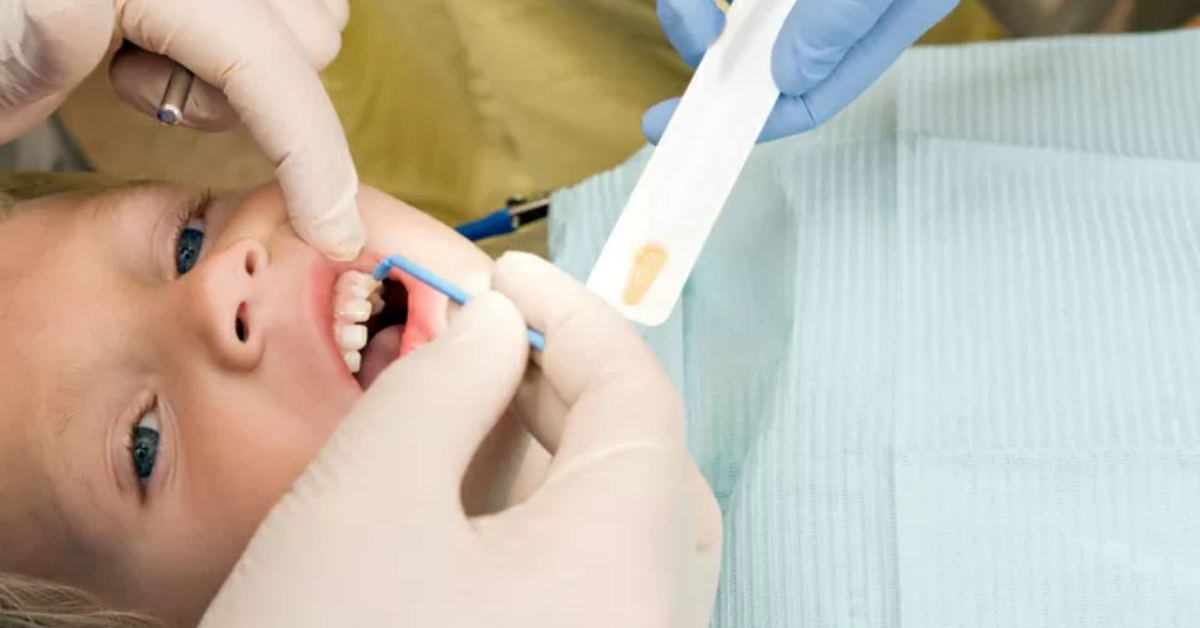
During a professional fluoride treatment, concentrated fluoride is applied directly to the teeth after cleaning. This allows maximum absorption into enamel. The procedure is quick, painless, and highly effective, offering immediate reinforcement. In terms of Dental Health, this treatment provides an extra layer of protection beyond toothpaste, particularly for vulnerable tooth surfaces.
Patients with frequent cavities, orthodontic appliances, or gum recession benefit greatly from fluoride treatment. These conditions increase plaque retention and acid exposure. Fluoride strengthens weakened areas, reduces sensitivity, and slows decay progression. For high-risk individuals, professional fluoride is a preventive tool that significantly improves long-term oral outcomes.
The frequency of fluoride treatment depends on individual risk factors such as diet, oral hygiene, and medical conditions. Some patients require treatments every six months, while others may benefit more frequently. Dentists tailor recommendations to ensure optimal protection without unnecessary exposure, reinforcing fluoride’s role as a personalized preventive measure.
Childhood is a critical period for establishing strong teeth. Fluoride supports proper enamel development and reduces early decay, which can impact lifelong oral health. This section focuses on fluoride’s role during growth.
As teeth develop, they are especially vulnerable to decay. Fluoride strengthens enamel as it forms, making teeth more resistant once they erupt. In Dental Health, this early reinforcement is vital because it sets the foundation for durable adult teeth. Adequate fluoride exposure during development significantly lowers cavity risk later in life.
The benefits of fluoride are particularly evident in children, where it dramatically reduces cavity rates. Fewer cavities mean less discomfort, fewer missed school days, and better nutrition. Preventing decay early also reduces anxiety around dental care, promoting healthier habits that persist into adulthood.
Safe fluoride use at home involves age-appropriate toothpaste and supervision. Small, controlled amounts provide protection without risk. When used correctly, Fluoride for teeth supports healthy development while maintaining safety, making it a trusted component of pediatric dental care.
Fluoride continues to play a vital role well beyond childhood, supporting oral health throughout adulthood and the aging process. As people grow older, enamel naturally wears down, gums may recede, and saliva production can decrease, all of which increase the risk of tooth decay. Consistent fluoride exposure helps counter these changes by strengthening remaining enamel and protecting exposed areas. For adults and seniors, fluoride is an essential preventive tool for maintaining comfort, function, and long-term dental stability.
Adults experience gradual enamel wear due to dietary acids, stress-related habits, and lifestyle factors such as coffee or alcohol consumption. Professional fluoride treatment helps reinforce weakened enamel and improves resistance to daily acid attacks. In preventive Dental Health, fluoride allows adults to maintain stronger teeth, reduces sensitivity, and lowers cavity risk. This proactive protection often prevents the need for complex restorative procedures, helping preserve natural teeth and maintain oral comfort as responsibilities and age increase.
As people age, gum recession commonly exposes tooth roots, which are more vulnerable to decay than enamel-covered surfaces. The benefits of fluoride include strengthening these exposed areas and reducing discomfort caused by sensitivity. Fluoride helps slow root decay, supports gum health, and preserves natural teeth longer. For seniors, this protection improves chewing ability, speech, and overall quality of life, reducing reliance on extensive dental treatments or tooth replacement options.
Dry mouth is a frequent concern among seniors and individuals taking long-term medications, significantly increasing cavity risk. Reduced saliva limits the mouth’s natural cleansing and buffering ability. Fluoride compensates by strengthening enamel and inhibiting bacterial activity that causes decay. In patients with dry mouth, regular fluoride use becomes a critical preventive strategy, protecting exposed roots, reducing decay progression, and helping maintain oral health despite compromised saliva flow.
Fluoride remains one of the most effective tools in modern Dental Health. From strengthening enamel to preventing cavities at every age, Fluoride for teeth provides proven, long-term protection. Its continued use reflects decades of research and real-world success. When applied appropriately, fluoride supports healthier smiles, fewer dental problems, and improved quality of life.
1. Is fluoride necessary if I maintain good oral hygiene?
Yes, fluoride enhances brushing and flossing by strengthening enamel and preventing decay.
2. Can adults still benefit from fluoride treatment?
Absolutely. Fluoride treatment helps protect aging enamel and exposed roots.
3. Are the benefits of fluoride scientifically proven?
Yes, extensive research supports the benefits of fluoride in reducing cavities.
Book your appointment online or call our team directly.