

Managing a high-risk pregnancy requires mindful nutrition choices that support both maternal health and fetal development.

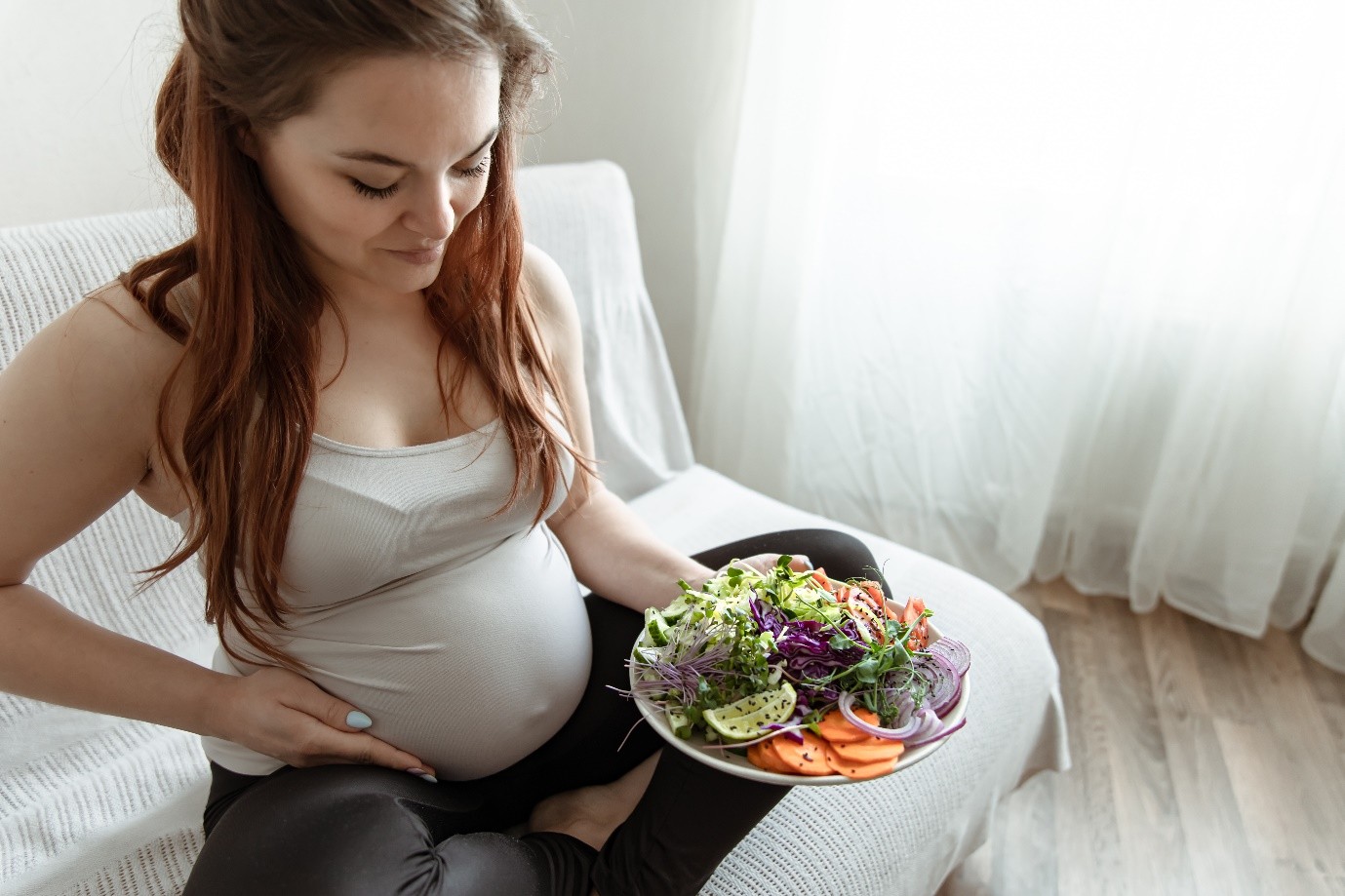
To guarantee the safety of both mother and child, a pregnancy deemed high-risk necessitates additional care, attention, and medical assistance. Though elements like maternal age, prior health issues, multiple pregnancies, and complications during pregnancy heighten risk, proper nutrition is among the most effective means of promoting maternal health and favorable pregnancy outcomes.
Consuming appropriate foods can assist in blood sugar stabilization, blood pressure management, inflammation reduction, promotion of healthy fetal development, and prevention of nutritional deficiencies that may exacerbate complications related to pregnancy. This blog delves into crucial nutritional advice for women facing high-risk pregnancies, providing guidance that can be safely and effectively implemented under the supervision of a healthcare provider.
A pregnancy might be deemed high risk based on a range of medical, physiological, or lifestyle factors, such as:
In numerous such situations, nutrition is vital for managing symptoms, lowering the risk of complications, and aiding fetal development.
Women experiencing high-risk pregnancies require a diet abundant in:
A well-balanced plate includes:
This framework helps sustain consistent blood sugar, bolsters energy levels, and enhances fetal development.
When dealing with gestational diabetes or insulin resistance, it is crucial to consider the quality of carbohydrates and the size of portions.
Tips for Healthy Carb Management:
Smart Carb Options:
Effective management of carbohydrates aids in keeping blood glucose levels stable and minimizing delivery complications.
Adequate protein supports:
Aim for 75–100 grams of protein per day, depending on medical advice.
High-Quality Protein Sources:
If you have kidney problems or preeclampsia, your protein requirements might differ—speak with your doctor before making any changes to your consumption.
Omega-3 fatty acids support:
Omega-3 Rich Foods:
Stay away from trans fats and highly processed fried foods, as they can elevate inflammation, blood pressure, and arterial stress.
Anemia is common in high-risk pregnancies and can lead to:
Iron-Rich Foods:
Boost absorption by combining these foods with vitamin C sources such as oranges, amla, lemons, and strawberries.
As tea and coffee hinder iron absorption, do not drink them during meals.
Consuming too much salt can lead to water retention and high blood pressure.
Tips:
Women suffering from preeclampsia should adhere to strict medical guidance concerning their sodium consumption.
Water helps:
Aim for 8–12 cups of fluids daily, including:
Avoid sugary drinks, soft drinks, and packaged juices.
Calcium aids in developing fetal bones, whereas vitamin D boosts calcium uptake and fortifies the immune system.
Sources of Calcium:
Sources of Vitamin D:
Women who have thyroid disorders ought to adhere to medical advice regarding the use of supplements.
Fiber helps manage:
High-Fiber Choices:
Aim for 25–30 grams of fiber daily.
This helps manage:
Ideal pattern:
3 balanced meals + 2–3 nutritious snacks
Healthy snack ideas:
High-risk pregnancy requires strict avoidance of:
Limit caffeine to 200 mg/day (about one cup of coffee).
Every high-risk condition demands customised nutritional support. A prenatal dietitian can help create:
To reduce risks and promote the healthiest pregnancy possible, this tailored approach is vital.
Morning
Warm lemon water
Vegetable poha / oats upma / boiled eggs
Breakfast
Multigrain roti + paneer bhurji
OR Greek yogurt + nuts + fruit
Mid-Morning Snack
Coconut water
One fruit (low GI if diabetic)
Lunch
1–2 whole wheat rotis or a cup of brown rice
Dal or lean protein
A bowl of vegetables
Salad
Evening Snack
Roasted chana
Sprout salad
Or buttermilk
Dinner
Light meal with protein and veggies
Soups, khichdi, or grilled fish/chicken
Before Bed
Warm milk with a pinch of turmeric (if tolerated)
Although a high-risk pregnancy can be daunting, proper nutrition can significantly contribute to making the experience safer and healthier. Women can greatly diminish the risk of complications and encourage ideal fetal development by selecting appropriate foods, controlling portion sizes, ensuring adequate hydration, and adhering to medical recommendations. Medically supervised, individualized dietary choices can significantly impact pregnancy outcomes. Always collaborate with your healthcare provider and a prenatal nutritionist to create a plan customized for your individual needs.
Dr L H Hiranandani Hospital offers thorough care for high-risk pregnancies through a multidisciplinary team that includes obstetricians, specialists in maternal-fetal medicine, dietitians, and neonatal experts. We provide the safest environment for both mother and baby through advanced diagnostic facilities, personalized nutritional guidance, and continuous monitoring. Select Dr L H Hiranandani Hospital for reliable, expert-driven maternity care with compassion.
Q. What foods should be avoided during a high-risk pregnancy?
Avoid raw or undercooked foods, unpasteurised dairy, high-mercury fish, excessive caffeine, and processed high-salt snacks.
Q. How often should I eat if I have gestational diabetes?
Eat small, balanced meals every 2–3 hours to maintain stable blood sugar levels.
Q. Can diet alone manage high-risk pregnancy conditions?
Diet helps significantly, but high-risk pregnancies require medical supervision, medications (if prescribed), and regular monitoring.
Book your appointment online or call our team directly.