

Proven ways to prevent common sports injuries revolve around building strength, improving flexibility, maintaining proper technique, and prioritizing recovery.

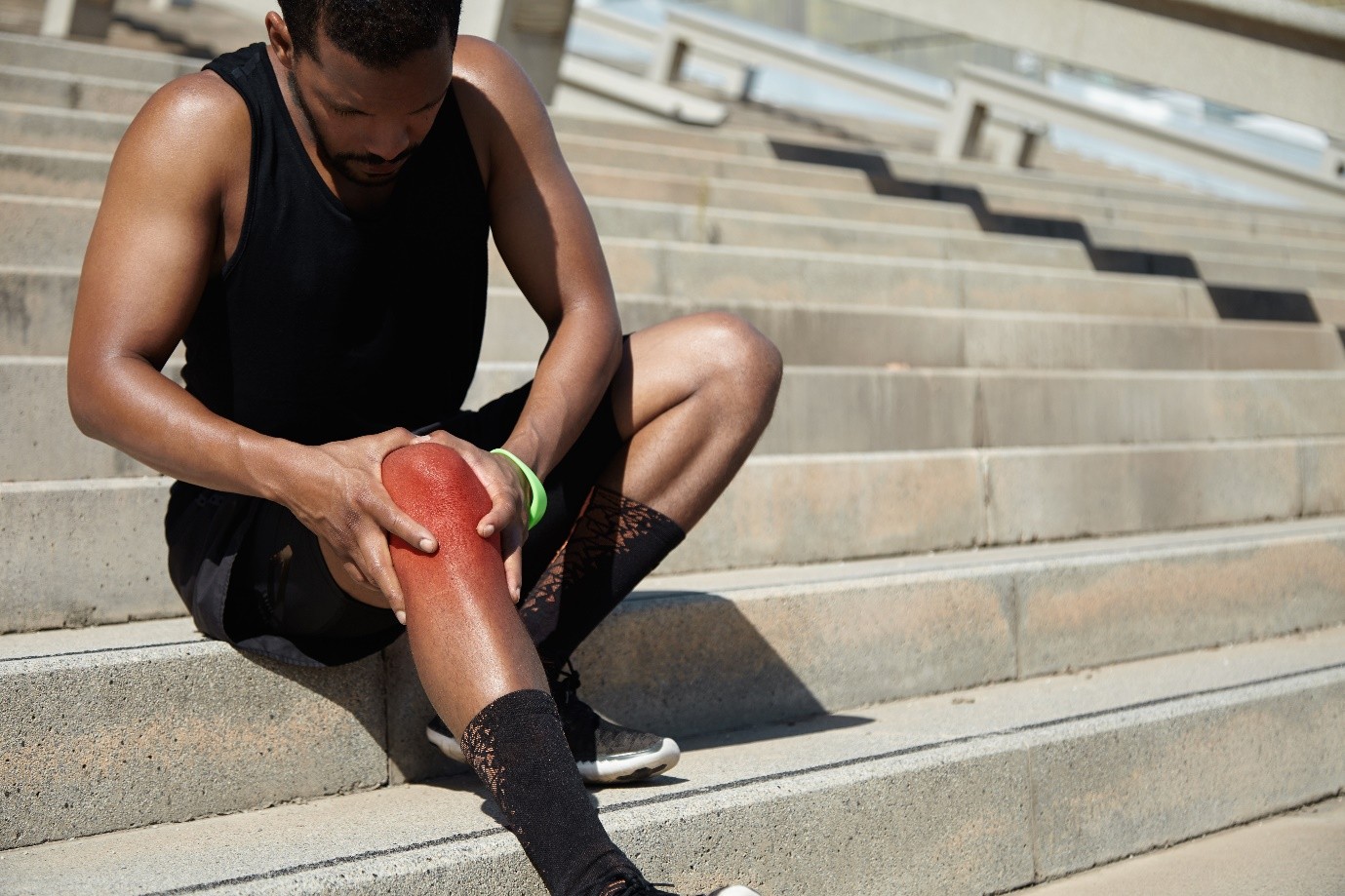
No matter if you are a professional athlete or a weekend warrior in the gym, sports injuries are a frequent yet avoidable challenge. Sprains, strains, tendonitis, shin splints, and fractures are among the injuries that can set back your progress, affect your performance, and potentially result in long-term complications if not addressed. The positive aspect is that with appropriate preparation, awareness, and recovery strategies, the majority of sports injuries can be prevented.
This all-encompassing resource details the strategies that best prevent typical sports injuries, helping you remain active and consistent without injury.
Prior to exploring prevention, understanding the reasons behind injuries is essential. The most frequent causes consist of:
Without preparing your muscles and cardiovascular system, jumping straight into intense activity increases the risk of strains, pulled muscles, and joint injuries.
Training too often, too hard, or without sufficient recovery stresses muscles, tendons, bones, and joints. Exhaustion affects balance and reaction time as well.
Subpar technique—be it in running, weight training, or sports activities—subjects the body to undue strain, with particular impact on the joints and spine.
Injuries that could have been prevented may occur due to worn-out or inappropriate footwear, absence of protective gear, or the use of equipment that doesn’t match your body type.
When muscles are tight or weak, they cannot adequately support and safeguard the joints. This results in imbalances and an increased risk of injury.
The musculoskeletal system is often overwhelmed by a rapid increase in duration, speed, or weight.
Grasping these underlying reasons establishes a basis for more intelligent and secure training methods.
A suitable warm-up boosts blood circulation, lubricates the joints, activates muscles, and gets the body ready for exertion.
A good warm-up includes:
One of the main causes of avoidable injuries such as hamstring pulls, muscle tears, and sprains is skipping warm-ups.
A gradual cooldown lowers the heart rate and relaxes muscles, alleviating soreness and stiffness.
Effective cool-down habits:
Regular cool-downs can avert muscle tightness that frequently results in chronic problems such as shin splints or tendonitis.
Strong, stable muscles help protect the joints and maintain proper form.
Include strength training 2–3 times per week focusing on:
Don’t forget balance and stability exercises:
Having balanced strength helps to avert imbalances that can frequently cause injuries to the knee, ankle, and hip.
Muscles that are too tense restrict mobility and increase strain on the joints.
Incorporate:
A mere 10 minutes of activity each day can greatly lower the chances of sprains and strains.
It is more important to have good technique than to have high intensity. No matter if you’re swinging a bat, performing a deadlift, or sprinting, correct mechanics safeguard your joints and muscles.
How to ensure good technique:
Correct technique is one of the strongest weapons against injury.
The equipment you use has a direct effect on performance and safety.
Make sure you:
Well-fitting equipment reduces strain and facilitates proper movement.
Having more is not necessarily superior. Chronic injuries are often caused by training without sufficient rest.
Prevent overtraining by:
Rest is part of the training process—not a break from it.
Muscle strength and endurance are diminished by dehydration, which also increases the likelihood of ligament tears.
Stay protected by:
Good nutrition aids in muscle repair, maintains joint health, and enhances overall performance.
Daily repetition of the same movement pattern—such as running or swimming—can put excessive strain on particular muscles or joints.
Cross-training ideas:
Mixing workouts prevents repetitive strain injuries.
Ignoring pain is one of the biggest mistakes athletes make.
Pain is your body’s alert system.
Stop immediately if you experience:
Seek medical guidance early to avoid long-term damage.
Regular examinations assist in recognizing vulnerabilities, discrepancies, or concealed problems prior to their escalation into injuries.
Assessments can include:
When injuries are detected early, they can be prevented more effectively, and performance can be enhanced.
Resulting from the overstretching or tearing of muscles and ligaments.
Prevention: Ensure proper warm-up, fortify supporting muscles, and steer clear of sudden explosive movements without prior preparation.
Tendon inflammation caused by repeated movements.
Preventive measures: slow advancement, proper technique, sufficient recovery time, exercises for maintaining mobility.
Pain in the shin area, frequently resulting from running on hard ground.
Preventive measures: Suitable footwear, gentle running surfaces, gradual training increase, calf-stretching exercises.
Pain near the kneecap resulting from overuse or misalignment.
Prevention: Strengthening the hip and thigh, wearing proper shoes, and avoiding running downhill.
Common in overhead sports like tennis or swimming.
Prevention: Strengthening the shoulder, mobility workouts, steering clear of overload.
Preventing sports injuries doesn’t mean avoiding challenges; it means training wisely. By incorporating adequate warm-ups, honing your technique, engaging in strength training, allowing for recovery, and maintaining awareness, you can greatly diminish your injury risk and confidently keep enjoying the sports you love.
Dr L H Hiranandani Hospital in Powai provides world-class sports medicine, physiotherapy, and orthopaedic services for specialized care, precise diagnosis, and expert management of sports injuries. The hospital guarantees athletes and fitness enthusiasts comprehensive care for a quick and safe recovery through advanced diagnostic tools, personalized rehabilitation programs, and highly experienced specialists.
Q. What is the easiest way to prevent sports injuries?
A proper warm-up combined with good technique and gradual training progression is the simplest and most effective way.
Q. How much rest should athletes take?
At least 1–2 rest days per week, with additional downtime if the body feels overly fatigued or sore.
Q. When should I see a doctor for a sports injury?
If pain is sharp, persistent, causes swelling, or limits movement, consult a sports medicine specialist immediately.
Book your appointment online or call our team directly.