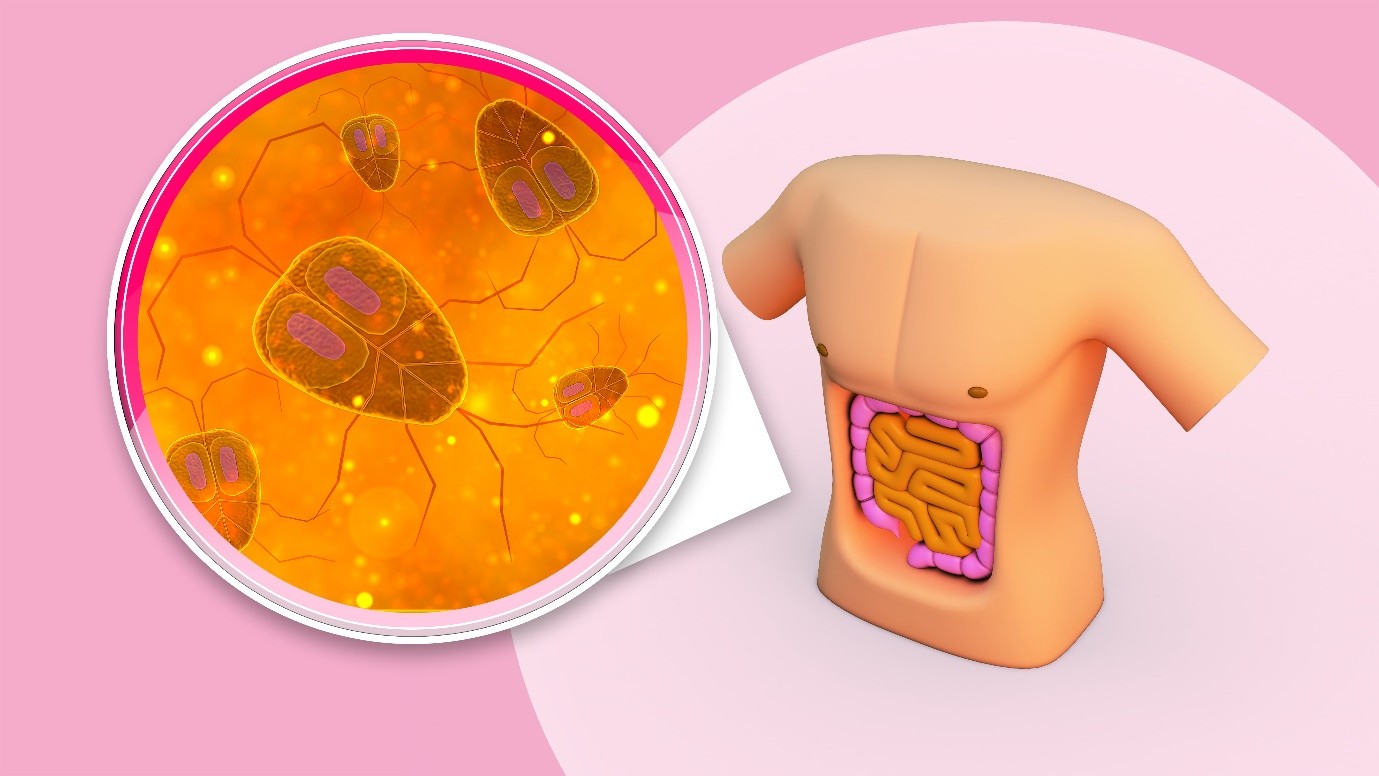
Overall wellness is built on a healthy gut. Your gut microbiome is vital to your body’s daily functioning, influencing everything from immunity and digestion to metabolism and mental health. The gut microbiome encompasses the trillions of microorganisms, including bacteria, fungi, viruses, and other microbes, residing in your digestive system. Your body thrives when these microbes are balanced and diverse. However, when they are disrupted, it may result in problems like bloating, constipation, inflammation, weakened immunity, skin issues, mood fluctuations, and potentially chronic illnesses.
Given today’s fast-paced lifestyle, which is characterized by processed foods, stress, irregular sleep patterns, and environmental toxins, it is more important than ever to maintain a healthy gut microbiome. In this blog, the factors that affect your gut health are examined, and practical strategies for fostering and sustaining a flourishing gut ecosystem—based on scientific evidence—are provided.
Your gut microbiome develops early in life and evolves based on factors such as diet, lifestyle, environment, medications, and overall health. The microbial composition of each individual is unique, akin to a fingerprint. However, certain traits—like high diversity, the presence of beneficial bacteria, and low levels of inflammatory microbes—signal good gut health.
A healthy microbiome contributes to:
The good news? Your daily habits give you considerable control over your gut health.
Listed below are strategies backed by evidence that nurture, safeguard, and fortify your gut microbiome.
The main fuel for beneficial gut bacteria is dietary fiber. These undigested fibers reach the colon, where they are fermented into short-chain fatty acids (SCFAs), particularly butyrate, which promotes colon health and diminishes inflammation.
Best fiber-rich foods for gut health:
To keep gut motility and microbial balance healthy, aim for a daily fiber intake of 25 to 35 grams.
Probiotics, which are beneficial live bacteria, help to enhance microbial diversity and restore balance in the gut.
Top probiotic-rich foods include:
Probiotics can aid in better digestion, decrease bloating, strengthen immunity, and promote mental wellness.
Prebiotics are unique kinds of fiber that nourish the beneficial bacteria you already have.
Common prebiotic foods:
Including both probiotics and prebiotics in your diet produces a synbiotic effect, enhancing the gut microbiome more effectively.
A diet rich in sugar, trans fats, additives, and processed foods fosters the development of harmful bacteria and compromises the gut barrier.
These foods exacerbate inflammation, decelerate digestion, and diminish microbial diversity.
Limit:
Instead, opt for whole foods that naturally support gut health.
Water assists in the preservation of the intestines' mucosal lining and fosters the development of helpful microbes.
Proper hydration:
Try to drink 7–8 glasses of water daily, or more based on your activity level and the climate.
One of the main adversaries of gut health is stress. The gut-brain axis links the gut and brain, which means that emotional stress can have a direct effect on digestion and microbial balance.
Chronic stress can lead to:
Stress-management practices that help:
Even just 10 minutes of daily relaxation can have a beneficial impact on your gut.
Inadequate sleep disturbs the microbial equilibrium and heightens cravings for junk food.
Aim for:
A body that is rested contributes to a calmer digestive system and a healthier microbiome.
Physical activity encourages microbial diversity, reduces inflammation, and boosts gut motility.
Best forms of exercise for gut health:
Just 30 minutes daily can have a major positive effect on gut function.
Although antibiotics save lives, their overuse kills off both good and bad bacteria.
This can lead to:
Take antibiotics only when prescribed and never self-medicate.
After taking antibiotics, concentrate on probiotics and prebiotic-rich foods to help restore gut health.
Alcohol in excess disturbs the gut microbiome, causes irritation of the intestinal lining, and plays a role in inflammation.
Moderation is key:
Balance alcohol intake with plenty of water and nutrient-rich foods.
Probiotics and enzymes that aid digestion are naturally present in fermented foods.
Indian fermented foods to include:
These foods regularly introduce beneficial microbes into your body.
Polyphenols, which are compounds found in plants, serve as antioxidants and foster the development of beneficial gut bacteria.
Polyphenol-rich foods include:
These foods contribute to a reduction in inflammation and promote microbial diversity.
The mouth is where digestion starts. Chewing food properly facilitates its breakdown, makes digestion easier, and promotes enhanced nutrient extraction.
Eating slowly helps to reduce the tendency to overeat and enhances gut comfort.
Understanding when your gut needs attention is important.
Common symptoms include:
If you experience persistent symptoms, it may be time to reassess your lifestyle or consult a specialist.
When your gut is thriving, it reflects in every part of your life.
Key benefits include:
Small, consistent changes lead to long-lasting improvements.
Your gut microbiome is among the most influential systems that contribute to your overall health. It can be maintained with conscious and consistent choices, rather than major changes. You can foster a gut environment conducive to beneficial microbes by increasing your fiber intake, incorporating probiotics, cutting back on processed foods, maintaining physical activity, and controlling stress.
A healthy gut contributes to your overall health—physically, mentally, and emotionally. Take one tiny step today, and follow your instincts toward improved health.
At Dr. L. H. Hiranandani Hospital, maintaining digestive health is characterized by accuracy, empathy, and sophisticated medical know-how. The Department of Gastroenterology at the hospital has advanced diagnostic tools and is headed by specialists with extensive experience who are dedicated to enhancing gut health. No matter if you are facing chronic digestive problems, an imbalance in your microbiome, or are in search of preventive care, the team offers tailored treatment, precise assessment, and comprehensive advice for enduring healing. Count on Dr. L. H. Hiranandani Hospital for thorough, patient-focused digestive health services.
Q. How long does it take to improve gut health?
Most people begin noticing improvements within 2–4 weeks of dietary and lifestyle changes, though full microbiome restoration may take a few months.
Q. Can supplements replace probiotic foods?
Supplements help but cannot match the diversity of naturally fermented foods. It’s best to use them as an addition, not a replacement.
What is the biggest enemy of a healthy gut?
Chronic stress, poor sleep, processed foods, and overuse of antibiotics are the most damaging factors for gut microbial balance.
Book your appointment online or call our team directly.