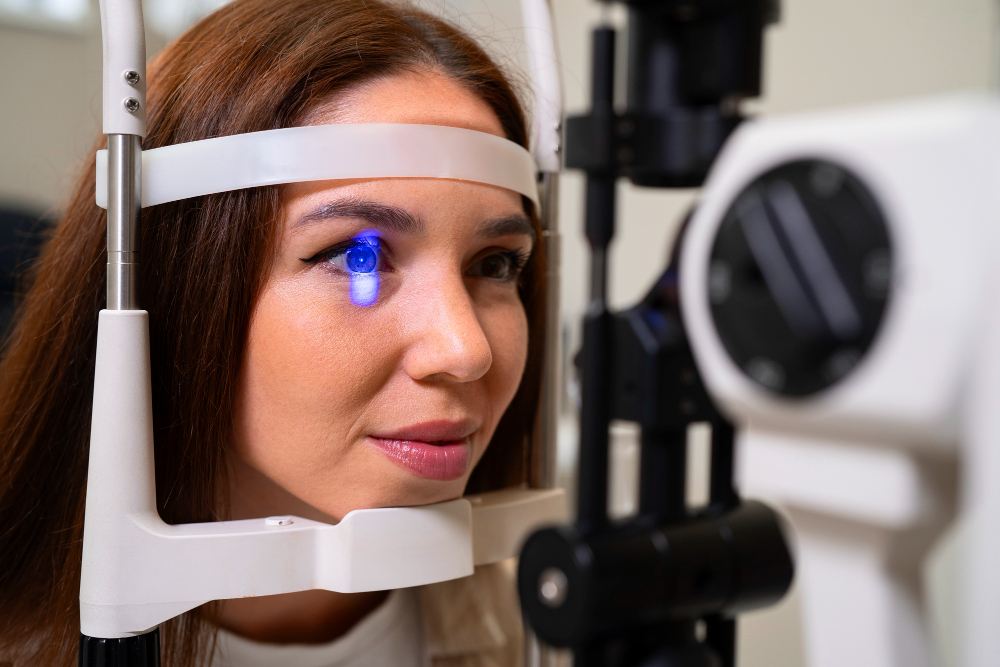
Cataracts are one of the leading causes of vision loss, especially in older adults, and they can significantly impact daily life if left untreated. The good news is that cataract surgery has evolved into a safe, effective, and widely accessible procedure that restores clarity and improves overall eye function. By replacing the cloudy natural lens with an artificial one, eye surgery for cataracts helps people regain independence and confidence. Understanding how the condition develops and how surgery works allows individuals to make informed decisions about their eye health.
Cataracts develop gradually, often without noticeable symptoms in the early stages, making awareness essential for timely treatment. As the lens becomes cloudy, vision clarity decreases, affecting everyday activities like reading and driving. Recognizing symptoms early helps prevent complications and ensures better outcomes through cataract surgery.
Cataracts form when proteins in the eye lens begin to break down and clump together, leading to cloudiness that interferes with light passing through the eye. Aging is the most common cause, but factors like diabetes, smoking, and prolonged sun exposure also contribute significantly. As the condition progresses, individuals may notice blurred vision, faded colors, and increased glare sensitivity. These changes can make simple tasks like reading or driving more difficult. Over time, this affects independence and quality of life, making early detection important.
Early symptoms of cataracts often include blurry vision, halos around lights, difficulty seeing at night, and frequent changes in eyeglass prescriptions. These signs may appear mild at first but gradually worsen, making it harder to ignore them. Seeking medical advice early helps diagnose the condition before it becomes severe. Eye specialists can assess the progression and recommend appropriate treatment options. Timely intervention ensures better outcomes and reduces the need for more complex procedures later.
If cataracts are left untreated, they can lead to significant vision impairment and even blindness in extreme cases. The cloudiness in the lens continues to increase, blocking more light from reaching the retina. This affects depth perception and increases the risk of falls and accidents, especially in older adults. Over time, untreated cataracts can also cause eye strain and headaches. Addressing the condition early through eye surgery for cataracts helps prevent these complications and preserves long-term vision.
Cataract surgery is a straightforward procedure designed to remove the cloudy lens and replace it with a clear artificial one. It is performed using advanced technology, ensuring precision and safety. The procedure is quick, minimally invasive, and typically completed within a day, allowing patients to return home shortly after treatment.
There are different methods used in eye surgery for cataracts, depending on the severity of the condition and patient needs. Phacoemulsification is the most common technique, where ultrasound waves break the cloudy lens into smaller pieces for removal. Another method, extracapsular surgery, is used for more advanced cases and involves removing the lens in one piece. Laser-assisted surgery is also gaining popularity due to its precision and faster recovery. Each method is effective and tailored to individual conditions.
The procedure begins with numbing the eye using local anesthesia to ensure a painless experience. A small incision is made in the cornea, and a probe is inserted to break the cloudy lens using ultrasound waves. The fragments are then removed carefully, making space for the artificial lens. Once inserted, the new lens restores the eye’s ability to focus light properly. The incision heals naturally without stitches, and patients are usually discharged on the same day.
Advancements in medical technology have significantly improved the safety and effectiveness of cataract surgery. Modern imaging systems allow surgeons to perform procedures with greater accuracy, reducing risks and improving results. Laser-assisted techniques provide better precision and faster healing times. Additionally, advanced intraocular lenses can correct multiple vision problems, reducing dependence on glasses. These innovations have made the procedure more reliable and accessible, ensuring better outcomes for patients.
The benefits of cataract surgery go beyond restoring vision, as it enhances overall quality of life and independence. Patients often experience clearer vision, improved color perception, and better contrast sensitivity. These improvements make everyday tasks easier and more enjoyable, allowing individuals to regain confidence.
One of the major cataract surgery benefits is its long-term effectiveness in preventing vision deterioration. By removing the cloudy lens, the procedure eliminates the root cause of visual impairment. This helps maintain eye health and reduces the risk of complications associated with poor vision. Patients often feel more confident and independent after the surgery. Improved eyesight also contributes to better mental well-being and overall quality of life.
Although it is a medical procedure, cataract surgery restores the eye’s natural ability to focus light effectively. The artificial lens replaces the cloudy one, allowing clearer and sharper vision. This creates a sense of natural improvement, as the eye can process visual information more efficiently. Many patients notice brighter colors and sharper details after the procedure. This improvement reduces reliance on glasses and enhances daily activities significantly.
Restoring vision has a profound impact on daily life, enabling individuals to perform tasks with ease and confidence. Activities like reading, driving, and socializing become more enjoyable without the limitations of poor vision. Improved eyesight also enhances safety by reducing the risk of accidents. This is especially important for older adults who rely on clear vision for mobility. Overall, cataract surgery contributes to a more active and fulfilling lifestyle.
While cataract surgery is considered safe, understanding potential risks and recovery expectations is important. Most patients experience minimal discomfort and recover quickly, but following medical advice ensures optimal results. Proper care during recovery plays a key role in achieving long-term success.
Although rare, some risks are associated with eye surgery for cataracts, including infection, swelling, or temporary vision disturbances. Most complications are mild and manageable with proper treatment. In very rare cases, more serious issues like retinal detachment may occur. Regular follow-up visits help detect and address any problems early. Choosing an experienced surgeon significantly reduces the likelihood of complications.
Recovery from cataract surgery is usually quick, with most patients noticing improved vision within a few days. However, complete healing may take a few weeks, during which proper care is essential. Patients are advised to avoid rubbing their eyes and to use prescribed medications regularly. Wearing protective eyewear and avoiding strenuous activities also help in faster recovery. Following these guidelines ensures better results and prevents complications.
During the healing phase, patients may experience mild discomfort, sensitivity to light, or slight blurriness, which gradually improves over time. Vision stabilizes within a few weeks, allowing individuals to resume normal activities. Regular check-ups ensure that the eye is healing properly. It is important to follow the doctor’s instructions carefully to avoid complications. With proper care, most patients achieve excellent visual outcomes.
The cost and accessibility of cataract surgery vary depending on location, medical facilities, and the type of lens used. However, advancements in technology have made the procedure more widely available and efficient. Understanding these factors helps patients make informed decisions about their treatment.
The cost of eye surgery for cataracts depends on several factors, including the type of procedure, the surgeon’s expertise, and the choice of intraocular lens. Basic procedures are often affordable and may be covered by insurance plans. However, advanced lenses and premium services can increase the overall cost. Patients should consult their healthcare provider to understand coverage options and plan accordingly.
Modern technology has revolutionized cataract surgery, making it more precise and effective. Laser-assisted procedures offer greater accuracy and faster recovery times. Advanced intraocular lenses can correct multiple vision issues, reducing the need for glasses. These innovations have improved patient outcomes and made the procedure more accessible. As technology continues to evolve, cataract surgery is becoming even safer and more efficient.
Cataract treatment has become more accessible worldwide, with many healthcare facilities offering specialized eye care services. Government programs and non-profit organizations also provide support for those who cannot afford surgery. Increased awareness and improved infrastructure have made it easier for individuals to seek treatment. This ensures that more people can benefit from vision restoration and improved quality of life.
Related: Understanding Common Eye Conditions and Their Treatments
Cataract surgery is a life-changing procedure that restores vision and improves overall quality of life. By addressing the root cause of vision impairment, it provides a long-term solution that goes beyond temporary fixes. With advancements in technology and high success rates, the procedure has become safer and more effective than ever before. Taking timely action ensures better outcomes and helps individuals regain clarity, independence, and confidence in their daily lives.
No, it is performed under anesthesia, making it painless.
It usually takes 20 to 30 minutes.
No, the artificial lens does not develop cataracts.
Book your appointment online or call our team directly.