Children are especially vulnerable to rashes, allergies, and infections because of their sensitive and developing skin. Parents may experience discomfort, irritation, and worry due to these illnesses, which range from minor heat rashes to more severe skin infections. Understanding common skin rashes in children, recognizing early signs, and selecting the best child skin disease treatment can help prevent complications and speed up healing.
The most prevalent pediatric skin conditions, their causes, symptoms, available treatments, and advice on when to be worry about a child's rash will all be covered in this blog. We'll also talk about when professional treatment from a reputable skin hospital or the best skin doctor in Powai becomes crucial.
Compared to adults, children's skin is thinner, more sensitive, and has a poorer protective layer. They are therefore more susceptible to:
In order to prevent long-term problems, early diagnosis and appropriate treatment of skin infections in children are crucial.
Eczema (atopic dermatitis) for dry, itchy skin, diaper rash in babies, cradle cap (infant seborrheic dermatitis) on the scalp, and viral rashes like chickenpox or hand, foot, and mouth disease, which frequently manifest as red spots or blisters, are common skin rashes in children.
Diaper dermatitis, also known as diaper rash, is a common skin inflammation in the diaper area that manifests as red, itchy patches and is frequently caused by moisture, friction, or irritants like urine or excrement.
One of the most common skin conditions among babies is diaper rash.
Proper child skin disease treatment can swiftly alleviate symptoms and avoid additional infections.
Particularly in hot, humid weather, miliaria, also known as prickly heat, is a common skin rash caused by sweat trapped beneath the skin due to blocked sweat ducts, resulting in itchy, prickly, red bumps or tiny blisters.
Sweat duct blockage, particularly in hot and humid regions, causes heat rash.
One of the most well-known common skin rashes in children is heat rash, which often goes away fast with basic treatment.
Often beginning in childhood, eczema, also known as atopic dermatitis, is a chronic (long-term) inflammatory skin illness that causes extremely itchy, red, dry, and cracked skin. It is not communicable but is associated with immune system problems and heredity.
Infants and young children are frequently affected by the chronic illness known as eczema.
Parents frequently look for pediatric skin conditions pictures to compare eczema symptoms, but a professional diagnosis assures accurate treatment.
Children frequently suffer from infectious skin problems, which can be bacterial (such as impetigo, cellulitis), fungal (such as ringworm), viral (such as warts, chickenpox, molluscum contagiosum, Hand, Foot, and Mouth Disease), or parasitic (such as scabies).
Impetigo is a highly contagious bacterial skin infection that frequently affects children. It causes red sores (usually around the mouth, nose, or hands) that rupture, bleed, and create characteristic honey-colored crusts. Bullous impetigo can also manifest as huge blisters.
A extremely contagious bacterial infection called impetigo.
In order to halt the spread, prompt therapy is crucial.
Instead of being a worm, ringworm (tinea) is a contagious fungal infection that causes red, itchy, circular rashes on the skin, scalp (tinea capitis), or nails. It thrives in warm, humid environments and spreads through skin-to-skin contact, pets, or infected objects like towels or locker room floors.
Contrary to its name, ringworm is a fungal infection rather than a worm infection.
Looking at pictures of childhood rashes can help parents detect fungal diseases, but medical confirmation is essential.
The varicella-zoster virus (VZV), which causes chickenpox (varicella), is a highly contagious viral infection that typically lasts four to seven days. It is characterized by an itchy, blister-like rash that scabs over and is frequently preceded by fever, headache, and exhaustion.
A viral infection that primarily affects young children is chickenpox.
Although the number of instances has decreased due to vaccination, the illness is still recognized in children.
Children's skin allergies typically manifest as eczema (itchy, dry patches) or contact dermatitis (rash from irritants like soap), but they can also be hives (welts) from food, pollen, or infections. These conditions typically cause red, itchy skin, sometimes with bumps or swelling, and call for gentle skincare, avoidance of triggers, and occasionally antihistamines or hydrocortisone, with urgent care for breathing problems or severe swelling.
Direct contact with an irritant or allergen can cause contact dermatitis, a skin inflammation that usually affects a specific area and causes an itchy, red rash with blisters.
When the skin reacts to allergens or irritants, contact dermatitis develops.
Diagnosis is crucial because this illness is frequently mistaken for other common skin rashes in children.
A child's rash should be taken seriously if it is accompanied by a high temperature, trouble breathing or swallowing, disorientation, stiff neck, or lethargy, or if it appears as bruises or bleeding beneath the skin that doesn't go away when pressed, blisters, oozes, affects the eyes, mouth, or nose, or exhibits symptoms of infection like pus.
Some rashes need immediate medical attention, but many are benign.
Understanding when to be worry about a child's rash can help avoid major issues and guarantee prompt medical attention.
Early diagnosis using clinical examination and pediatric skin conditions pictures assists clinicians in distinguishing between infections, allergies, and chronic disorders. Consulting with the best skin doctor in powai ensures:
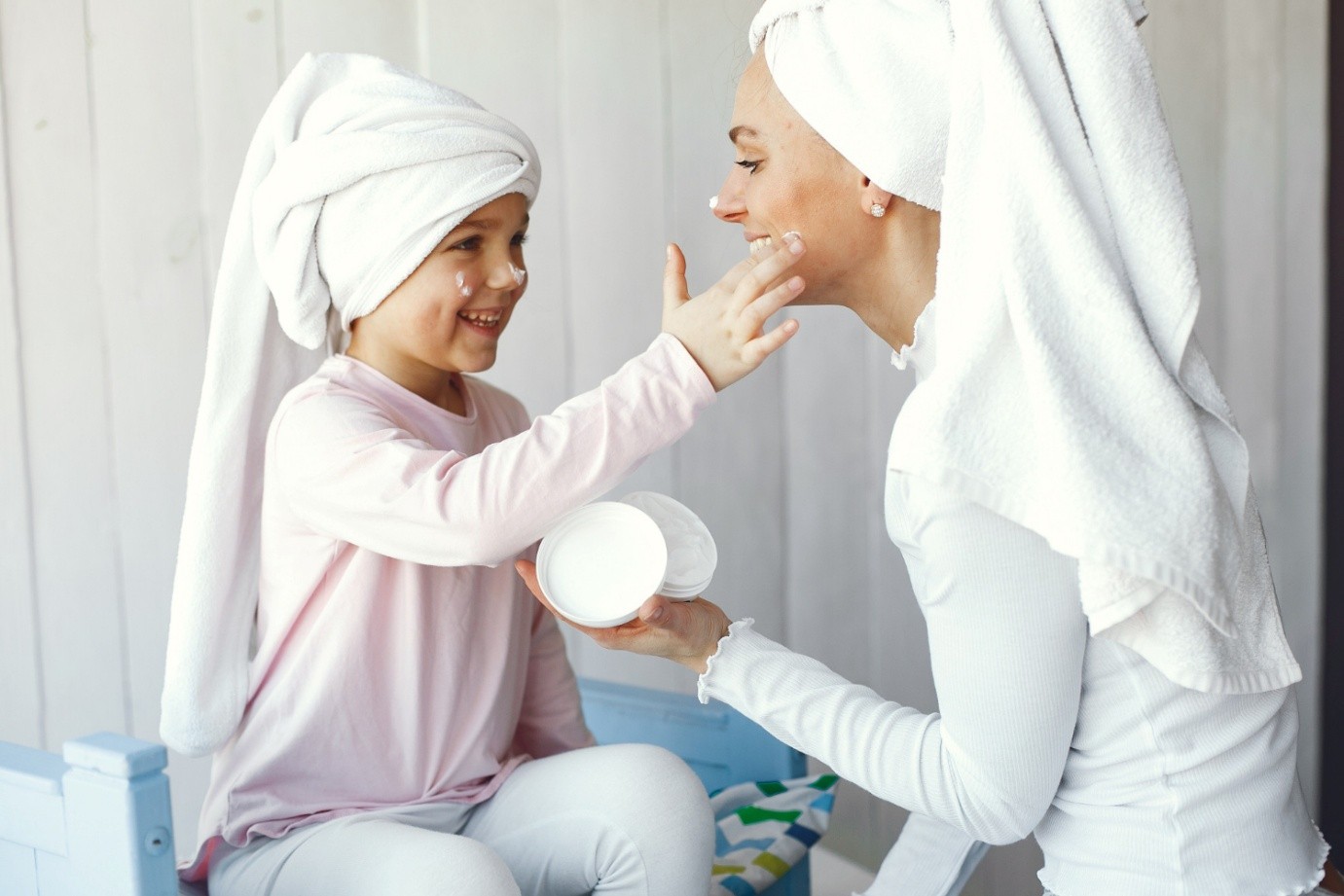
To prevent irritation and dryness, use gentle, fragrance-free products, moisturize after quick, tepid baths two to three times a week, change diapers often during diaper-free time, clothe in breathable cotton, apply sunscreen, and keep them hydrated. Steer clear of harsh chemicals and excessive soap.
Prevention is essential in lowering the need for recurring child skin disease treatment.
Skin disorders in children are prevalent, but they can be treated with prompt diagnosis and appropriate care. Understanding common skin rashes in children, detecting warning symptoms, and getting professional child skin disease treatment can help your child's comfort and skin health in the long run. A reputable skin specialist's professional advice is crucial when in doubt.
1. What are some of the most common skin rashes in children?
Diaper rash, heat rash, eczema, fungal infections, impetigo, and allergy rashes are among the most common skin rashes in children.
2. Are children's skin diseases dangerous?
While some illnesses are harmless, others have a rapid spread. Treatment for skin infections in children must be done correctly to prevent consequences.
3. Where in Powai can I find professional pediatric skin care?
For safe and efficient treatment, speak with the best skin doctor in powai at a reputable best skin clinic in powai.
Book your appointment online or call our team directly.