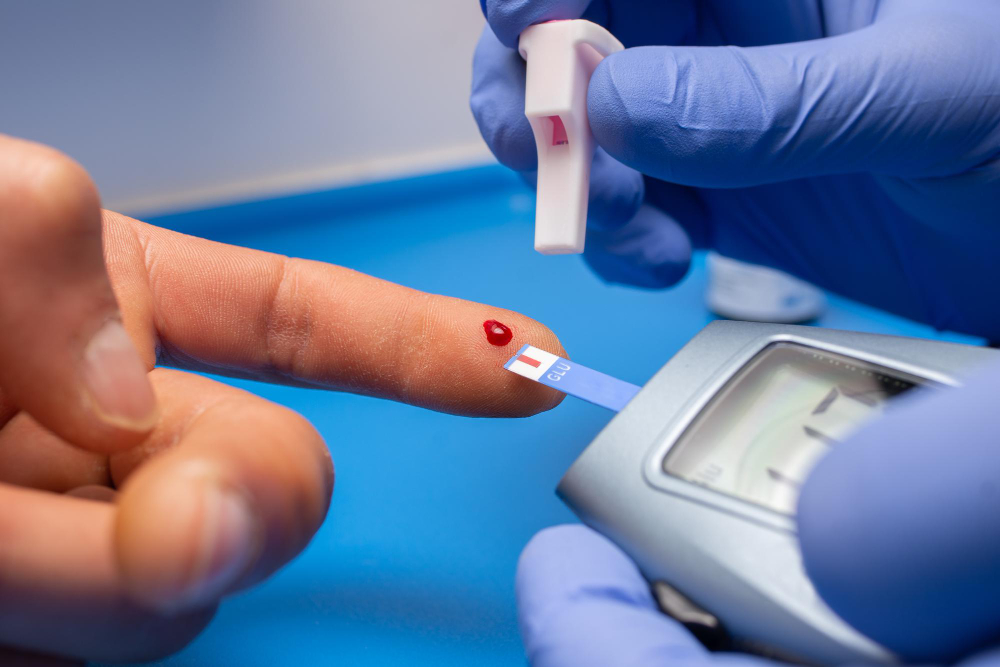
Blood glucose, also known as blood sugar, fluctuates during the day in response to meals, exercise, stress, sleep, medications, and various other influences. As a result, one blood sugar measurement alone may not give a full picture of your health.
In non-pregnant adults, the diagnostic thresholds generally define fasting plasma glucose under 100 mg/dL as normal, 100–125 mg/dL as prediabetes, and 126 mg/dL or above as diabetes, provided it is confirmed in an appropriate manner. On the 2-hour oral glucose tolerance test, a result under 140 mg/dL is regarded as normal, 140–199 mg/dL points to prediabetes, and 200 mg/dL or higher falls within the diabetes range. An HbA1c under 5.7% is regarded as normal, 5.7–6.4% indicates prediabetes, and 6.5% or higher falls within the diabetes range.
Such figures are helpful for screening and diagnosis, yet your own target may differ if you already have diabetes, are pregnant, use glucose-lowering medications, or have another medical condition.
Below is an easy reference chart intended for non-pregnant adults:
|
Test |
Normal Range |
Prediabetes Range |
Diabetes Range |
|
Fasting blood sugar |
Below 100 mg/dL |
100–125 mg/dL |
126 mg/dL or higher |
|
2-hour glucose during OGTT |
Below 140 mg/dL |
140–199 mg/dL |
200 mg/dL or higher |
|
HbA1c |
Below 5.7% |
5.7–6.4% |
6.5% or higher |
|
Random blood sugar |
No single diagnostic “normal” range |
— |
200 mg/dL or higher with classic symptoms can indicate diabetes |
The 2026 Standards of Care from the American Diabetes Association apply the following thresholds when diagnosing diabetes and prediabetes. For individuals who do not have unequivocal hyperglycemia, an abnormal diagnostic result typically needs to be confirmed.
The normal range for blood sugar before food depends on whether you are measuring fasting glucose or glucose right before a meal.
For diabetes screening, fasting refers to consuming no calories for a minimum of eight hours. In a non-pregnant adult, a fasting blood glucose below 100 mg/dL is regarded as normal. A fasting reading between 100 and 125 mg/dL sits in the prediabetes range, whereas 126 mg/dL or higher falls in the diabetes diagnostic range when confirmed by clinical criteria.
Yet before-meal glucose targets for a person already diagnosed with diabetes differ from diagnostic thresholds. Treatment targets ought to be individualised by a healthcare professional.
Certain individuals find that their glucose level in the morning is higher than they anticipated. Hormonal shifts that take place near waking time may lead to greater glucose production by the liver.
Additional factors may involve:
As a result, a single elevated fasting reading should not be taken automatically as a sign of diabetes.
Blood glucose levels rise naturally after a meal, since the carbohydrates in food are digested into glucose and taken up by the bloodstream.
The term “after food sugar level normal range” can be unclear, as what it means exactly hinges on when the blood sample is drawn and whether it comes from a diagnostic oral glucose tolerance test or from routine monitoring at home.
When it comes to diagnosis, the standard 2-hour figure used in a 75-g oral glucose tolerance test (OGTT) is:
These cutoffs apply specifically to the 2-hour OGTT, and not automatically to every blood glucose reading taken two hours after a regular meal.
The frequently searched question of what counts as normal blood sugar 2 hours after eating must be interpreted with care.
When measured during a standard 75-g OGTT, a 2-hour glucose reading below 140 mg/dL is regarded as normal. Yet a reading taken with a home glucometer two hours after a regular meal is not the same as an OGTT result, since the carbohydrate content, portion size and makeup of the meal can differ greatly.
Because of this, a single at-home reading after a meal should not be relied upon alone to diagnose diabetes.
Should your readings consistently come out higher than anticipated, talk them over with a doctor. Depending on your circumstances, a healthcare professional might suggest a laboratory fasting glucose test, HbA1c or an OGTT.
PP blood sugar refers to postprandial blood sugar, which is glucose measured after eating a meal.
The normal range for PP blood sugar varies according to the testing method and the timing of the test. In a diagnostic 2-hour OGTT, a reading below 140 mg/dL is regarded as normal for a non-pregnant adult.
Routine monitoring after meals is a different matter. Individuals with diabetes may be given specific post-meal targets by their healthcare team. These targets are meant for managing diabetes and should not be mistaken for the diagnostic thresholds that determine whether a person has diabetes.
The question “What is the normal sugar level after food for female?” does not have one universal answer just because the person is female.
For adults who are not pregnant, the standard glucose thresholds used for diagnosis generally apply no matter the sex. As a result, a 2-hour OGTT reading under 140 mg/dL is seen as normal, whereas 140–199 mg/dL falls in the prediabetes range and 200 mg/dL or higher falls in the diabetes range.
Pregnancy, however, is a different matter.
Pregnancy calls for specific screening and diagnostic criteria for gestational diabetes. As a result, pregnant women should not rely on the standard non-pregnant blood sugar chart to interpret glucose tests related to pregnancy.
In contrast to a fasting or post-meal glucose test, HbA1c gives an estimate of average blood glucose over roughly the past two to three months.
This test determines the percentage of haemoglobin that has glucose bound to it. Since red blood cells stay in circulation for several weeks, HbA1c gives a wider view than a single glucose reading.
The diagnostic categories that are generally used include:
An HbA1c result ought to be interpreted together with your medical history and other test findings. Some conditions that affect red blood cells or haemoglobin may impact how accurate HbA1c results are.
For a person who has already been diagnosed with diabetes, the HbA1c treatment target might differ. The CDC points out that an HbA1c goal of 7% or below is typical for many individuals with diabetes, though the treating clinician should set each person’s target.
The question “What level of blood sugar is unsafe?” cannot be resolved with a single figure.
Blood glucose that is either very high or very low can be hazardous, especially when symptoms are present as well.
Exceptionally elevated glucose may be linked to severe complications, including diabetic ketoacidosis or hyperosmolar hyperglycemic state. Possible warning signs include:
A random plasma glucose reading of 200 mg/dL or above, together with classic hyperglycemia symptoms, may satisfy a diagnostic criterion for diabetes, yet this does not imply that any reading over 200 mg/dL is necessarily an emergency.
In the same way, blood sugar that is very low can lead to sweating, trembling, hunger, dizziness, confusion and, in serious cases, seizures or unconsciousness.
When a person shows severe symptoms, changed consciousness, difficulty breathing or other indicators of an acute medical emergency, get urgent medical attention instead of depending on an online blood sugar chart.
Blood glucose levels typically go up following a meal.
This increase may be affected by:
Foods that contain carbohydrates get broken down into glucose. Big servings of refined carbohydrates or sugary foods may cause a greater rise in glucose.
Carbohydrates are among the three primary macronutrients, and they break down into glucose to provide fuel for your body and brain.
Meals that include fibre, protein, and healthy fats can influence digestion and glucose absorption in ways that differ from meals loaded with highly refined carbohydrates.
Muscle activity relies on glucose as a source of energy. Regular physical activity can support metabolic health.
Physical activity refers to any movement of the body generated by skeletal muscles that demands energy expenditure.
If the body’s cells react less efficiently to insulin, glucose may stay elevated in the bloodstream for a longer period.
Insulin sensitivity refers to how well your body’s cells respond to the hormone insulin in order to take in glucose (sugar) from your bloodstream for energy.
In Mumbai, as in any city, family history, being overweight, lack of physical activity, eating habits, growing older and other metabolic factors can all play a role in risk.
Long hours at work, desk-based jobs, eating out often, not sleeping enough and getting little exercise can all add to metabolic risk.
Ways to prevent it include:
Having a risk factor does not mean a person will definitely develop diabetes.
Blood glucose levels are constantly changing. As a result, judging your health from just one number may not reflect your overall glucose pattern.
For instance, your glucose may briefly increase after:
In the same way, a normal result on a given day doesn’t automatically exclude diabetes or prediabetes.
This is why healthcare professionals might rely on a mix of fasting glucose, HbA1c and, when suitable, an oral glucose tolerance test. The ADA points out that these tests assess different facets of glucose metabolism and may not always detect the exact same individuals.
If you have risk factors, symptoms, or past results showing abnormal glucose levels, it may be worth talking with a healthcare professional about diabetes screening.
Typical signs of elevated blood sugar may include:
That said, type 2 diabetes can appear with few or no clear symptoms, which is why screening may matter for those at higher risk.
Knowing your blood sugar values can help you identify when additional testing might be warranted.
What matters most is that a blood sugar result should be understood within its broader context. Your age, medical history, medications, pregnancy status, and symptoms can all influence the meaning of a given result.
If your blood sugar keeps falling outside the expected range, consult a qualified healthcare professional for proper testing and advice tailored to you.
The ranges on this page are general reference values for non-pregnant adults. They do not apply in the same way to pregnancy, to children, or to people already diagnosed with diabetes.
Home glucometer readings can differ from laboratory results. Medications, illness, and conditions affecting red blood cells can change test results and how they are interpreted.
This information is educational and does not replace examination, testing, or advice from a qualified healthcare professional.
Q1 . What is considered a normal fasting blood sugar level?
In a non-pregnant adult, a fasting plasma glucose level under 100 mg/dL is regarded as normal. A reading of 100–125 mg/dL is classified as prediabetes, whereas 126 mg/dL or higher falls into the diabetes range once properly confirmed.
Q2. What should blood sugar be two hours after a meal?
With the standard 75-g oral glucose tolerance test, a 2-hour glucose level under 140 mg/dL is regarded as normal. A home glucose measurement taken two hours after a regular meal is not precisely the same as an OGTT reading and needs to be understood within its context.
Q3. What is the typical HbA1c range?
For diabetes screening, an HbA1c under 5.7% is regarded as normal. An HbA1c between 5.7% and 6.4% is classified as prediabetes, whereas a level of 6.5% or above falls into the diabetes range, pending proper diagnostic confirmation.
Book your appointment online or call our team directly.