Skin concerns such as dullness, pigmentation, acne marks, and early aging are common across all age groups today. Professional dermatology has evolved to offer treatments that do more than temporarily improve appearance. Chemical peel and chemical peels treatment are among the most trusted solutions for deep skin rejuvenation. These treatments work by stimulating natural skin renewal, improving texture, tone, and overall skin health in a structured and scientifically backed manner.
Skin rejuvenation in modern skincare focuses on restoring balance, strength, and vitality to the skin rather than simply masking imperfections. As lifestyle stress, pollution, and sun exposure increase, skin renewal slows down, making professional intervention more relevant than ever. Chemical peels play a key role by supporting healthy cell turnover and long-term skin improvement rather than short-term cosmetic enhancement.
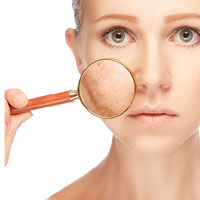
Skin aging affects multiple layers of the skin, not just the surface. As collagen and elastin production decline, the skin loses firmness and smoothness. Pigmentation becomes more pronounced, pores appear larger, and fine lines start to develop. External factors like UV exposure and pollution accelerate this process, causing premature aging. A chemical peel helps reverse visible damage by removing aged surface cells and encouraging healthier, more evenly pigmented skin to replace them, improving both texture and tone over time.
Healthy skin relies on a consistent cycle of shedding old cells and producing new ones. When this process slows, dead cells accumulate, leading to dullness, congestion, and uneven tone. Chemical peels treatment accelerates cell turnover in a controlled manner, allowing fresh skin to surface more quickly. This renewed cycle improves clarity, smoothness, and radiance while also helping the skin respond better to skincare products and protective measures like sunscreen.
Home skincare products can support maintenance but often lack the strength to correct deeper skin issues. Professional chemical peels are formulated with precise concentrations that penetrate beyond the surface. Under expert supervision, these treatments deliver consistent exfoliation without damaging healthy skin. This professional approach ensures predictable results, improved safety, and long-term skin health benefits that home care alone cannot achieve.
Chemical peels have become increasingly popular because they offer visible results with minimal disruption to daily life. People now prefer treatments that are effective yet non-invasive, and chemical peels meet this expectation. Their ability to address multiple concerns, from acne to aging, makes them a versatile choice in modern dermatology.
One of the main reasons for the popularity of chemical peels treatment is the balance between noticeable results and manageable downtime. Many peels deliver brighter, smoother skin within weeks while requiring little recovery time. This makes them suitable for individuals who want improvement without extended breaks from work or social commitments, offering a practical solution for busy lifestyles.
Skincare has shifted toward prevention rather than correction. Chemical peels are increasingly used to maintain skin health and prevent future damage. Regular treatments help control pigmentation, acne, and early aging signs before they become severe. This proactive approach aligns with modern skincare goals focused on long-term skin resilience and gradual improvement rather than reactive treatments.
Modern chemical peel formulations are safer and more refined than earlier versions. Improved ingredients allow dermatologists to customize treatments based on skin type and sensitivity. These advancements reduce irritation while enhancing results, making chemical peels accessible to a broader range of patients. This increased safety and precision have significantly boosted confidence in chemical peel procedures.
Understanding what is a chemical peel helps patients make informed decisions about treatment. A chemical peel is a controlled exfoliation process that removes damaged outer layers of skin. This triggers natural healing, leading to healthier, smoother, and more evenly toned skin over time.
Chemical exfoliation works by breaking down the bonds that hold dead skin cells together. Unlike physical exfoliation, it provides uniform results across the treated area. This controlled process minimizes the risk of uneven texture or irritation. By targeting specific skin layers, chemical peels improve clarity and smoothness while preserving the integrity of healthy skin underneath.
Collagen is essential for maintaining skin firmness and elasticity. During a chemical peel, the skin’s controlled injury response activates collagen production. Over time, this strengthens the skin structure, reduces fine lines, and improves resilience. This collagen stimulation makes chemical peels particularly effective for addressing early signs of aging and maintaining youthful skin quality.
Chemical peels provide both immediate and gradual benefits. Short-term improvements include brighter skin and smoother texture. Long-term changes, such as collagen remodeling and pigmentation reduction, develop over weeks. This combination makes chemical peels a comprehensive solution that enhances skin appearance while supporting lasting skin health.
Chemical peels are categorized based on their depth of penetration, allowing dermatologists to tailor treatment to specific concerns. Choosing the right peel type ensures effective results while maintaining safety and comfort.
Superficial peels target the outermost skin layer and are ideal for mild concerns such as dullness and uneven texture. They refresh the skin with minimal downtime and are often used as maintenance treatments. Regular superficial peels help maintain smoothness, improve brightness, and prevent buildup of dead skin cells without significant recovery.
Medium-depth peels penetrate deeper layers, making them effective for pigmentation, acne scars, and fine lines. They require a short recovery period but deliver more noticeable improvements. These peels are suitable for individuals seeking visible rejuvenation without undergoing invasive procedures, offering balanced results and manageable downtime.
Deep chemical peels address severe skin damage, including deep wrinkles and scars. They provide dramatic improvements but require extended recovery and professional monitoring. Due to their intensity, they are used selectively and less frequently, making them a powerful option for advanced skin rejuvenation under expert care.
Chemical peels offer benefits that go far beyond surface-level cosmetic improvement. They actively enhance how the skin functions by supporting renewal, repair, and protection mechanisms. Regular treatments help the skin become stronger, healthier, and more resilient against environmental stressors such as pollution and UV exposure. By working at a cellular level, chemical peels improve overall skin quality, making them a valuable component of long-term skin health and rejuvenation strategies rather than a short-term aesthetic solution.
By removing rough, damaged outer layers, chemical peels significantly improve overall skin texture and smoothness. As dead cells are shed, newer and healthier skin surfaces, creating a softer and more refined feel. Over time, repeated treatments help maintain this smooth texture by preventing the buildup of dull surface cells. This ongoing improvement reduces the need for heavy makeup and creates a naturally polished appearance that looks even and feels comfortable to the touch.
Chemical peels help clear congested pores while removing dull, damaged surface cells that block natural radiance. When these layers are removed, light reflects more evenly off the skin, resulting in a brighter and healthier glow. Improved clarity also supports balanced oil production, which can reduce the frequency of breakouts. Over time, the complexion appears clearer, fresher, and more vibrant, giving the skin a naturally energized and well-rested look.
After a chemical peel, the skin becomes more receptive to topical skincare products. With the barrier of dead cells removed, active ingredients such as antioxidants, moisturizers, and repair serums penetrate more effectively. This enhanced absorption allows products to work at their intended depth, improving results from daily skincare routines. As a result, chemical peels not only improve skin directly but also amplify the benefits of ongoing home care for long-term improvement.
A facial chemical peel is specifically designed to address common concerns affecting the face, including uneven tone, dullness, and environmental damage. The facial skin is constantly exposed to sun, pollution, and daily stress, making it more prone to pigmentation and texture issues. Facial chemical peels focus on renewing this delicate area by improving clarity, smoothness, and radiance while supporting the skin’s natural repair and defense processes.
Facial chemical peels work by breaking down excess pigment concentrated in damaged skin cells. As these cells are shed, darker areas gradually fade, leading to a more even complexion. With consistent treatments, sun spots, post-acne marks, and uneven pigmentation become less noticeable. This gradual correction allows the skin tone to balance naturally without harsh bleaching agents, resulting in clearer, more uniform facial skin over time.
Large pores and uneven texture often develop due to aging, oil buildup, and collagen loss. Chemical peels improve skin structure by stimulating renewal and supporting collagen production. As the skin becomes firmer and smoother, pores appear smaller and less prominent. This refinement enhances overall facial appearance, making the skin look more youthful, balanced, and polished while also improving how makeup sits on the skin.
By removing dull surface layers, facial chemical peels help restore the skin’s natural radiance. Increased cell turnover and improved circulation contribute to a brighter, healthier complexion. Unlike artificial glow-enhancing products, this radiance comes from renewed skin health. Over time, the face appears more luminous, refreshed, and vibrant, reflecting improved skin vitality rather than temporary cosmetic enhancement.
The chemical peel procedure follows a carefully structured process designed to ensure both safety and effectiveness. Each step, from assessment to aftercare, plays a critical role in achieving consistent and predictable results. Proper execution helps minimize risks while maximizing skin improvement. Understanding the procedure also helps patients feel more confident and prepared, leading to better compliance with care instructions and improved treatment outcomes.
Before beginning a chemical peel, a detailed consultation and skin assessment are conducted by a trained professional. This evaluation considers skin type, existing concerns, sensitivity levels, and medical history. The information gathered helps determine the most suitable peel type and strength. Proper assessment reduces the risk of adverse reactions and ensures the treatment is tailored to individual skin needs for safe and effective results.
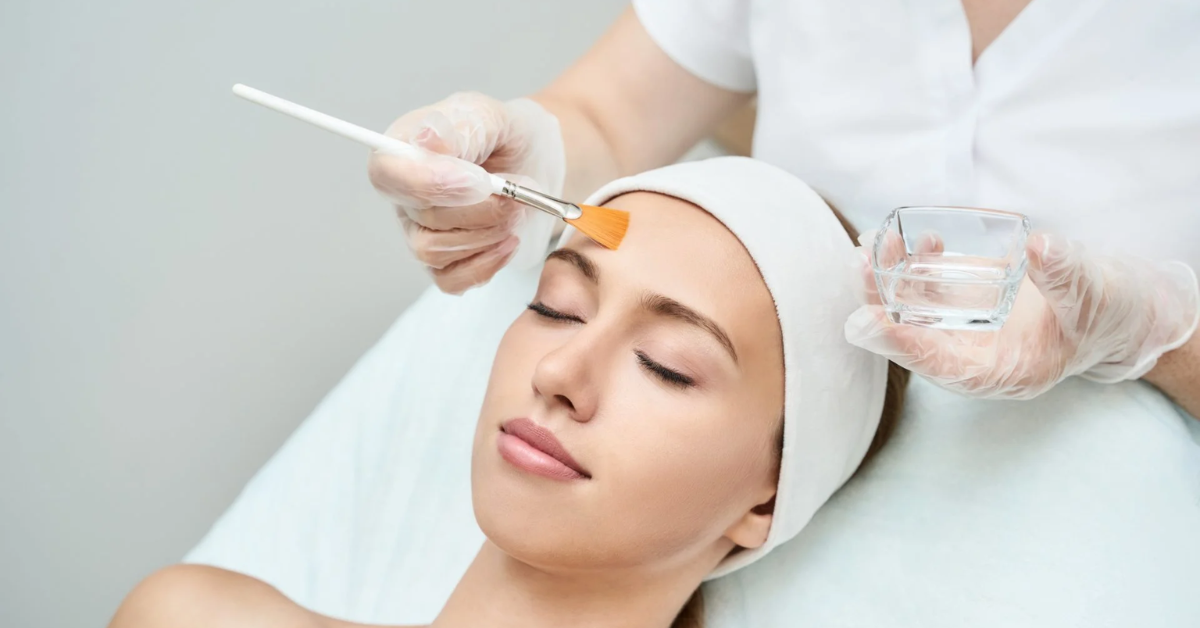
During the procedure, the chemical solution is applied evenly across the treatment area. The practitioner closely monitors the skin’s response, observing changes such as tingling, redness, or frosting. This careful monitoring determines how long the solution remains on the skin. Controlled timing is essential to achieve effective exfoliation while preventing overprocessing, ensuring that the peel delivers benefits without compromising skin safety.
After the desired peel depth is achieved, the solution is neutralized or removed to stop further exfoliation. Soothing products are then applied to calm the skin and support healing. Patients receive detailed post-procedure care instructions, including moisturization and sun protection guidance. Proper aftercare is essential for minimizing irritation, supporting recovery, and maintaining the results achieved through the chemical peel procedure.
The benefits of chemical peel and chemical peels treatment lie in their ability to rejuvenate skin at a cellular level. By improving texture, tone, and overall skin health, chemical peels offer long-lasting, visible results. When performed by experienced professionals and supported by proper skincare, they remain one of the most effective and reliable treatments in modern dermatology.
1. How soon can results be seen after a chemical peel?
Many people notice brighter skin within a week, while deeper improvements develop over several weeks.
2. Are chemical peels safe for long-term use?
Yes, when performed professionally and spaced appropriately, they are safe and beneficial.
3. Can chemical peels help with uneven skin tone?
Chemical peels are highly effective for improving tone and reducing pigmentation.
Book your appointment online or call our team directly.