
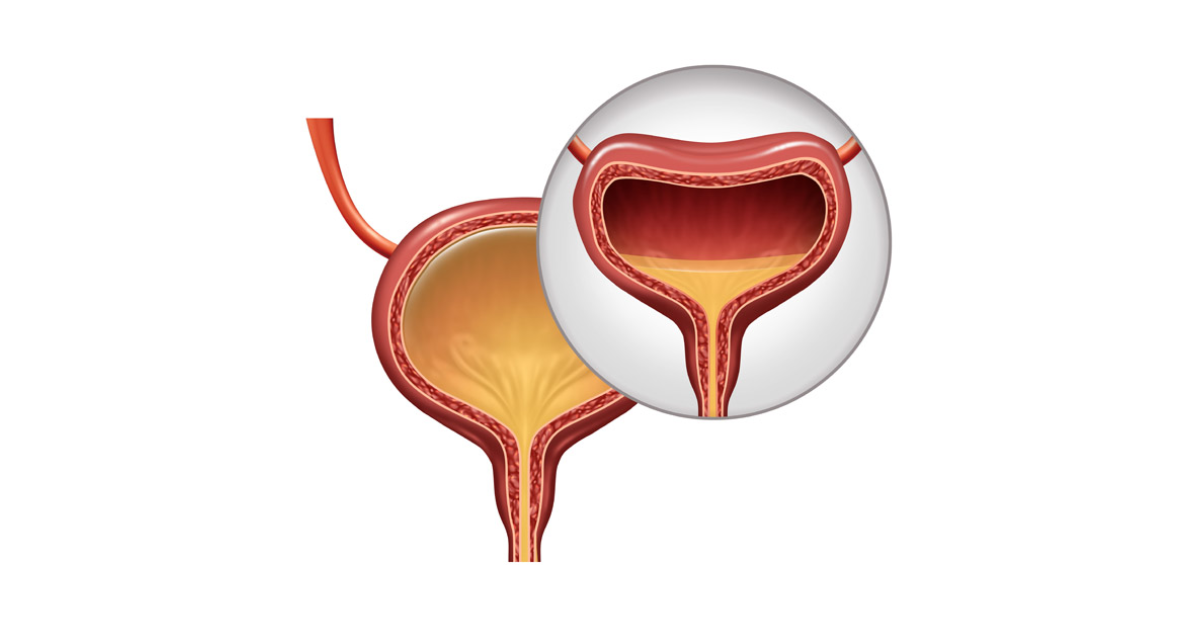
Living with an overactive bladder can feel frustrating, unpredictable, and sometimes even embarrassing. The constant urge to rush to the bathroom can interrupt your sleep, disrupt your work, and affect your emotional well-being. The good news is that this condition can be managed effectively with the right combination of lifestyle changes, Kegel exercises, behavioral therapies, and medical treatments. Whether your symptoms are mild or severe, learning the best overactive bladder treatment options can help regain control and confidence.
An overactive bladder can be triggered by several factors, and sometimes the exact cause remains unknown. The bladder muscles may become overly sensitive due to nerve dysfunction, hormonal changes, or underlying conditions like diabetes. In some individuals, infections or weak pelvic floor muscles also play a major role.
Recognizing the symptoms early helps you seek treatment before the condition worsens. A major sign includes sudden and intense urges to urinate, even when the bladder is not full. You may find yourself visiting the bathroom more than eight times a day or waking multiple times at night. Some individuals experience leakage due to urgency, also known as urge incontinence. These symptoms can interfere with routines like travel, meetings, and social gatherings.
Dealing with an overactive bladder can impact everything from your sleep schedule to your confidence. Frequent nighttime bathroom trips disturb rest, causing fatigue during the day. Many people avoid long trips or public outings out of fear of not finding a restroom in time. Work productivity may drop due to constant interruptions. Emotional wellness may decline as embarrassment or frustration builds..
When symptoms begin to interfere with your routine, it’s important to meet a healthcare provider for proper evaluation. Diagnosis helps identify whether the issue is caused by muscle dysfunction, nerve problems, or another underlying condition.
Urodynamic tests measure how well your bladder stores and releases urine, providing valuable insights. These tests evaluate bladder pressure, capacity, and muscle activity during filling and emptying. By analyzing how the bladder responds, doctors can determine whether the muscles are contracting involuntarily. This information is crucial in differentiating overactive bladder from other urinary disorders.
Your doctor will conduct a general physical examination to rule out infections or structural issues. They may ask about your lifestyle habits, sleep cycle, medication use, and fluid intake patterns. Understanding your medical history helps identify triggers or associated conditions like diabetes or menopause. The doctor will also check for pelvic floor muscle strength, which is essential for bladder control.
Keeping a bladder diary helps your doctor understand your symptoms in real situations. This includes recording the number of times you urinate daily, episodes of leakage, and types of fluids consumed. Tracking your intake helps identify irritants such as soda, alcohol, or caffeine that may trigger urgency. Over a few days, this diary provides a clear picture of bladder behavior. It becomes easier for your healthcare provider to create a targeted treatment plan.
Most people can manage their symptoms effectively with non-invasive treatment options. These methods improve bladder control naturally and can significantly reduce urgency and frequency.
Kegel exercises are one of the most effective ways to strengthen pelvic floor muscles, which support the bladder and urethra. When these muscles become stronger, they help prevent involuntary bladder contractions. Practicing Kegels regularly improves control over the urinary sphincter, reducing leakage episodes. It is essential to perform the exercises correctly by tightening the right muscles.
Simple lifestyle adjustments can significantly ease overactive bladder symptoms. Reducing consumption of bladder irritants like caffeine, spicy foods, and artificial sweeteners may improve bladder stability. Maintaining a healthy weight reduces pressure on the bladder, helping minimize urgency. Managing stress through relaxation techniques can also prevent muscle overactivity.
Bladder training teaches the body to delay urination gradually. Instead of responding to every urge, you intentionally extend the time between bathroom visits. This technique reduces sensitivity and strengthens bladder capacity. Behavioral therapy also includes techniques like urge suppression, which helps control sudden urges. With patience and regular practice, many patients regain predictable bladder patterns.
If lifestyle changes alone do not provide relief, medical treatment may be necessary. Doctors often recommend these therapies when symptoms remain persistent or disruptive.
Medications help relax bladder muscles, reducing unwanted contractions. These drugs work by altering nerve signals that trigger urgency, allowing the bladder to hold urine longer. Some medications also reduce nighttime urination, improving sleep quality. Although effective, they may cause mild side effects such as dry mouth or constipation. Doctors evaluate your health profile before prescribing the right option.
Botox injections into the bladder wall help reduce muscle overactivity. This treatment temporarily weakens the muscles responsible for involuntary contractions. As a result, urgency and leakage episodes decrease noticeably. The procedure is minimally invasive and performed under local anesthesia. Results typically last several months before another session is required.
Nerve stimulation therapy uses mild electrical pulses to control bladder function. The treatment focuses on nerves that manage bladder signals, improving communication between the brain and urinary system. This therapy helps reduce urgency, frequency, and leakage over time. It is performed through a small implanted device or external stimulation. Many patients prefer this method due to its long-term effectiveness.
Surgery is usually recommended only when other treatments fail to provide relief. It can be a life-changing option for patients with severe symptoms.
Overactive bladder surgery includes procedures like bladder augmentation and nerve rerouting. These surgeries help increase bladder capacity or improve nerve function. Bladder augmentation uses tissue to enlarge the bladder, reducing pressure and contractions. In some cases, doctors may implant devices to regulate nerve signals. Surgery is recommended after thorough evaluation using tests such as imaging and urodynamics.
Surgery can dramatically improve bladder control and reduce urgency. Many patients regain independence and confidence after successful treatment. However, as with any surgical procedure, there are potential risks such as infection or changes in bladder function. Doctors carefully discuss possible complications before recommending surgery.
Recovery depends on the type of surgery performed and your overall health. You may need temporary catheter support as the bladder heals. Doctors usually recommend follow-up visits to monitor healing and adjust medications if needed. Over time, most individuals notice improved bladder capacity and reduced frequency.
Managing overactive bladder is not just about treatment; it’s also about maintaining healthy habits. Consistent self-care reduces symptoms and prevents flare-ups.
Certain foods can irritate the bladder, making symptoms worse. Avoiding acidic fruits, carbonated drinks, and spicy meals can help maintain stability. Incorporating fiber-rich foods prevents constipation, which often adds pressure on the bladder. Lean proteins, whole grains, and leafy greens support overall urinary health. A balanced diet ensures your body functions optimally.
Proper hydration helps prevent urgency triggered by concentrated urine. Drinking water evenly throughout the day reduces bladder irritation. Avoid drinking large quantities right before bed to minimize nighttime trips. Replacing sugary drinks with fresh water supports overall bladder function. Paying attention to thirst cues helps maintain healthy hydration levels.
Routine medical visits ensure your treatment plan remains effective. Doctors can adjust medications, recommend new therapies, or identify early issues. Regular monitoring helps prevent complications from worsening. It also reassures patients that their condition is manageable. Staying consistent with appointments leads to long-term improvement.
Managing an overactive bladder is absolutely possible with the right combination of lifestyle changes, Kegel exercises, accurate diagnosis, and timely overactive bladder treatment options. Understanding your condition empowers you to take control instead of letting symptoms rule your life. With dedication, support, and proper medical guidance, anyone can regain comfort, confidence, and a better quality of life.
1. Can overactive bladder be cured permanently?
In many cases, symptoms can be successfully controlled, but long-term management is essential.
2. Do Kegel exercises work for both men and women?
Yes, Kegel exercises strengthen pelvic muscles in both men and women.
3. How long does it take to see improvement with bladder training?
Most individuals notice improvement within 4 to 6 weeks of consistent practice.
Book your appointment online or call our team directly.


