
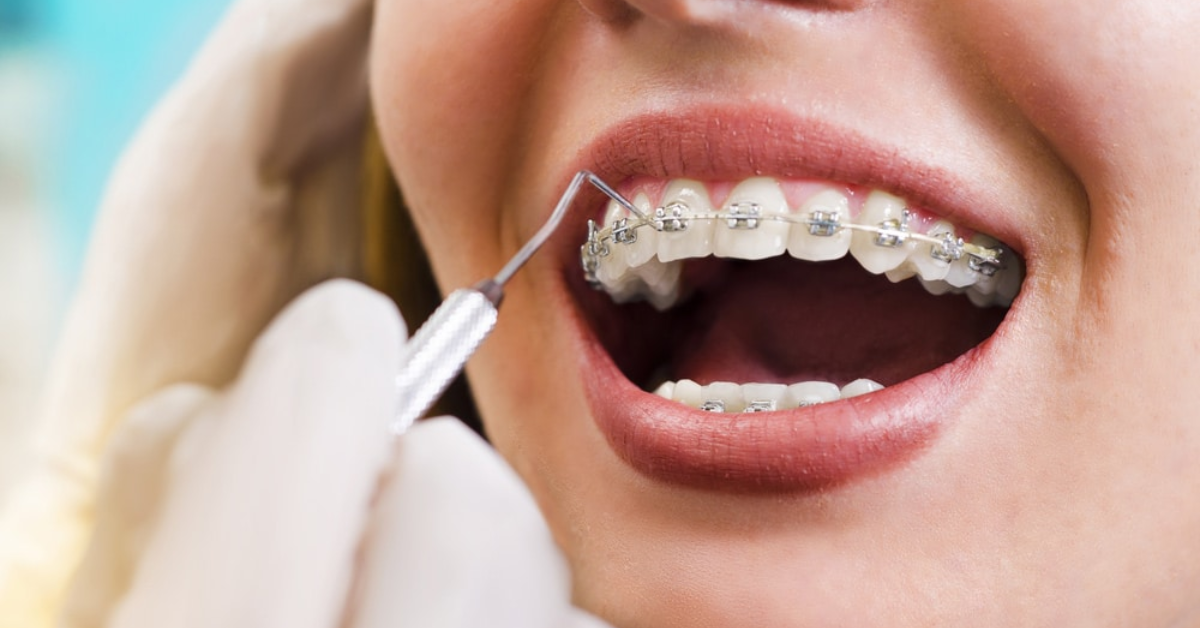
Braces are often misunderstood due to outdated beliefs and exaggerated personal stories. Many people delay or completely avoid orthodontic treatment because they assume braces are painful, ineffective, or purely cosmetic. This article focuses on braces debunked, addressing widespread braces myths while clearly explaining the genuine health and lifestyle-related benefits of braces. By understanding modern orthodontics, readers can make confident, informed decisions about their dental health without unnecessary fear or hesitation.
Despite major advances in orthodontics, misinformation continues to circulate. These myths often originate from older treatment methods, cultural storytelling, and unverified online content. Understanding why these misconceptions persist is the first step toward replacing fear with facts and seeing braces as a modern, effective healthcare solution.
Many braces myths originate from experiences shared by parents, relatives, or older community members who underwent orthodontic treatment decades ago. At that time, braces were bulkier, adjustments were less refined, and comfort was not a priority. These personal stories are often retold without acknowledging advancements in technology. Over time, mild discomfort becomes exaggerated into long-term pain. Without updated information, these inherited beliefs continue influencing decisions even though modern orthodontics has evolved significantly.
Social media platforms amplify dramatic personal experiences rather than balanced medical facts. Videos highlighting discomfort, broken brackets, or treatment delays gain attention faster than positive outcomes. Algorithms prioritize emotional reactions, not accuracy. As a result, people consuming this content develop unrealistic fears about braces. These fear-driven narratives overshadow evidence-based braces facts, creating anxiety before individuals even consult a professional orthodontist.
In many healthcare systems, orthodontic education focuses on correction rather than prevention. People often learn about braces only when misalignment becomes severe. Without early education on dental development and alignment, braces appear extreme or optional. This educational gap allows myths to flourish. When people lack professional guidance early on, they rely on hearsay, reinforcing misconceptions about orthodontic treatment.
This myth discourages adults from seeking treatment, even when alignment issues affect comfort and oral health. Modern orthodontics clearly demonstrates that age is not a barrier to successful treatment.
Adult orthodontic treatment has increased significantly due to improved techniques and materials. Teeth can move at any age because bone tissue continues to remodel throughout life. Many adults seek treatment for bite problems, jaw discomfort, or shifting teeth caused by aging. Braces for adults address both functional and aesthetic concerns. Modern treatment plans are tailored to adult lifestyles, making orthodontic care practical and effective well beyond adolescence.
Adults often worry braces will interfere with work or social confidence. However, today’s orthodontic systems are designed for discretion and comfort. Clear brackets, ceramic braces, and aligners blend into daily life without drawing attention. Professionals can speak, present, and interact confidently. The idea that braces disrupt careers or social lives reflects outdated perceptions rather than current reality.
Many adults could not access orthodontic care earlier due to financial or geographic limitations. Others experience alignment changes after losing retainers or due to natural aging. Hormonal changes, stress, and dental wear can also shift teeth over time. These factors explain why adults increasingly seek treatment later in life. Orthodontics offers solutions regardless of when treatment begins.
Fear of pain remains one of the strongest deterrents to orthodontic treatment. However, modern braces prioritize controlled movement and patient comfort.
Braces apply gentle pressure to guide teeth gradually. This sensation is commonly mistaken for pain, but it is usually mild soreness. Discomfort typically occurs after adjustments and fades within a few days. Severe pain is uncommon and often indicates a correctable issue. Understanding this difference helps patients approach treatment with realistic expectations rather than fear.
Advances such as memory wires, self-ligating brackets, and digital treatment planning reduce friction and unnecessary pressure. These innovations allow teeth to move more efficiently and comfortably. Fewer adjustments are required, and healing time improves. Compared to older systems, modern braces are significantly less intrusive, making pain-related myths largely inaccurate.
Most patients adjust to braces within the first week. The mouth adapts quickly, and soft tissues become less sensitive over time. Once the initial adjustment period passes, braces feel normal during daily activities. This rapid adaptation surprises many patients who expected prolonged discomfort, reinforcing that fear is often worse than reality.
Many people assume braces require years before any visible improvement appears. This belief often discourages patients from starting treatment, especially adults who worry about long commitments. In reality, orthodontic treatment is designed to produce gradual but noticeable changes early on, helping patients stay motivated and confident throughout the process.
Orthodontic movement begins almost immediately after braces are placed, even though the process happens gradually. Within the first few months, many patients start noticing visible improvements such as reduced crowding, closing gaps, and better tooth alignment. These early changes reassure patients that the treatment is working effectively. Seeing progress early helps build confidence and dispels the myth that braces take years before producing any noticeable results.
The length of braces treatment varies because no two mouths are exactly alike. Factors such as the severity of misalignment, jaw structure, bite issues, and overall oral health all influence how long treatment will take. Orthodontists now use advanced digital imaging and treatment planning tools to provide more accurate timelines. This individualized approach replaces outdated assumptions that everyone must wear braces for an excessively long time.
Patient cooperation plays a crucial role in how quickly braces deliver results. Wearing elastics as instructed, maintaining proper oral hygiene, and attending scheduled appointments help keep treatment on track. When patients follow their orthodontist’s guidance consistently, tooth movement becomes more efficient. This shared responsibility shows that treatment duration is not fixed and can often be shortened with good habits and active participation.
Many people still associate orthodontic treatment exclusively with traditional metal braces, assuming there are no other choices available. This misconception overlooks the wide range of modern orthodontic solutions designed to suit different lifestyles, aesthetic preferences, and treatment needs.
Ceramic braces are designed to blend with the natural color of teeth, making them significantly less noticeable than metal braces. They function in the same way as traditional braces but offer improved aesthetics for patients concerned about appearance. Modern ceramic materials are durable, resistant to staining, and suitable for many alignment issues. These braces allow patients to receive effective treatment without drawing unnecessary attention to their smile.
Lingual braces are attached to the inner surface of the teeth, making them completely hidden from view. This option is ideal for patients who want full discretion during orthodontic treatment. Although lingual braces require specialized expertise and precise customization, they are highly effective for complex alignment problems. Their hidden placement allows patients to maintain confidence in social and professional settings while still achieving excellent results.
Clear aligners have transformed how many people perceive orthodontic treatment. These removable trays are comfortable, discreet, and easy to incorporate into daily routines. Aligners are especially appealing to adults with busy schedules who want flexibility without compromising effectiveness. They demonstrate how orthodontics has evolved to meet modern lifestyle demands while still delivering reliable alignment outcomes for suitable cases.
Fear of looking awkward or unprofessional often prevents people from pursuing orthodontic care, even when misalignment affects comfort and oral health. This concern is largely based on outdated images of braces rather than today’s refined designs.
Today’s braces are smaller, smoother, and far less noticeable than older versions. Clear brackets, neutral-colored wires, and ceramic materials help braces blend naturally with teeth. Many patients feel reassured knowing their smile is improving throughout treatment. Modern orthodontic design focuses on balancing effectiveness with appearance, proving that braces do not have to compromise how someone looks during treatment.
Rather than reducing confidence, braces often enhance it over time. As teeth gradually straighten, patients become more comfortable smiling and speaking. Knowing that they are actively improving their smile gives many people a psychological boost. This positive mindset can begin early in treatment, showing that braces are not something to hide but a visible sign of self-care and long-term investment in health.
Braces are increasingly common among professionals across all industries. They are widely viewed as a responsible health decision rather than a distraction or limitation. Colleagues and clients are generally supportive, and orthodontic treatment is no longer stigmatized in the workplace. This cultural shift has made appearance-related concerns about braces largely irrelevant in modern professional settings.
This myth minimizes the medical importance of orthodontic treatment. While braces do improve appearance, their primary purpose is to enhance oral function, comfort, and long-term dental health.
Misaligned teeth and improper bites can place excessive strain on jaw muscles and joints. Braces correct these issues by aligning teeth and balancing the bite. Improved alignment makes chewing more efficient, reduces jaw discomfort, and can even improve speech clarity. These functional benefits demonstrate that orthodontic treatment plays a vital role in overall oral health, not just cosmetic enhancement.
Proper alignment makes teeth easier to clean and maintain. Crowded or overlapping teeth trap plaque and increase the risk of cavities and gum disease. Braces create adequate spacing, allowing for better brushing and flossing. This preventive benefit helps protect teeth and gums over the long term, making orthodontic treatment an important investment in lifelong oral health.
Aligned teeth improve chewing efficiency, which supports better digestion by breaking food down properly before swallowing. Alignment also affects how sounds are formed during speech. Braces correct subtle alignment issues that may interfere with pronunciation or airflow. These broader benefits of braces highlight their impact on daily comfort and overall well-being beyond visual improvements.
Understanding braces debunked means replacing outdated fears with evidence-based knowledge. Modern orthodontics prioritizes comfort, efficiency, and health. By challenging braces myths, individuals can confidently pursue treatment that improves both function and appearance.
1. Are braces effective for adults?
Yes, braces work effectively at any age when guided by a qualified orthodontist.
2. Do braces always hurt?
Most patients experience mild discomfort, not pain, which fades quickly.
3. How long do braces usually take?
Treatment duration varies, but many cases show visible results within months.
Book your appointment online or call our team directly.


