
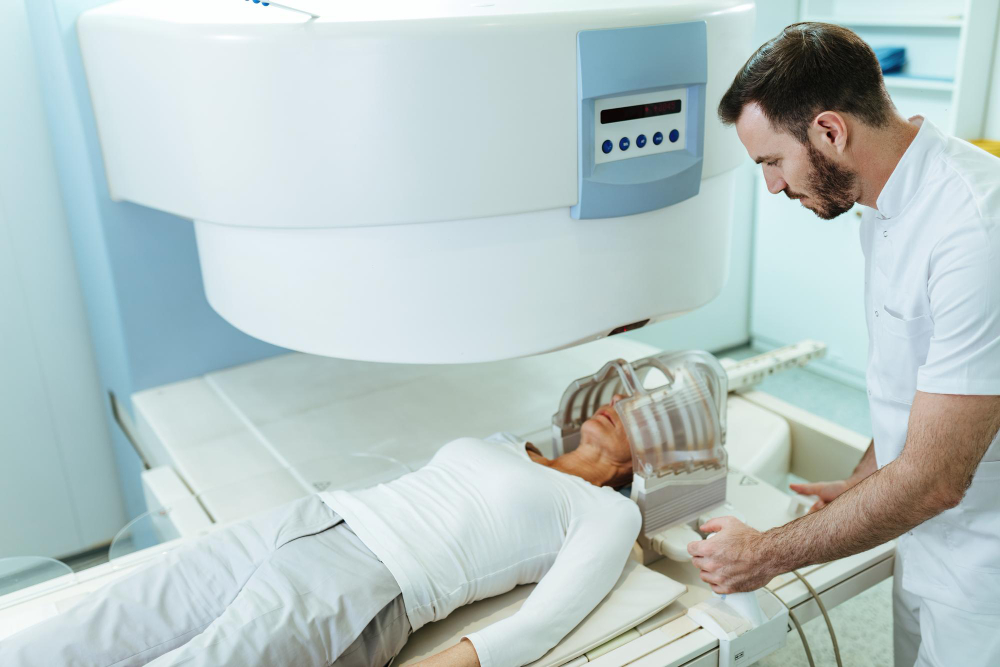
One of the most cutting-edge supportive treatment options available in contemporary healthcare is hyperbaric oxygen therapy (HBOT). HBOT supports the body's natural healing process by raising blood and tissue oxygen levels by the delivery of pure oxygen in a pressured atmosphere. Significant technological developments throughout time have changed HBOT from a specialist therapy to a highly advanced therapeutic option utilized across a variety of medical disciplines.
With increased knowledge, many patients and caregivers look for information on the cancer risk associated with hyperbaric oxygen therapy (HBOT) and if HBOT is safe for those receiving cancer treatment or recovering from cancer. Healthcare practitioners are also continuing to upgrade HBOT systems with improved treatment protocols, patient monitoring technologies, and sophisticated safety features.
This article examines the most recent developments in HBOT technology, its advantages for patient care, and the state of knowledge on hyperbaric oxygen therapy and cancer-related issues.
In a medical procedure known as hyperbaric oxygen therapy, patients breathe only oxygen while in a specially made chamber that operates at pressures greater than those found in the atmosphere.
In these circumstances, oxygen dissolves into the bloodstream more effectively and reaches tissues that might not receive enough oxygen because of damage, infection, inflammation, or impaired circulation.
HBOT is frequently applied to ailments like:
As novel methods that oxygen-rich environments can aid in tissue regeneration and recovery are discovered through study, the uses of modern HBOT continue to grow.
In addition to oxygen supply, HBOT's efficacy also depends on patient comfort, safety, and treatment accuracy. These elements have been greatly enhanced by technological advancements.
Contemporary chambers offer exact control over oxygen flow and pressure levels. This enables medical professionals to tailor treatment regimens to the needs of specific patients.
In order to accurately target diseases while safeguarding healthy tissues, improved treatment accuracy depends on cutting-edge technology like artificial intelligence, real-time imaging, and precision medicine.
By continually monitoring patient vital signs, oxygen concentration, and chamber pressure, sophisticated monitoring systems lower treatment-related hazards.
Modern technology, unambiguous regulations, and employee training are used by enhanced safety standards to prevent mishaps before they occur.
With enhanced seats, communication technologies, entertainment options, and roomy interiors, new chamber designs prioritize patient comfort.
HBOT is now more patient-friendly and accessible than ever because to these advancements.
A better patient experience encompasses all of a person's encounters with the healthcare system, such as scheduling appointments, communicating clearly, creating welcoming facilities, and providing encouraging follow-up care.
With lighter, portable chambers, automated computerized pressure management systems, and intelligent real-time physiological surveillance, hyperbaric oxygen therapy (HBOT) technology has progressed.
The advancement of chamber design is one of the most important advances in HBOT technology.
Designed for single patients, monoplace chambers presently have the following features:
Throughout the course of therapy, patients may readily communicate with medical professionals, which lowers anxiety and increases compliance.
Large medical facilities frequently use multiplace chambers, which can hold several patients at once.
Among the latest innovations are:
Healthcare professionals may now administer safer and more effective therapies thanks to these improvements.
Computerized monitoring systems are becoming more and more important in modern HBOT facilities.
The HBOT chambers of today are able to continually monitor:
Any changes during treatment can be promptly recognized and addressed by medical personnel.
Clinicians can pre-program therapy sessions using smart systems according to predetermined procedures. This guarantees consistent therapy delivery and reduces human mistake.
Automated treatment protocols create, optimize, and validate patient care regimens using software, artificial intelligence, and pre-established clinical guidelines.
Treatment data is recorded by sophisticated software, which aids doctors in assessing patient progress and planning more effective sessions.
Effective oxygen delivery is still essential to the success of HBOT.
Portability, "smart" automated titration, high-flow nasal treatment, and microenvironment-responsive biomaterials are the main areas of recent advancements in oxygen delivery.
Contemporary oxygen production and distribution techniques guarantee:
Better therapeutic results and increased patient safety result from this.
Clinicians can more precisely provide oxygen in accordance with patient-specific requirements thanks to advanced flow-control technologies.
While preserving ideal chamber conditions, these devices aid in maximizing tissue oxygenation.
Enhancing patient comfort and accessibility requires creating digital tools and healthcare environments that are inclusive.
A key factor in the effectiveness of treatment is patient comfort.
Contemporary chambers consist of:
During sessions that can last anywhere from 60 to 120 minutes, these features help patients stay at ease.
Throughout therapy, patients can use sophisticated intercom systems to speak with medical staff.
This ongoing communication lowers stress connected to therapy and increases safety.
Advanced HBOT centers can provide:
The entire patient experience is enhanced by these additions, especially over longer treatment regimens.
The danger of cancer from hyperbaric oxygen therapy is one of the most commonly searched issues with HBOT.
In the past, several specialists questioned whether elevated oxygen levels could promote the growth of cancer. Current research, however, indicates that HBOT does not seem to start the development of cancer.
For cancer cells to live, they need oxygen and nutrition. Some people are concerned that HBOT can hasten tumor growth since it increases oxygen availability.
Nevertheless, studies carried out over a number of decades have failed to prove a connection between HBOT and the development of cancer.
HBOT has been studied extensively in cancer patients, especially those with radiation-related problems.
Studies reveal that:
Before proposing HBOT, medical professionals still assess each patient's health on an individual basis.
Radiation therapy and other cancer therapies can result in persistent sores, decreased blood flow, and long-term tissue damage.
HBOT could aid in healing by:
Because of this, HBOT is now a crucial supporting treatment in some cancer rehabilitation programs.
It is anticipated that HBOT would prioritize increased efficiency, safety, and personalization in the future.
New developments consist of:
These developments could increase the use of HBOT in a variety of medical disciplines.
Patients should give preference to HBOT treatment centers that provide:
Before making a choice, patients looking for HBOT treatment clinic in Mumbai, should consider the medical staff's experience, the technology that is available, the accreditation requirements, and the general patient care approach.
Through amazing technological developments that improve patient comfort, safety, and treatment accuracy, hyperbaric oxygen therapy is continually evolving. Modern HBOT is become more complex and efficient, from AI-assisted treatment planning and telemedicine integration to intelligent monitoring systems and sophisticated chamber designs.
For patients and caregivers, worries about the cancer risk associated with hyperbaric oxygen therapy continue to be significant. According to available data, HBOT does not cause cancer and can be very helpful in promoting recovery, especially for patients who are dealing with radiation-related issues.
HBOT is anticipated to become an even more significant part of all-encompassing patient care as technology develops, providing fresh opportunities for rehabilitation and healing across a variety of medical ailments.
In order to improve oxygen delivery to tissues and encourage healing, patients undergoing HBOT breathe pure oxygen inside a pressurized chamber.
Smart monitoring systems, cutting-edge oxygen delivery technology, AI-assisted treatment planning, improved chamber designs, and telemedicine integration are examples of contemporary HBOT developments.
When choosing an HBOT institution, look for knowledgeable specialists, cutting-edge chamber technology, thorough safety precautions, evidence-based procedures, and high standards for patient care.
Book your appointment online or call our team directly.


