Eczema is a persistent skin illness that affects millions of individuals worldwide,
resulting in discomfort, irritation, and noticeable skin changes. Despite its prevalence, many people still have misunderstandings about eczema, particularly its causes, appearance, and whether it is contagious. Understanding the disease is the first step toward appropriate treatment and long-term alleviation.
In this blog, we will look at eczema in depth, including its causes, symptoms,
eczema pictures for diagnosis, and the most effective eczema treatment methods available today. We will also advise you on when to seek professional care from the best dermatologist hospital in powai and how early detection can dramatically enhance your quality of life.
Atopic dermatitis, the medical term for eczema, is a non-infectious inflammatory skin condition that causes dry, itchy, red, and cracked skin. Although it can develop at any age, it usually starts in childhood.
Eczema is a chronic illness that frequently flares up. Modern eczema treatment techniques can effectively reduce symptoms and prevent severe flare-ups, even though there is no permanent cure.
Genetic, environmental, and immune-related factors all contribute to the development of eczema. Knowing the causes makes it easier to avoid triggers and better control symptoms.
Together with environmental influences (nature vs. nurture), genetic factors are the inherited components (genes) passed down from parents that affect characteristics like appearance, health risks, and habits.
This illness is more common in people with a family history of allergies, asthma, or eczema. The skin is more vulnerable to allergens and irritants when the skin barrier is compromised.
By interacting with our genetics and preexisting sensitivities, external factors in our environment—physical, social, or psychological—can cause particular reactions, ranging from allergic reactions (pollen, dust, mold) and asthma flare-ups to affecting behavior, mood, and health, including stress, cravings, or autoimmune conditions.
Typical environmental triggers consist of:
An immune response, which can be either overactive (autoimmunity, allergies) or underactive (infections), is the body's coordinated defense against dangerous invaders like bacteria, viruses, and toxins. It involves both immediate (innate) and specific (adaptive) reactions that recognize, attack, and remember threats, using barriers, cells (like T cells, B cells), and antibodies to restore health.
Eczema sufferers experience inflammation and itching as a result of their immune system overreacting to small stimuli.
A vicious cycle that affects both physical and mental well-being is created when pressures (job, money, relationships) set off unhealthy coping strategies (bad food, inactivity, sleep problems, drug abuse), which in turn exacerbate stress and result in chronic health issues.
Poor skincare practices, emotional stress, and sleep deprivation can exacerbate eczema symptoms and aggravate flare-ups.
The symptoms of eczema can fluctuate from person to person and range from minor to severe.
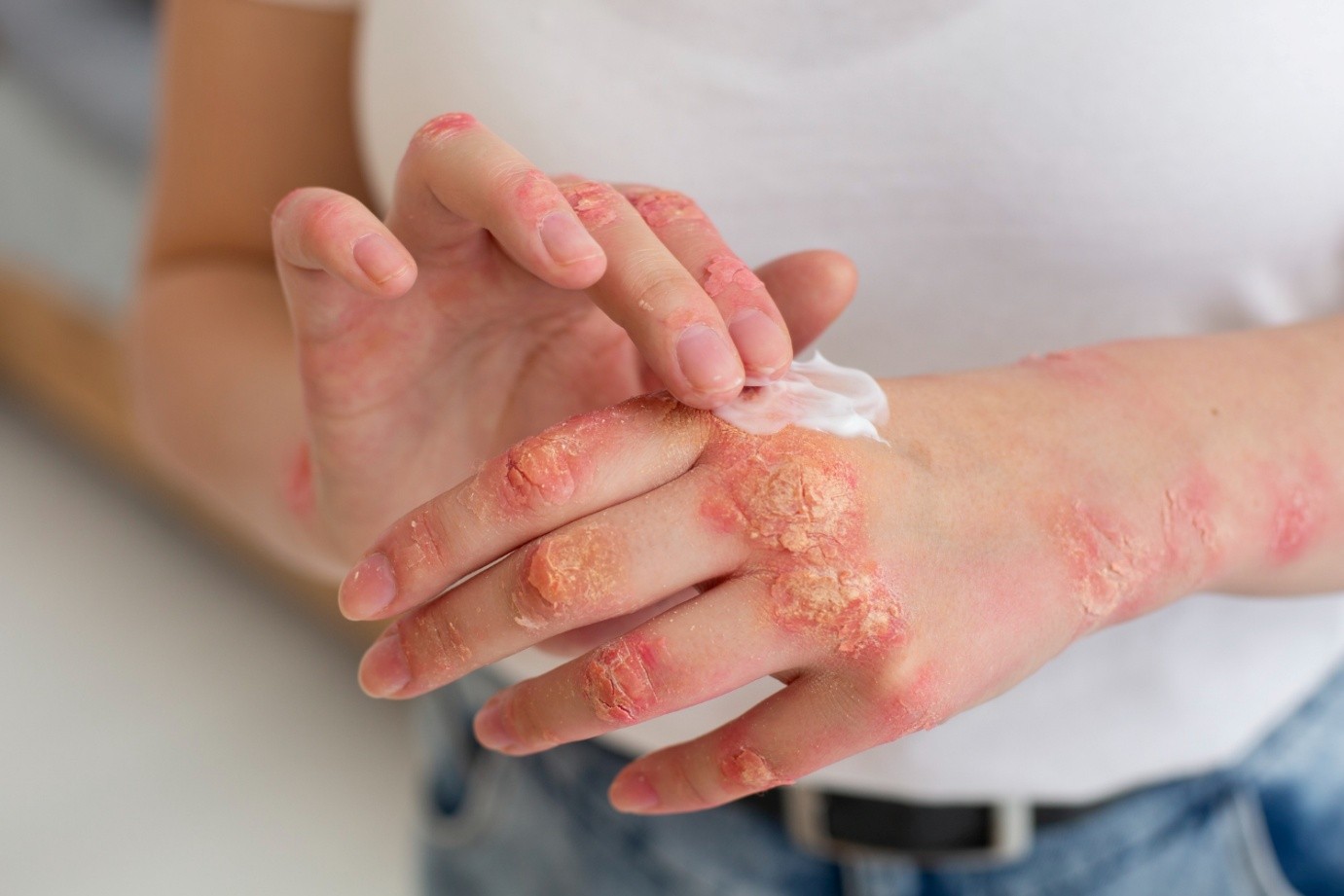
Patches of skin that are extremely itchy, dry, red, scaly, bumpy, or even exude fluid; they frequently arise on the cheeks or scalp of infants or inside the elbows or knees of older children or adults.
Viewing eczema pictures can aid in early diagnosis and differentiation from other skin conditions such as psoriasis or fungal infections.
Eczema pictures serve an important role in early diagnosis and awareness. Eczema's appearance varies depending on age, skin tone, and affected body location.
Due to an overactive immune response and problems with the skin barrier, eczema (atopic dermatitis) in children causes dry, red, extremely itchy skin patches that can ooze, crust, or thicken. These patches typically occur on the cheeks and scalp of infants and in the creases of the elbows and knees of older children.
Genetics, immunological problems, and environmental factors can cause this chronic skin ailment, which manifests as dry, extremely itchy, red, and inflammatory patches on the hands, cheeks, eyelids, or body folds that can ooze, crust, or harden.
In contrast to the usual red observed on lighter skin, eczema in darker skin frequently manifests as dark brown, purple, or gray patches or ashy, dry lumps (papules), making it easy to overlook or misdiagnose.
Since eczema can appear differently in different age groups and skin tones, speaking with the best skin doctor in Powai guarantees an accurate diagnosis.
Is eczema contagious? is one of the most common queries.
Eczema is not contagious. It is unable to propagate through:
Eczema is not an infection; rather, it is an inflammatory disorder. Patients' fear and social stigma are lessened when they realize that eczema is not contagious.
Topical treatments (corticosteroids, calcineurin inhibitors), moisturizing products (creams, ointments), and lifestyle modifications (gentle showering, avoiding triggers); in severe cases, choices include injectable biologics (dupilumab) and oral medications (JAK inhibitors).
Restoring the skin barrier, reducing inflammation, and easing itching are the main goals of effective eczema treatment.
A customized eczema treatment plan based on skin type and severity can be created by the best dermatologist in Powai.
You ought to seek expert advice if:
Consulting the best dermatologist hospital in powai guarantees precise diagnosis, cutting-edge therapies, and sustained symptom management.
Eczema is a treatable skin disorder if discovered early and treated properly. Understanding the causes, symptoms, eczema pictures, and treatment choices allows sufferers to take charge of their skin health. Most significantly, understanding that eczema is not contagious reduces unwarranted anxiety and shame.
Seeing the best dermatologist hospital in powai can help you achieve pleasant, healthy skin if you or a loved one is experiencing ongoing eczema symptoms.
1. How valuable are eczema pictures for diagnosis?
Eczema pictures can assist identify symptoms early on, but a professional diagnosis is required.
2. Can eczema be permanently cured?
Effective eczema treatment can manage symptoms over time, but there is no long-term cure.
3. Which physician should I see to treat my eczema?
For an appropriate assessment and treatment, speak with a skilled dermatologist at the best dermatologist doctor in powai.
Book your appointment online or call our team directly.