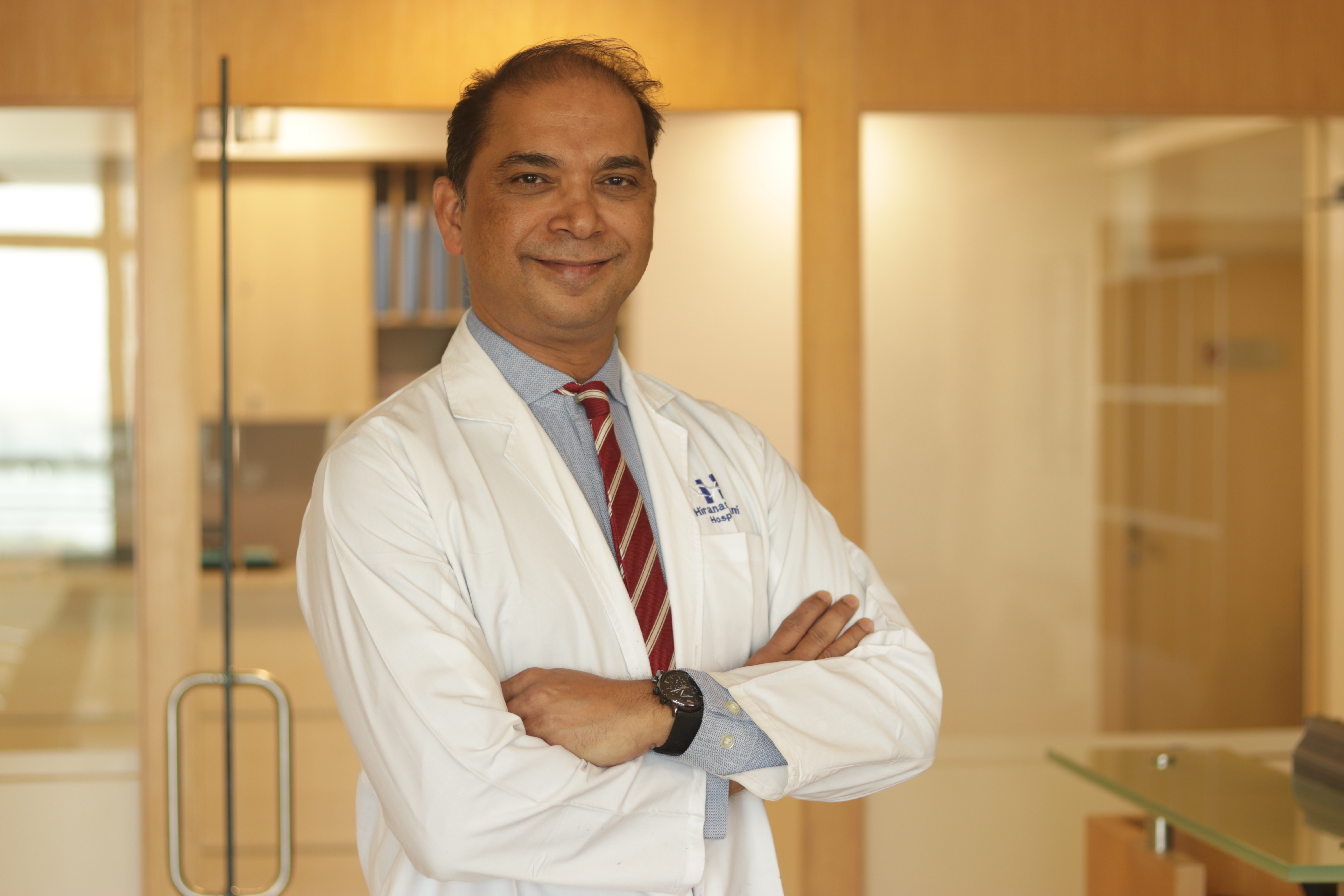
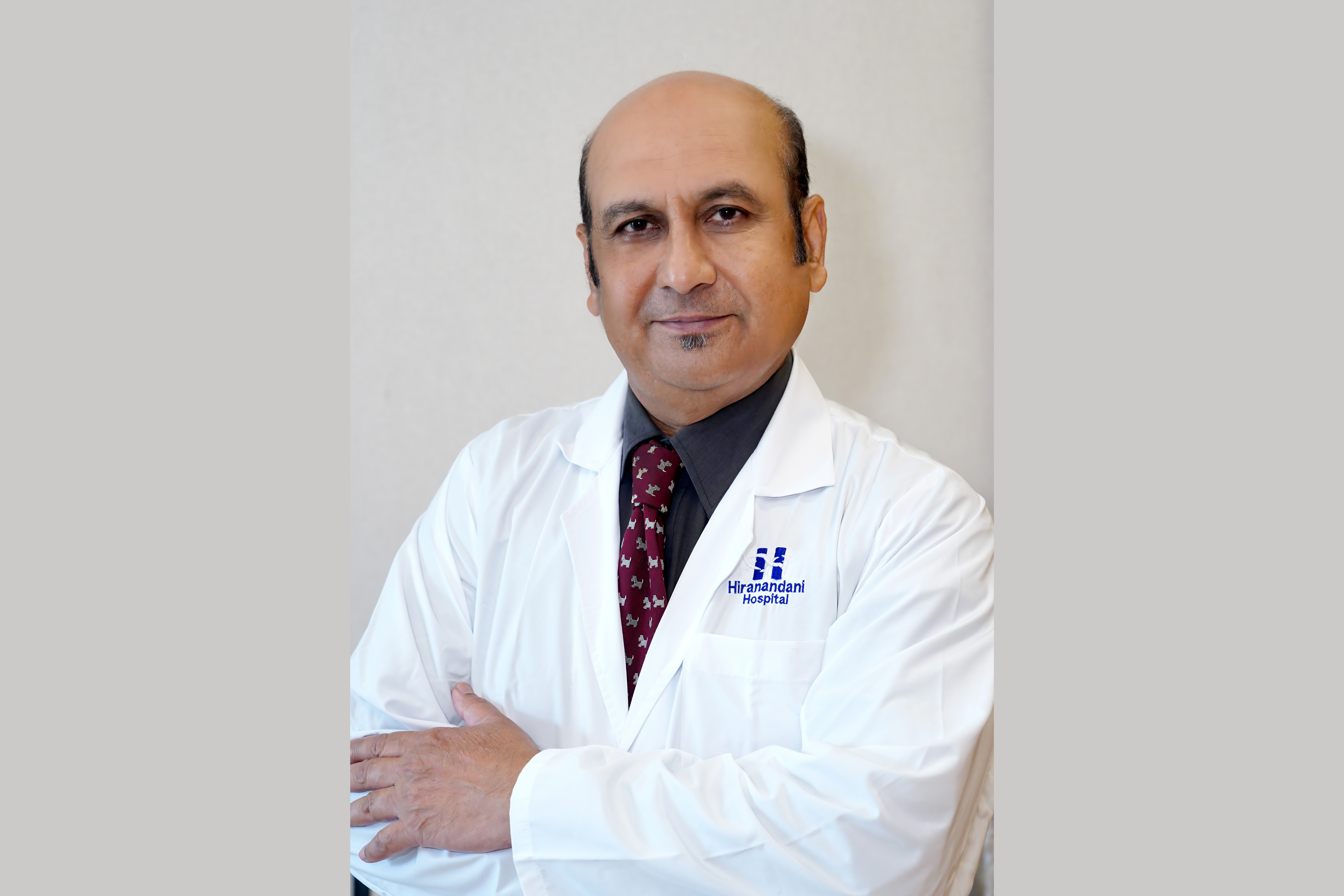
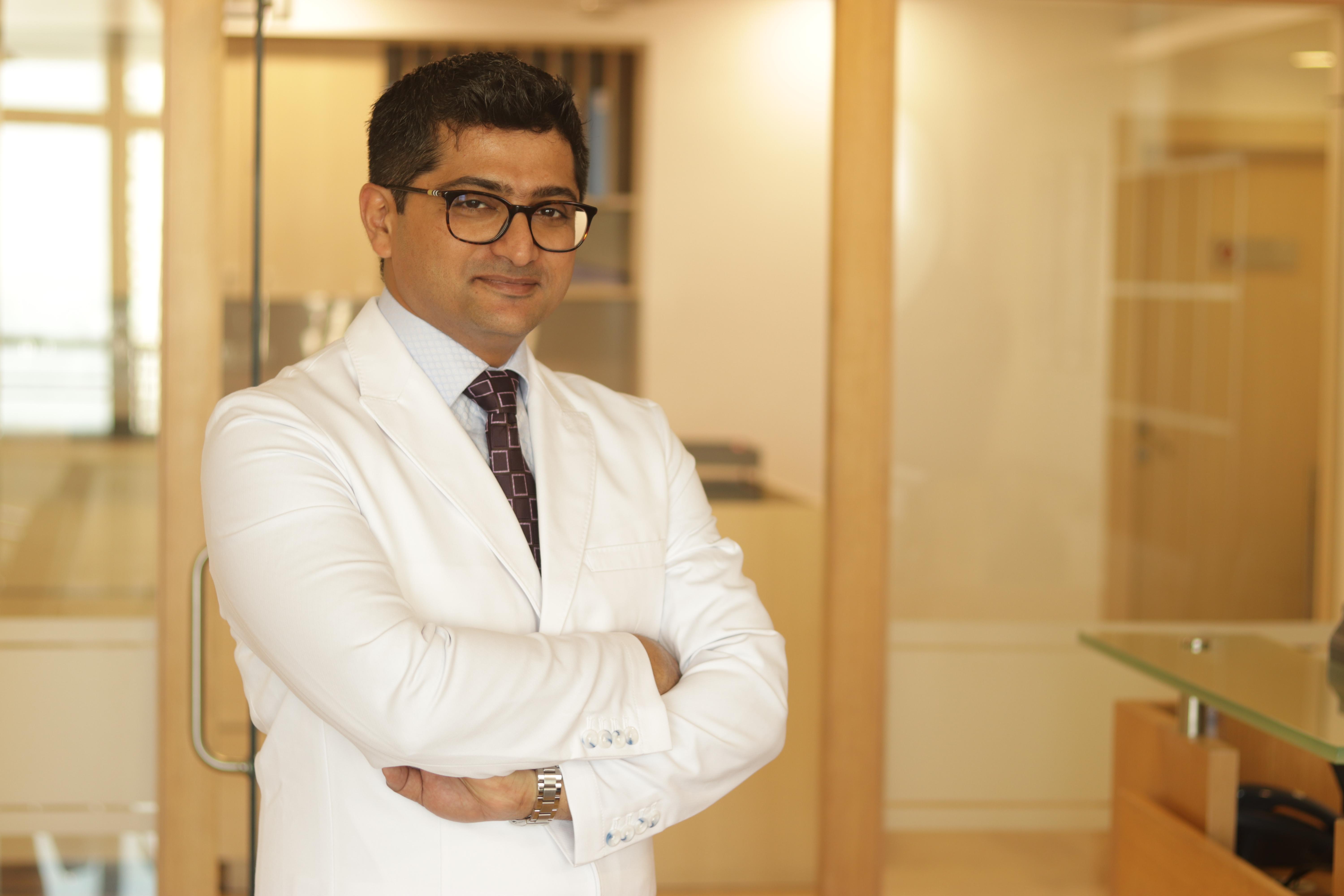
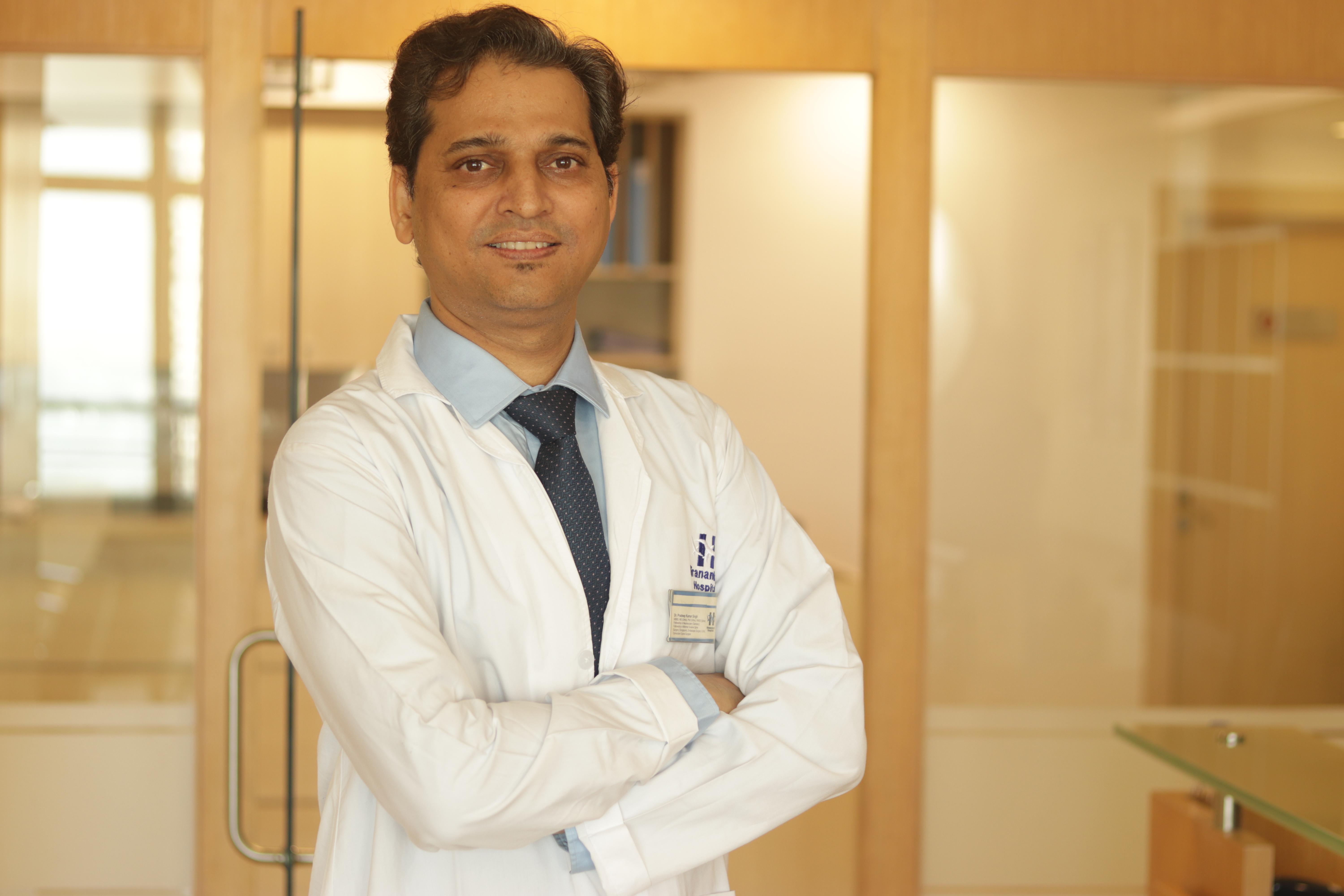
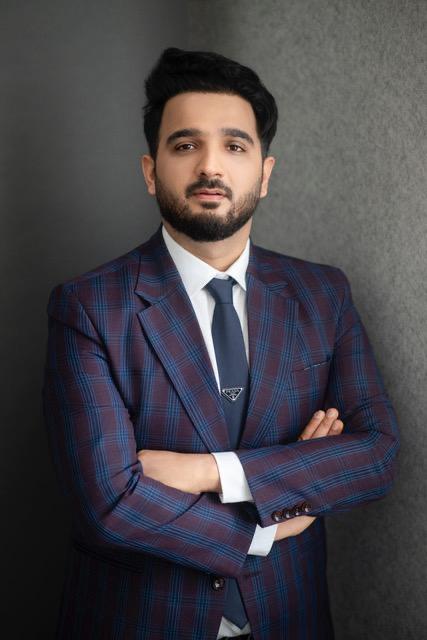
| Sr. No. | Name | Specialities | Qualification | Designation |
The Department of Orthopaedics, Joint Replacement, Sports Medicine and Spine Surgery at Dr L H Hiranandani Hospital provides comprehensive care for bone, joint and spine conditions. Our team of orthopaedic surgeons includes experienced senior surgeons as well as younger surgeons trained in specific super-specialities. Many of our surgeons also contribute as faculty for teaching and research. From trauma to joint replacement surgeries, from arthroscopy to sports injuries and from spine surgeries to paediatric orthopaedics, our surgeons are trained to treat a wide range of conditions. They are supported by a dedicated joint replacement operation theatre. Computer navigation and advanced arthroscopic equipment assist the surgical team. Digital radiography, CT scan and MRI facilities support accurate diagnosis and treatment planning.
We have a triage process for determining the priority of patients' treatments based on the severity of their condition. Our Casualty can handle life and limb saving procedures.
Orthopaedics is the medical specialty that focuses on injuries and diseases of the body's musculoskeletal system. This complex system includes the bones, joints, muscles, ligaments, tendons, nerves and skin. Dr L H Hiranandani Hospital offers comprehensive orthopaedic care. Make an appointment with one of our orthopaedic specialists in Mumbai to start your journey towards a healthy and active life.
The Department of Orthopaedics, Joint Replacement, Sports Medicine and Spine Surgery at Dr L H Hiranandani Hospital treats a wide range of orthopaedic conditions. Our spine specialists in Mumbai are committed to providing quality care to patients.
Our team of orthopaedic surgeons in Mumbai performs a wide range of surgeries, and many of them also contribute as faculty for teaching and research. From trauma to joint replacement surgeries, from arthroscopy and sports injuries (managed by sports injury specialists) to spine surgeries (managed by spine specialists) and paediatric orthopaedics, our surgeons are trained to treat a variety of conditions.
The joint replacement operation theatre is equipped with modern technology. Computer navigation and advanced arthroscopic equipment for minimally invasive surgery assist the orthopaedic team. Digital radiography, CT scan and MRI facilities support accurate diagnosis and treatment planning.
Orthopaedists are involved in all aspects of healthcare related to the musculoskeletal system. They use medical, physical and rehabilitative methods as well as surgery, and orthopaedics is a specialty of considerable breadth and variety. Orthopaedists treat a wide variety of diseases and conditions, including fractures and dislocations, sprains and strains, tendon injuries, torn ligaments, bone tumors, pulled muscles, bursitis, slipped discs, arthritis and osteoporosis, sciatica, low back pain, scoliosis, knock knees, bow legs, bunions and hammer toes, muscular dystrophy and cerebral palsy, club foot, unequal leg length, abnormalities of the fingers and toes, and growth abnormalities. Whether you need a spine specialist, a sports injury consultant, an arthroscopic specialist or minimally invasive shoulder surgery, our orthopaedic doctors in Powai are trained to manage these conditions.
In orthopaedic practice, roughly half of an orthopaedist's work is devoted to non-surgical or medical management of injuries and diseases, and the other half to surgical management. When an injury or disease of the bones, joints, muscles, tendons, ligaments, nerves or skin needs surgery to restore lost function, our team of orthopaedic doctors in Mumbai provides the required care.
Healthcare professionals and physicians often work closely with an orthopaedist, who serves as a consultant to others. Orthopaedists are members of the teams that manage complex, multi-system trauma, and often play an important role in the organisation and delivery of emergency care.
At our orthopaedic hospital in Mumbai, our team treats acute injuries, disorders, and chronic arthritic or overuse conditions of the bones (congenital and acquired), joints and their associated soft tissues, including ligaments, nerves and muscles.
Most consultants work alongside general surgeons in emergency trauma, treating bony and soft tissue injuries admitted through the Casualty department. Many also have a special interest in a particular orthopaedic area, including the following:
We have a triage process for determining the priority of patients' treatments based on the severity of their condition. Our Casualty is capable of handling life and limb saving procedures.
Hiranandani Orthopaedic Medical Education (HOME), the academic orthopaedic division of Dr L H Hiranandani Hospital, Powai, Mumbai, has been approved as an International Education Centre of SICOT (Société Internationale de Chirurgie Orthopédique et de Traumatologie), an international orthopaedic organisation.
HOME is a research unit dedicated to the field of orthopaedics. The unit submitted its first international paper to the Journal of Bone and Joint Surgery (British Volume) in March 2009, and a number of publications have followed since then. HOME has a Research Fellow and a full-time research assistant, with dedicated sessions for literature search, data entry and management of a newly developed software called SwingSmart™.
HOME is working on a number of projects related to clinical research in orthopaedics. A number of scientific meetings have also been planned for the future.
Two Research Fellowships are offered by HOME. The tenure is initially six months and is extendable up to a year. Research Fellows are responsible for carrying out and completing the projects, under the supervision of three full-time consultant orthopaedic surgeons. There are targets and deadlines for the projects, and the Fellows are expected to present papers at national and international conferences.
HOME also runs a Johnson & Johnson fellowship programme for joint replacement (6 months). We also offer a one-month visiting fellowship for joint replacement from the Indian Orthopaedic Association MP Chapter.
HOME is a collaborative effort of the management of Dr L H Hiranandani Hospital and the Department of Orthopaedics, who recognise the need for research in India.
The objective is to share this knowledge with the orthopaedic community at large, compare outcomes, work together on promising treatments, and share what we learn and teach about orthopaedics.
Arthritis is a leading cause of disability worldwide. It is an inflammation of the joints that causes pain, stiffness and swelling. As per WHO (World Health Organization) statistics, the population aged over 65 is expected to increase by 400% over the next 30 years. As the world's population grows older and medical advances lengthen average life expectancy, osteoarthritis will become a larger public health problem. One of the pressing needs in the future will therefore be joint replacement for arthritic disease.
To spread knowledge about the management of arthritis, the Department of Orthopaedics and Joint Replacement Surgery at Dr L H Hiranandani Hospital has established an Arthritis Support Group in India. The group provides a common platform for people suffering from arthritis. So far, we have conducted 50 support group meetings at various locations.
Sports injuries have become common in India due to the country's growing interest in sports and exercise. Sports-related or exercise-related injuries can affect a player's performance and keep them from reaching their potential. If these injuries are not treated, arthritis may also develop.
Sports Medicine is a branch of collaborative medicine that specialises in preventing, diagnosing and treating injuries sustained during sports or exercise. Our goal is to help the patient return to sports and prevent future problems.
Sports medicine is not only for competitive athletes but also for non-athletes who play sports or exercise occasionally, the so-called "weekend warriors".
Arthritic or damaged bones surfaces are removed and resurfaced with an artificial joint know as prosthesis. Knee and hip replacements are most common, but joint replacement can be performed on other joint such as the shoulder, elbow, etc.
When complete joint is damaged with degenerated cartilage all over then it becomes difficult for the patient to continue day to day activities of life. So total joint replacement to be considered if other options like medication, physiotherapy etc will not relieve pain and disability in such condition. The goal is to relieve the pain in the joint caused by the damage done to the cartilage. Total joint replacement which is also called as Arthroplasty is one of the most successful and innovative surgery of 19th Century.
Under the effect of spinal or epidural or general anesthesia the damaged ends of the bones and cartilage are replaced with an artificial joint made of metal and plastic surfaces. They are shaped to restore joint movements and function.
The materials used in a total joint replacement are designed to enable the joint to move just like your normal joint and hence resemble the normal joint closely. The prosthesis is generally composed of two parts: a metal piece that fits closely into a matching sturdy plastic piece. Alloys of cobalt, chrome and titanium are main metal used. The plastic used is ultra-high-molecular-weight-polyethylene. Using these advanced bio-materials and well executed surgical technique one can expect excellent results of long term durability.
Total Hip Replacement Surgery This surgery is the most successful innovation of 19th Century. This remains gold standard procedure. In this operation socket and ball (head) of the femur bone is removed. Depending up on the bone quality new socket and stem-head made of different materials is used in. This articular surface material could be combination of plastic (ultra high molecular weight polyethylene) on Metal (cobalt chrome molibdinum), plastic on ceramic ball and ceramic on ceramic ball. Again depending up on the age and quality of bone these joints have been put in with bone cement or without bone cement. Results of this conventional hip replacement surgery are excellent only difference from hip resurfacing is that original ball is not conserved and patients are not allowed to squat.
Total Knee Replacement When whole knee joint (all compartments) is affected then only solution to relieve pain and get back to normal routine activities is total knee replacement surgery. In this procedure thigh bone side of joint (femur) is replaced with metal prosthesis, leg side (tibia) is replaced with metal and plastic and knee cap (patella) is replaced with plastic prosthesis. Results and durability of this surgery is excellent. There is a breakthrough technology with high flexion –Knee designs where patient can get complete knee bending and can sit cross legged after surgery. This has been done regularly in Dr L H Hiranandani hospital. Knee replacement surgery in our hospital regularly done using computer navigation system.
Unicondylar Knee Replacement When one compartment of knee joint is arthritic then replacing this part with metal and plastic joint through a small incision (skin cut) provides excellent quick recovery. Benefit of this operation is that patient can bend the knee fully and can perform most of the activities. Hospitalization for this surgery is just two days.
A very special technique patient control analgesia (PCA) is used where a catheter is kept in epidural space and through PCA pump pain relieving medicines are delivered in controlled fashion to relieve pain. If patient need more dose of medication as per pain, (extra medicine) a bolus can be adjusted by patient himself/herself through hand press button given to them in post-operative period for 2 to 3 days. There is no post-operative pain; hence this is painless joint replacement surgery. .
In case of knee, hip, shoulder and elbow replacements patients have to be in the hospital for about 3 to 5 days. After unicompartmental knee replacement patient goes back home in 2 days time. .
In general physiotherapy program is neither strenuous nor painful. Few simple actions of exercises are taught to the patients by physiotherapist. They have been also taught proper gait training with the use of walker and crutches or canes.
Yes. Both knee/bilateral knee replacement can be done same day & same time. Safety of the patient is the most important criteria for this surgery. Medically fit patient having pain in both knees and willing to undergo surgery on both sides is the indication for bilateral total knee replacement. Advantages of joint replacement surgery
Advantages of joint replacement surgery
Computer-assisted joint replacement surgery is one of the most advanced treatment approaches utilized within orthopedic medicine. In the course of preparing for a knee operation, this technology allows your surgeon to complete a comprehensive assessment of the joint, including the potential creation of a 3-dimensional anatomical model. During the actual surgical procedure, these pre-op insights will be used to ensure proper joint alignment (often within fractions of a millimeter) and prosthetic placement. This means surgery could be performed with high accuracy and precision.
Computer-assisted surgery, abbreviated CAS, uses special probes attached to the body to help your surgeon ensure proper positioning of the joint replacement implants. The probes are detected by an infrared camera that is connected to a computer terminal. The computer terminal constructs an electronic model of the knee or hip based on the information gathered by sensing the position of these probes. The computer can then help guide your surgeon's placement of the knee or hip replacement implants to ensure proper positioning of the joint replacement. This also helps in proper alignment of implant, lower limb axis and ligament balancing.
The Advantages of Computer Guided Joint Replacement Surgery are :
Arthroscopy is a technical term for keyhole surgery of any joint. Keyhole surgeries in joints such as knee, shoulder are well established. There are very few centers in India where Hip and small joint arthroscopy is performed. Dr L H Hiranandani Hospital is one of those distinguished few.
Until recently any approach to the joint pathologies by surgeons, involved open surgery. Open surgery means a large incision and a hospital stay of 7 days or longer, exposing the patient to potential risks such as infection, deep vein thrombosis (clots in deep veins), major nerve or vessel injury and muscle weakness. Open surgery of the joint in young adults, therefore, may expose the joint to the ravages of arthritis in later years. Arthroscopic surgery of the joints therefore, appears to be an attractive option has proved to be very successful in multiple clinical studies.
Arthroscopy is usually a day case, or overnight stay. There are multiple procedures that can be now performed with keyhole approach and use of camera and telescope, right from cleaning of arthritic debris to ligament and tendon repair and reconstructions, instability surgery and also intra-articular fracture fixation.
Almost everyone with joint problem can be treated with arthroscopic surgery when indicated. The indications are increasingly becoming vast. Historically, athletes and active young individuals were the only targeted population but arthroscopic surgery has led to a better understanding of the mechanisms and injury patterns not known before. Hence even the elderly with knee, shoulder and other joint problems benefit significantly from arthroscopic procedures.
Hip and small joint arthroscopy although a fairly new concept in India, globally has taken arthroscopic surgery by storm. Arthroscopy of the hip joint has led to a greater understanding of the nature of adolescent and adult hip pathologies, and, offers comprehensive access to an evolving series of conditions that affect the hip joint, many of which were previously unrecognized and, thus, left untreated.
A number of orthopaedic & sports conditions remain a major therapeutic challenge even this day and age; for example: Achilles tendon and tennis elbow. Two treatment methods that hold promise for the future of tendon disease management are injection of autologous platelet rich plasma (PRP) / Autologous Platelet concentrate (APC) and a tissue engineering approach to regenerate healthy tendon tissue.
Platelets are small disk or plate like structures formed in blood, that are partially responsible for blood clotting (stops bleeding), and are critical in healing process. They promote more rapid healing by secreting various growth factors, which enhance recovery.
It is safe because it is the patient’s own blood that is processed and used in the therapy. Thus there is NO RISK of transmission of infectious disease.