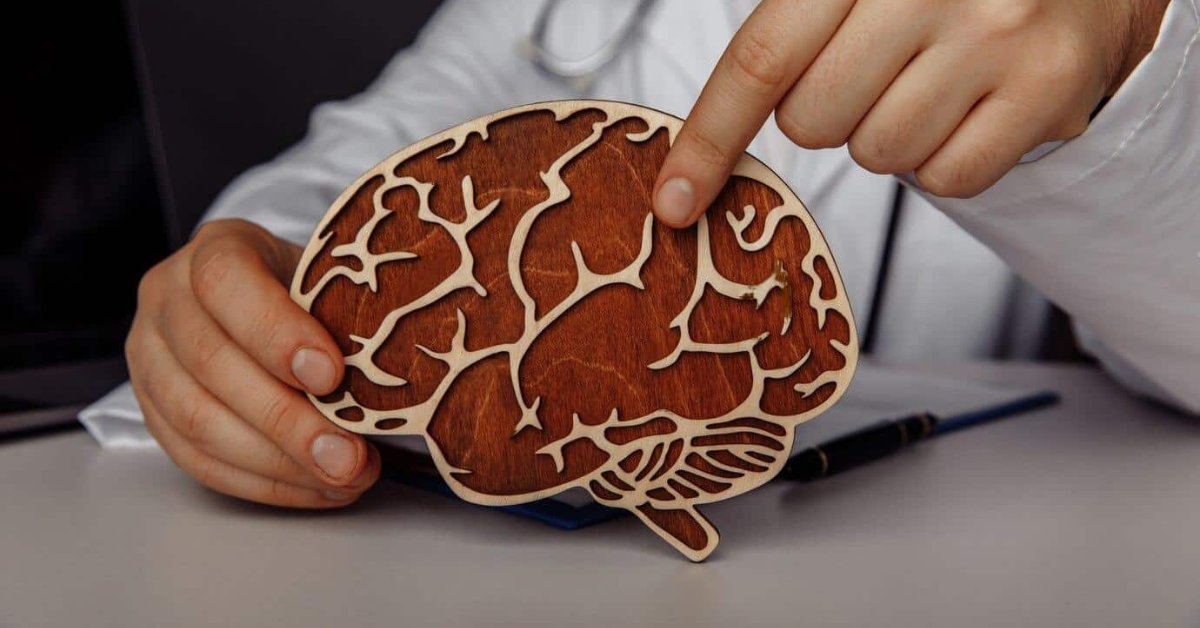
The human brain and nervous system control every thought, movement, and sensation we experience. When this system is affected, the body often shows early warning signs that are easy to dismiss. Recognizing early symptoms of nervous system disorders and Neurological Disorders allows timely medical attention, better outcomes, and improved quality of life. This article explores those early signs in detail to help readers understand when to seek help.
The nervous system acts as the body’s communication highway, transmitting signals between the brain and the rest of the body. When this system is disrupted, even slightly, noticeable physical, cognitive, or emotional changes may appear. Understanding how this system works is the first step toward recognizing neurological problems early.
Neurological Disorders are conditions that affect the brain, spinal cord, and peripheral nerves, disrupting how signals travel through the body. These disorders may develop suddenly, such as after a stroke or injury, or progress slowly over time, as seen in Neurodegenerative diseases. Symptoms vary widely and may include movement difficulties, memory problems, sensory changes, or emotional disturbances. Because these conditions impact essential life functions, early recognition and appropriate treatment for neurological disorders play a critical role in limiting long-term complications.
The nervous system is divided into the central and peripheral systems, both working together to control voluntary and involuntary actions. Nerve cells communicate using electrical impulses and chemical messengers at remarkable speed. Any disruption in this process can affect movement, sensation, thinking, or organ function. Even minor damage can produce noticeable symptoms, making early awareness of nervous system disorders vital for preventing further neurological decline.
Early detection of nervous system disorders allows doctors to intervene before significant nerve damage occurs. Many Neurological Disorders respond better to treatment when addressed in their early stages. Early diagnosis also helps individuals plan lifestyle changes, begin therapy, and access support resources. Timely treatment for neurological disorders can slow progression, reduce symptom severity, and improve long-term independence and quality of life.
The body often sends subtle signals before serious neurological damage occurs. These early warning signs may seem unrelated or harmless but can indicate underlying neurological problems. Paying attention to these changes can lead to faster diagnosis and better outcomes.
Headaches that are frequent, severe, or different from usual patterns may signal neurological involvement. When headaches are accompanied by nausea, visual disturbances, or confusion, they warrant immediate evaluation. Sensory changes such as tingling, numbness, or burning sensations may indicate nerve damage. These symptoms are commonly associated with Neurological Disorders and should not be dismissed as stress or fatigue without proper assessment.
Memory problems become concerning when they interfere with daily life. Forgetting recent events, repeating questions, or struggling with familiar tasks may signal early cognitive decline. These symptoms are often linked to Neurodegenerative diseases, which gradually affect brain function. Early recognition allows individuals to seek evaluation and begin treatment for neurological disorders that may slow progression and preserve cognitive abilities.
Persistent difficulty concentrating, slow thinking, or mental fog can be early neurological signs. Individuals may feel mentally exhausted even after adequate rest. Tasks requiring focus may feel overwhelming, affecting work and daily responsibilities. When mental clarity does not improve with lifestyle adjustments, it may indicate underlying nervous system disorders that require medical attention.
Movement-related symptoms are often among the most noticeable signs of neurological dysfunction. Changes in strength, coordination, or balance can signal early nerve or brain involvement.
Tremors, unexplained muscle weakness, or clumsiness may reflect disrupted communication between nerves and muscles. Individuals may notice difficulty writing, holding objects, or performing fine motor tasks. These symptoms often worsen gradually and are common in various Neurological Disorders. Early evaluation helps identify whether symptoms are temporary or signs of progressive neurological conditions.
Balance issues may appear as frequent stumbling, dizziness, or unsteady walking. Subtle changes in gait are often early indicators of neurological involvement. These symptoms increase the risk of falls and injuries. Balance problems are frequently associated with Neurodegenerative diseases and other nervous system disorders, making early assessment essential for safety and management.
Neurodegenerative diseases cause gradual loss of nerve cells, leading to progressive symptoms. Early signs may include stiffness, slowed movement, reduced facial expressions, or changes in posture. These symptoms are often mistaken for normal aging. Identifying them early allows timely treatment for neurological disorders, which may help slow disease progression and maintain functional abilities longer.
Neurological health strongly influences emotions, personality, and communication. Changes in these areas may appear before physical symptoms and should be taken seriously.
Sudden mood changes, persistent sadness, or unexplained anxiety may have neurological causes. Damage or dysfunction in brain regions that regulate emotions can trigger these symptoms. Emotional changes are common early signs of Neurological Disorders and may precede movement or cognitive symptoms. Recognizing these changes helps ensure comprehensive evaluation and appropriate care.
Personality changes such as apathy, irritability, impulsiveness, or social withdrawal may indicate neurological involvement. Loved ones often notice these changes before the affected individual does. These symptoms are associated with nervous system disorders affecting the brain’s frontal regions. Early recognition supports timely intervention and better long-term management.
Speech difficulties may include slurred speech, trouble finding words, or difficulty understanding conversations. These symptoms may develop gradually or suddenly. Communication problems often cause frustration and social isolation. Speech changes can signal serious Neurological Disorders, making early diagnosis and treatment for neurological disorders critical for preserving communication abilities.
Not all neurological symptoms are outwardly visible or immediately noticeable. Some affect how the body interprets sensory input, while others disrupt automatic functions such as sleep, heart rate, digestion, and energy regulation. These subtle changes are often overlooked or misattributed to lifestyle issues, yet they may signal early Neurological Disorders involving sensory pathways or the autonomic nervous system. Paying attention to these signs is essential for early intervention and better long-term outcomes.
Vision and hearing disturbances are common early signs of neurological involvement and may appear gradually or suddenly. Blurred vision, double vision, difficulty focusing, ringing in the ears, or unexplained hearing loss can indicate disrupted nerve pathways between sensory organs and the brain. These symptoms may fluctuate, worsen over time, or occur intermittently, making them easy to ignore. However, they are often early indicators of Neurological Disorders affecting sensory processing centers, optic nerves, or auditory pathways, requiring prompt medical evaluation.
Persistent numbness, tingling, burning sensations, or partial loss of sensation may signal nerve damage, compression, or degeneration. These symptoms often begin in the hands or feet and can slowly spread to other areas of the body. Some individuals also experience reduced sensitivity to pain, heat, or cold, increasing the risk of injury. Such sensory changes can interfere with daily activities and balance. Early recognition supports timely treatment for neurological disorders, helping prevent permanent nerve damage and functional decline.
Sleep disturbances are frequently linked to neurological dysfunction and may include insomnia, fragmented sleep, excessive daytime sleepiness, or abnormal sleep behaviors. Chronic fatigue often accompanies nervous system disorders, leaving individuals physically exhausted and mentally drained despite adequate rest. Poor sleep disrupts cognitive function, emotional regulation, and immune health, creating a cycle that worsens neurological symptoms. When sleep problems persist without clear causes, neurological evaluation is essential to identify underlying conditions and initiate appropriate management strategies.
Understanding who is at risk and how neurological conditions are diagnosed helps individuals seek timely care. Many Neurological Disorders progress slowly, making early symptoms easy to dismiss. Awareness of risk factors and diagnostic pathways improves early detection, reduces complications, and increases the effectiveness of treatment strategies through timely medical intervention.
Genetic predisposition plays a significant role in many Neurological Disorders, especially Neurodegenerative diseases such as Alzheimer’s and Parkinson’s disease. A family history increases vulnerability, but lifestyle factors also contribute substantially. Smoking, poor nutrition, physical inactivity, chronic stress, and inadequate sleep negatively affect brain health. Additionally, head injuries, infections, and long-term exposure to toxins further elevate risk. Recognizing these factors encourages proactive health monitoring and early neurological consultation when symptoms arise.
Knowing when to consult a neurologist is critical for preventing disease progression. Persistent, unexplained, or worsening symptoms such as weakness, numbness, memory loss, tremors, or coordination problems warrant specialist evaluation. Sudden symptoms including confusion, speech difficulty, vision loss, or paralysis require immediate medical attention. Early consultation ensures accurate diagnosis, timely treatment for neurological disorders, and reduces the likelihood of long-term disability or irreversible nerve damage.
Diagnosing Neurological Disorders involves detailed neurological examinations, imaging studies such as MRI or CT scans, and sometimes blood tests or genetic screening. Treatment varies depending on the specific condition and severity. treatment for neurological disorders may include medications to control symptoms, physical and occupational therapy to restore function, lifestyle modifications, or surgical interventions when necessary. Early diagnosis broadens treatment options, improves symptom control, and enhances long-term prognosis and quality of life.
Although not all neurological conditions can be prevented, many can be effectively managed with early diagnosis, consistent care, and healthy lifestyle choices. Long-term outcomes depend heavily on how early symptoms are recognized and how well treatment plans are followed over time.
Healthy lifestyle habits play a powerful role in supporting brain and nerve function. Regular physical activity improves blood flow to the brain and strengthens neural connections. Balanced nutrition rich in antioxidants and essential nutrients supports cognitive health. Quality sleep, stress management, mental stimulation, and social engagement further protect against nervous system disorders. These habits not only reduce risk but also enhance the effectiveness of medical treatment for neurological disorders.
Rehabilitation is a cornerstone of managing Neurological Disorders, helping individuals regain or maintain function. Physical therapy improves strength, balance, and mobility, while speech therapy addresses communication and swallowing difficulties. Cognitive therapy supports memory, attention, and problem-solving skills. Ongoing care, including regular medical follow-ups and adaptive strategies, promotes independence, prevents complications, and significantly improves overall quality of life.
Living with Neurological Disorders requires long-term adjustment, education, and emotional resilience. With early diagnosis, appropriate treatment for neurological disorders, and strong support systems, many individuals continue to lead meaningful, productive lives. Patient education, caregiver support, counseling, and community resources play vital roles in coping effectively. A proactive approach empowers individuals to manage symptoms, maintain independence, and preserve dignity despite neurological challenges.
Early awareness of nervous system disorders and Neurological Disorders is essential for protecting brain health. Subtle changes in memory, movement, mood, or sensation should never be ignored. Early recognition enables timely treatment for neurological disorders, better symptom control, and improved long-term outcomes. Listening to your body early can make a lasting difference.
1. Are neurological disorders always progressive?
No, some are temporary or manageable with proper treatment.
2. Can young adults develop neurological disorders?
Yes, neurological conditions can affect people of any age.
3. Are emotional changes really neurological?
Yes, emotional symptoms can be early signs of brain involvement.
Book your appointment online or call our team directly.