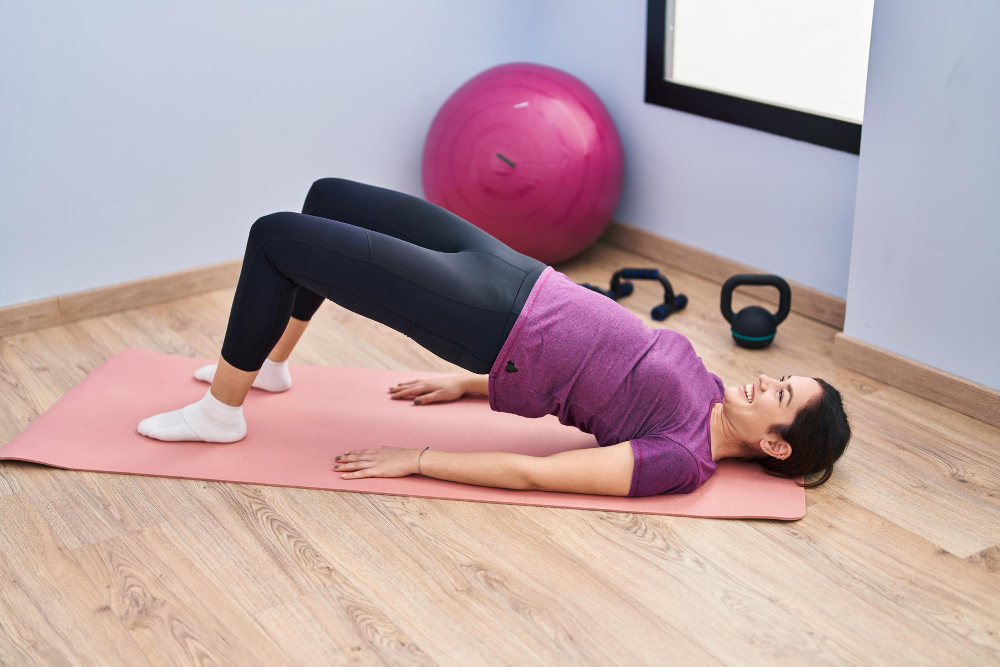
Maintaining healthy pelvic floor exercises is one of the most effective non-surgical ways to manage several urological conditions. Clinical guidelines from organizations such as the American Urological Association and the National Institute for Health and Care Excellence recommend pelvic floor muscle training as a first-line treatment for many forms of urinary incontinence. Strong pelvic floor muscles provide essential support to the bladder, urethra, bowel, and reproductive organs while helping maintain normal urinary control. When these muscles become weak because of ageing, pregnancy, childbirth, obesity, surgery, chronic coughing, or heavy lifting, individuals may experience urine leakage, frequent urination, urgency, or pelvic discomfort.
Healthy pelvic floor muscles work quietly in the background every day, yet most people rarely think about them until symptoms appear. These muscles act like a supportive hammock across the base of the pelvis, helping maintain bladder control and supporting nearby organs. Understanding their function is the first step toward preventing many common urological issues.
The pelvic floor muscles are a group of muscles and connective tissues located at the bottom of the pelvis. They provide structural support for the bladder, urethra, rectum, and, in women, the uterus. These muscles also play a major role in urinary and bowel continence by tightening when pressure increases during activities such as coughing, laughing, sneezing, or lifting heavy objects. If these muscles weaken, they cannot provide enough support, allowing urine leakage or difficulty controlling bladder function. Maintaining their strength helps improve stability, supports normal organ positioning, and contributes to better overall pelvic function throughout life.
Every time the bladder fills or empties, the pelvic floor muscles coordinate with the brain, nerves, and urinary sphincters. When functioning properly, they remain gently contracted to maintain continence and relax appropriately during urination. Poor coordination or muscle weakness disrupts this balance, resulting in urgency, incomplete bladder emptying, or accidental leakage. These muscles also help regulate bowel movements by supporting the rectum and assisting with normal defecation. Their coordinated activity explains why pelvic floor rehabilitation often improves both urinary and bowel symptoms simultaneously, making these exercises valuable for comprehensive pelvic care.
Several factors contribute to weakened pelvic floor muscles over time. Pregnancy and vaginal childbirth place significant strain on these muscles, while ageing naturally reduces muscle tone and elasticity. Obesity increases pressure within the abdomen, placing additional stress on pelvic structures. Men may develop weakness following prostate surgery, especially after prostate cancer treatment. Chronic constipation, persistent coughing due to smoking or lung disease, and repetitive heavy lifting can also gradually weaken the pelvic floor. Understanding these risk factors allows individuals to begin preventive strengthening exercises before symptoms become severe.
Pelvic floor dysfunction is associated with several common urological disorders that affect people of all ages. Although these conditions may have different underlying causes, weakened or poorly coordinated pelvic floor muscles often contribute to their symptoms. Early recognition and appropriate pelvic floor exercises can improve bladder function, reduce discomfort, and prevent symptoms from worsening. Understanding how these conditions develop also helps individuals seek timely treatment and make informed decisions about their pelvic health.
Urinary incontinence is one of the most common reasons healthcare professionals recommend pelvic floor exercises. It refers to the involuntary leakage of urine and can occur while coughing, laughing, sneezing, exercising, or even during routine daily activities. Stress urinary incontinence usually develops when the pelvic floor muscles become too weak to support the urethra during sudden increases in abdominal pressure. Urge incontinence, on the other hand, is often associated with an overactive bladder, although strengthening the pelvic floor can still help reduce episodes of urgency. Many clinical studies have shown that consistent pelvic floor muscle training significantly improves bladder control and decreases urine leakage without requiring surgery. For individuals with mild to moderate symptoms, these exercises are often considered the first step in conservative treatment.
An overactive bladder is characterized by a sudden and difficult-to-control urge to urinate, often accompanied by frequent bathroom visits during the day and night. Although nerve signals and bladder muscle activity play a major role in this condition, the pelvic floor muscles can help suppress urgency by providing additional support and control over bladder function. Learning to contract these muscles when the urge appears may delay urination long enough to reach the restroom comfortably. Over time, combining pelvic floor training with bladder retraining techniques can gradually increase bladder capacity and reduce the frequency of urgency episodes. Many patients notice improvements in confidence and quality of life as accidental leakage becomes less common and bladder habits become more predictable.
Pelvic organ prolapse occurs when weakened muscles and connective tissues allow pelvic organs such as the bladder, uterus, or rectum to descend from their normal position. Women are more commonly affected, particularly after multiple pregnancies, childbirth, menopause, or advancing age. Symptoms may include a sensation of heaviness in the pelvis, difficulty emptying the bladder, urinary leakage, or a noticeable bulge in the vaginal area. While severe prolapse may require medical or surgical treatment, strengthening the pelvic floor muscles can help improve muscle support, reduce discomfort, and slow the progression of mild prolapse. Regular exercise, combined with healthy lifestyle habits and weight management, provides additional protection for long-term pelvic health.
The benefits of pelvic floor muscle training extend far beyond preventing urine leakage. Regular exercise strengthens muscles that play a vital role in bladder control, bowel function, posture, and core stability. When performed consistently and correctly, these exercises can improve daily comfort, reduce the need for invasive treatments, and support faster recovery after certain medical procedures. The improvements often become noticeable within a few weeks, although lasting benefits usually require ongoing practice.
One of the greatest advantages of pelvic floor exercises is their ability to improve bladder control without medication or surgery. Strengthened muscles provide better support to the urethra, making it easier to prevent accidental urine leakage during physical activities or sudden increases in abdominal pressure. As muscle endurance increases, individuals gain greater control over urinary urgency and are less likely to experience embarrassing accidents. This natural approach is especially valuable for people with early-stage urinary incontinence because it addresses the underlying muscle weakness rather than simply treating symptoms. Consistency remains the key factor, as performing the exercises regularly helps build long-term muscle strength and coordination.
Pelvic floor rehabilitation is frequently recommended after certain urological and gynecological procedures. Men recovering from prostate surgery often experience temporary urinary leakage because the muscles responsible for continence require time to regain strength. Targeted pelvic floor exercises can accelerate recovery by improving muscle coordination and restoring bladder control more effectively. Women recovering from pelvic surgery or childbirth may also benefit from guided muscle strengthening to rebuild pelvic support and reduce postoperative discomfort. Healthcare professionals often recommend beginning these exercises under medical supervision to ensure proper technique and to avoid placing unnecessary strain on healing tissues.
Living with urinary symptoms can affect nearly every aspect of daily life, including work, travel, exercise, sleep, and social activities. Many people limit physical movement or avoid public outings because they fear urine leakage or urgent trips to the restroom. Strengthening the pelvic floor muscles often restores confidence by reducing these symptoms and allowing individuals to return to normal routines. Better bladder control also contributes to improved emotional well-being, lower stress levels, and increased participation in recreational activities. Rather than constantly planning around bathroom access, people regain greater independence and enjoy a healthier, more active lifestyle.
|
Urological Condition |
Common Symptoms |
Can Pelvic Floor Exercises Help? |
Additional Treatment May Be Needed |
|
Stress Urinary Incontinence |
Urine leakage during coughing, sneezing, exercise |
Yes, often considered first-line treatment |
Sometimes |
|
Urge Urinary Incontinence |
Sudden urge with leakage |
Yes, combined with bladder training |
Sometimes |
|
Overactive Bladder |
Frequent urination, urgency, nocturia |
Yes, improves bladder control |
Depending on severity |
|
Pelvic Organ Prolapse |
Pelvic pressure, bladder symptoms |
Helpful in mild cases |
Moderate to severe cases may require surgery |
|
Post-Prostate Surgery Incontinence |
Temporary urine leakage |
Strongly recommended during recovery |
Occasionally |
Knowing how to perform pelvic floor exercises correctly is just as important as doing them consistently. Incorrect technique may activate the abdominal, thigh, or buttock muscles instead of the intended pelvic floor muscles, reducing the effectiveness of the exercises. Learning proper muscle activation ensures better results and lowers the risk of continued bladder problems. Many healthcare providers recommend consulting a pelvic floor physiotherapist if there is uncertainty about technique.
The first step is identifying the correct muscles before beginning a strengthening program. One commonly used method is imagining that you are trying to stop the flow of urine or prevent passing gas without tightening your abdomen, thighs, or buttocks. This gentle contraction activates the pelvic floor muscles responsible for bladder support. It is important not to repeatedly stop urine flow during actual urination, as this can interfere with normal bladder emptying. Once the correct muscles are identified, exercises can be performed comfortably while sitting, standing, or lying down, making them easy to incorporate into everyday routines.
Once you have identified the correct pelvic floor muscles, developing a consistent exercise routine is essential for achieving long-term results. Begin by sitting or lying in a comfortable position and breathing normally. Gently tighten the pelvic floor muscles as if you are trying to stop urine flow, hold the contraction for about five seconds, and then relax for another five seconds. Repeat this process ten times to complete one set. As your muscles become stronger, gradually increase the hold time to ten seconds while maintaining steady breathing. Most healthcare professionals recommend performing three sets per day. Like any other muscle group, the pelvic floor responds to regular training, so consistency is more important than intensity. Many people notice improvement within six to twelve weeks when exercises are performed correctly every day.
Although pelvic floor exercises appear simple, incorrect technique is one of the main reasons people fail to achieve the expected results. Many individuals accidentally tighten their abdomen, thighs, or buttocks instead of isolating the pelvic floor muscles. Others hold their breath while exercising, which increases abdominal pressure and reduces the effectiveness of the contractions. Performing the exercises too quickly without fully relaxing between repetitions can also limit muscle development. Another common mistake is expecting immediate improvement and discontinuing the routine after only a few weeks. Building muscle strength takes time, just as it does with any fitness program. Following the correct technique, maintaining a regular schedule, and seeking professional guidance when needed can significantly improve outcomes.
Consistency is the foundation of successful pelvic health improvement. Since these exercises require no equipment, they can easily become part of everyday life. Many people perform them while brushing their teeth, driving to work, waiting in line, or watching television. Setting reminders on a smartphone or linking the exercises to existing daily habits helps maintain consistency without disrupting routines. Keeping a simple progress diary can also provide motivation by tracking improvements in bladder control and muscle endurance. Small daily efforts accumulate over time, making pelvic floor muscle training one of the most convenient long-term investments in urinary health.
pelvic floor exercises remain one of the safest, simplest, and most effective approaches for managing many common urological conditions. By strengthening the pelvic floor muscles, individuals can improve bladder control, reduce urinary leakage, support recovery after surgery, and maintain healthier pelvic organs throughout life. These exercises require patience and consistency rather than expensive equipment or invasive procedures, making them accessible to almost everyone. Although they are highly beneficial, persistent or severe urinary symptoms should always be evaluated by a qualified healthcare professional to rule out underlying medical conditions. When combined with healthy lifestyle choices, professional guidance when necessary, and regular exercise, pelvic floor training can significantly improve overall pelvic health and enhance quality of life.
Most people begin noticing improvements after six to twelve weeks of performing the exercises consistently.
Yes. Men frequently perform pelvic floor muscle training to improve bladder control after prostate surgery, manage urinary incontinence, and support overall pelvic health.
In most uncomplicated pregnancies, pelvic floor exercises are considered safe and are commonly recommended to strengthen muscles before childbirth.
Book your appointment online or call our team directly.