A silent but possibly deadly medical emergency, carbon monoxide (CO) poisoning can happen in homes, workplaces, and confined spaces. Carbon monoxide, sometimes known as the "invisible killer," is an odorless, colorless gas that may rapidly accumulate in the bloodstream and deprive critical organs of oxygen. In extreme circumstances, it may result in permanent brain damage or even death.
Hyperbaric Oxygen Therapy (HBOT) is one of the most successful cutting-edge therapies for moderate to severe carbon monoxide poisoning. Because it can speed up recovery and lessen complications, this therapy has drawn a lot of interest in emergency care. We will discuss how HBOT functions, its advantages, when it is advised, and what patients should be aware of in this blog.
When fuels like gas, oil, coal, or wood do not burn entirely, carbon monoxide is created. Gas burners, heaters, automobile exhaust, and generators are typical sources. Carbon monoxide enters the bloodstream by inhalation and combines with hemoglobin, the oxygen-carrying molecule found in red blood cells, to generate carboxyhemoglobin.
Cellular hypoxia (oxygen deprivation) is the result of this process, which drastically lowers the blood's capacity to provide oxygen to tissues. Particularly at risk are organs like the heart and brain that require a lot of oxygen.
Common Symptoms of CO Poisoning
Because these symptoms are nonspecific, CO poisoning can often be misdiagnosed or overlooked, making early detection critical.
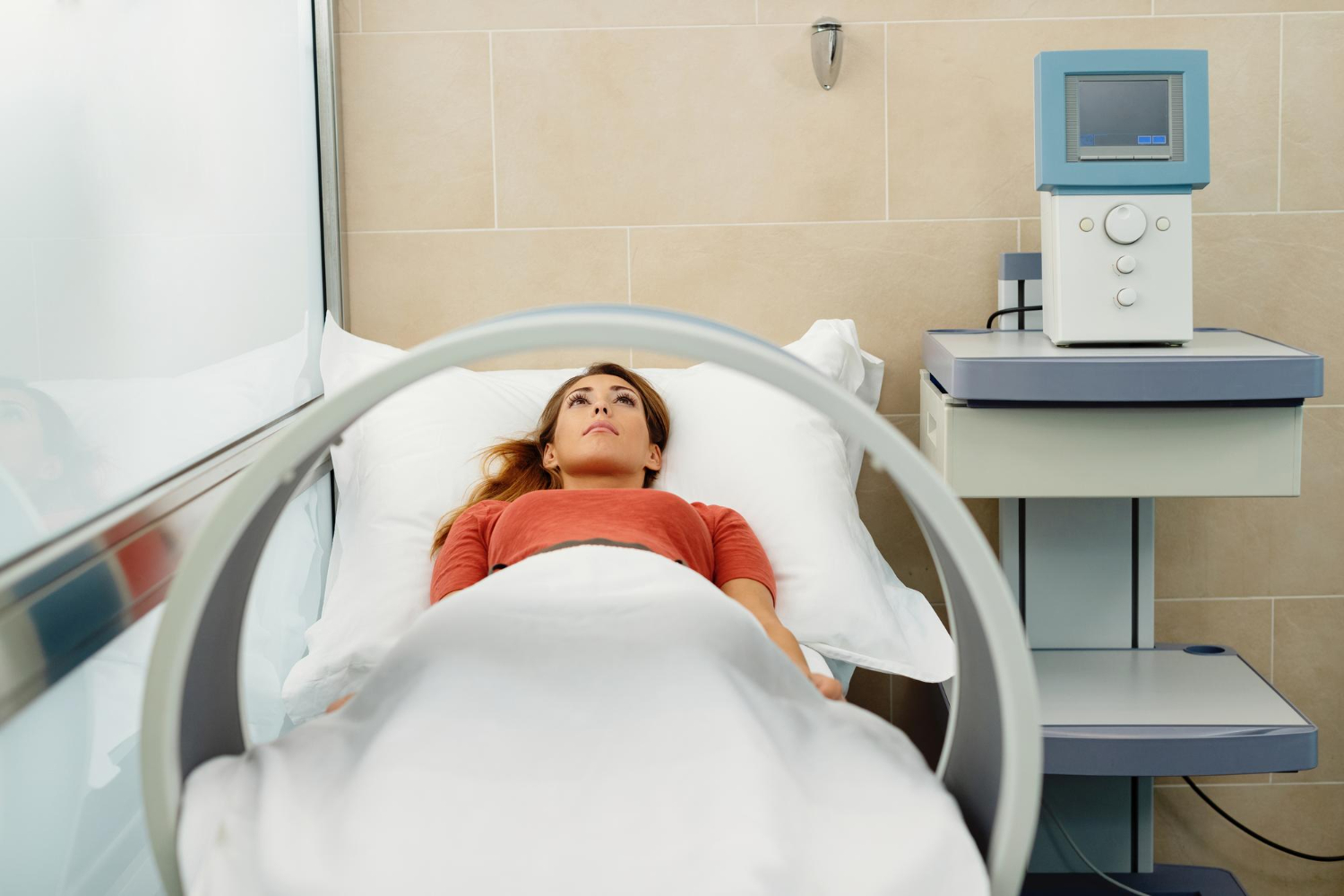
In a pressurized chamber, 100% pure oxygen is breathed as part of Hyperbaric Oxygen Therapy (HBOT). Because the air pressure inside the chamber is two to three times higher than usual, the lungs are able to absorb a lot more oxygen than they would normally be able to.
Oxygen can dissolve straight into the blood plasma in this oxygen-rich environment, avoiding the restrictions brought on by carbon monoxide binding to hemoglobin.
HBOT is a very successful treatment for CO poisoning because it operates through a number of important mechanisms:
The dissociation of carbon monoxide from hemoglobin might take many hours under normal circumstances. This process is greatly accelerated by HBOT, which shortens the half-life of carboxyhemoglobin from roughly 4-6 hours to less than 90 minutes.
HBOT makes sure that tissues get enough oxygen even when hemoglobin is compromised by raising the quantity of dissolved oxygen in plasma.
Delayed neurological symptoms such memory loss, cognitive impairment, and mood swings can result from carbon monoxide overdose. HBOT lowers the risk of long-term harm by reducing oxidative stress and inflammation in brain structures.
HBOT protects critical organs and enhances overall recovery outcomes by reducing the cascade of cellular damage brought on by hypoxia.
HBOT is not necessary in every instance of carbon monoxide poisoning. The degree of exposure and clinical symptoms determine whether or not to utilize this treatment.
HBOT is typically recommended in cases of:
To ascertain whether HBOT is required, prompt medical expert examination is crucial.
A monoplace (single-person) or multiplace (multi-person) chamber is typically used to give HBOT in a specialized medical facility.
When used by qualified professionals, HBOT is usually regarded as safe. But like any medical operation, there could be some adverse consequences, such as:
These dangers are greatly reduced by appropriate monitoring.
HBOT offers several advantages over conventional oxygen therapy:
These benefits make HBOT a critical intervention in appropriately selected patients.
Despite its great efficacy, HBOT is not always easily accessible, particularly in distant or resource-constrained environments. The timing of treatment is also very important; postponing the start of HBOT can make it less effective.
Other considerations include:
Despite these drawbacks, in extreme circumstances, the possible advantages frequently exceed the difficulties.
The greatest defense against CO poisoning is always prevention. Easy steps can drastically lower risk:
Increasing knowledge about CO safety can avert crises and save lives.
Related: The Use of HBOT for Enhancing Athletic Performance
Carbon monoxide poisoning is a dangerous and sometimes fatal illness that has to be identified and treated right once. With its quicker toxin removal, better oxygen delivery, and defense against long-term brain damage, hyperbaric oxygen therapy (HBOT) has become a potent treatment for treating moderate to severe instances.
Although HBOT won't be necessary for every patient, its prompt application in suitable situations can have a big impact on results. People and healthcare professionals can effectively respond to this quiet threat by being aware of the role of HBOT and taking preventive actions.
For advanced care in carbon monoxide poisoning, Dr L H Hiranandani Hospital offers state-of-the-art Hyperbaric Oxygen Therapy supported by experienced specialists. Known for its patient-centric approach and modern infrastructure, the hospital ensures timely, precise, and effective treatment for critical conditions.
No, HBOT is typically reserved for moderate to severe cases or when specific high-risk symptoms are present.
Ideally, as soon as possible. Early treatment improves outcomes and reduces the risk of complications.
Yes, it can lead to delayed neurological issues such as memory problems, mood changes, and cognitive impairment, especially if not treated promptly.
Book your appointment online or call our team directly.