In the ever-evolving world of wellness and longevity, Hyperbaric Oxygen Therapy (HBOT) has gained significant attention as a potential anti-aging solution. HBOT, which was formerly mainly used to treat decompression sickness and wound healing, is now being investigated for its potential to improve skin vitality, improve cellular health, and potentially slow down the aging process. However, what is its actual effectiveness? And before you do it, what hazards should you take into account?
In the perspective of anti-aging, this blog examines the science, advantages, and drawbacks of HBOT.
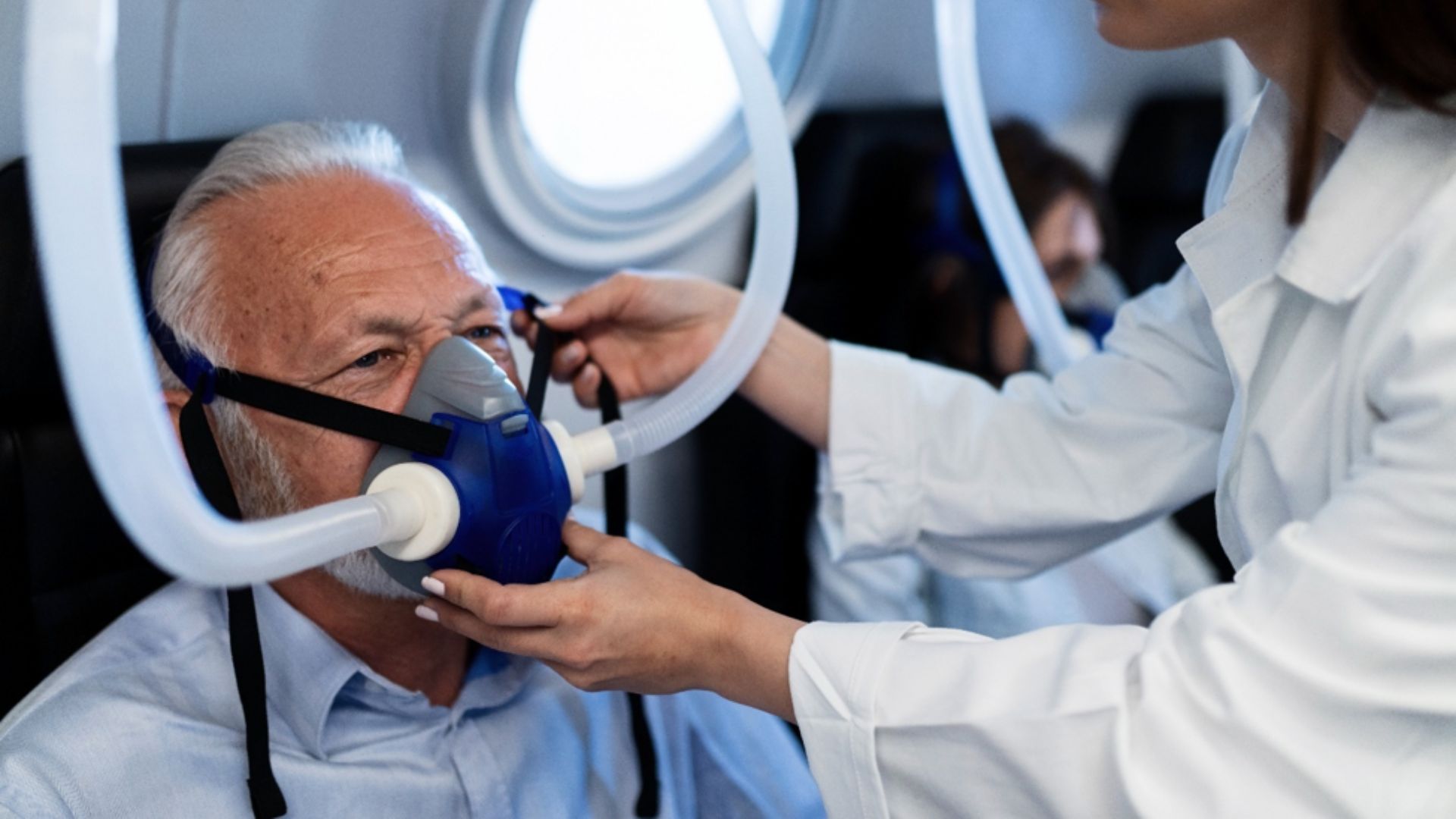
Pure oxygen is breathed in a pressurized room during hyperbaric oxygen therapy, usually at pressures greater than atmospheric pressure. This makes it possible for your lungs to take in more oxygen than usual, which is subsequently carried by the bloodstream throughout your body.
The increased oxygen supply is believed to:
HBOT was initially intended to treat infections, chronic wounds, and carbon monoxide poisoning, but it is currently being researched for wider uses, including anti-aging.
Aging is a complicated biological process that is impacted by a number of variables, including as exposure to the environment, lifestyle choices, and heredity. Aging is typified at the cellular level by:
Aging can be slowed down by any therapy that can address these basic pathways, and HBOT promises to accomplish just that.
Hyperbaric Oxygen Therapy (HBOT) may support anti-aging by enhancing oxygen delivery, promoting cellular repair, and activating natural regenerative processes within the body.
Cellular metabolism and repair depend on oxygen. HBOT dramatically raises tissues' oxygen availability, which may
Increased oxygenation has the ability to slow down degenerative processes by improving cell function.
HBOT may paradoxically boost the body's antioxidant defenses, despite the fact that oxygen itself can produce free radicals. This adaptive reaction is capable of:
This process, in which controlled oxygen exposure activates protective systems, is frequently referred to as the "hyperoxic-hypoxic paradox."
The ability of HBOT to affect telomeres—the protective caps on chromosomes that shrink with age—is among the most intriguing discoveries in recent research.
Some studies suggest that HBOT may:
Although additional extensive studies are required to validate these effects, this may have significant consequences for longevity.
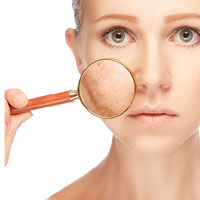
Maintaining youthful skin requires collagen. HBOT may increase fibroblast activity, which could result in:
Because of this, HBOT is a desirable choice for people looking for non-invasive skin rejuvenation.
Memory loss and cognitive decline are common outcomes of aging's effects on brain health. HBOT has demonstrated potential in:
Better mental clarity and a slower rate of cognitive aging may result from these advantages.
Although preliminary research on HBOT and anti-aging is encouraging, it's crucial to interpret the results cautiously.
In summary, more solid data is required before HBOT can be widely advised as an anti-aging treatment because the research is still developing.
HBOT carries some possible hazards, just like any medical treatment. Although typically regarded as safe when used under medical care, the following negative effects are possible:
Similar to what you might experience when flying, the elevated pressure in the chamber may produce pain or discomfort in the sinuses and ears.
Long-term exposure to excessive oxygen levels can cause oxygen poisoning, which can harm the central nervous system or lungs.
After several sessions, some people report temporary alterations in their vision, such as nearsightedness.
People who are claustrophobic may find it uncomfortable to be inside a pressured chamber.
Blood sugar levels may be impacted by HBOT, especially in those with diabetes, necessitating close observation.
Not everyone is a good fit for HBOT. Before beginning therapy, those with the following conditions should speak with a physician:
People using certain drugs and pregnant women should additionally consult a doctor.
HBOT provides an intriguing window into anti-aging treatments of the future. It is an appealing choice because of its capacity to promote cellular repair, boost skin health, and even affect genetic markers like telomeres.
However, it’s important to keep expectations realistic:
An intriguing new development in the pursuit of better aging is hyperbaric oxygen therapy. HBOT may provide significant advantages by improving oxygen delivery, lowering inflammation, and possibly affecting cellular aging pathways.
However, it has risks and limitations, just like any new treatment. Even if the preliminary data is encouraging, additional investigation is required to completely comprehend its long-term effects on aging.
Dr. L. H. Hiranandani Hospital is known for its advanced medical infrastructure and patient-centric care. With a team of experienced specialists and state-of-the-art technology, the hospital offers safe and effective hyperbaric oxygen therapy tailored to individual needs. Their focus on quality and clinical excellence ensures that patients receive the highest standard of care.
Is Hyperbaric Oxygen Therapy (HBOT) effective for anti-aging?
HBOT shows promising benefits like improved skin health and cellular repair, but more long-term research is needed to confirm its effectiveness for anti-aging.
How many HBOT sessions are needed to see anti-aging results?
Results vary, but most studies and clinics suggest multiple sessions (often 20–60) for noticeable benefits.
Are there any risks associated with HBOT for anti-aging?
Yes, potential risks include ear pressure, temporary vision changes, oxygen toxicity, and discom
Book your appointment online or call our team directly.