
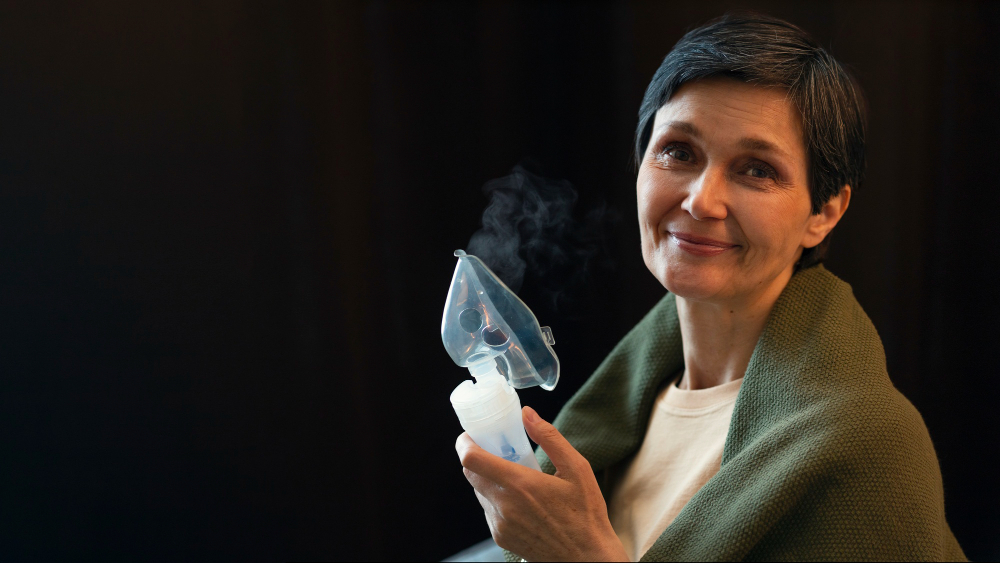
Dust mites, mold, pet dander, cockroach droppings and indoor pollen are common indoor allergens that trigger asthma. Dust mites are a major trigger because they live in beds, sofas and carpets. If your cough or wheeze gets worse at night or indoors, one of these may be the cause. Finding the trigger early can help your doctor plan asthma treatment in Mumbai and your daily care.
Indoor allergens are tiny particles inside your home that your immune system mistakes for a threat. In people with allergic asthma, the body reacts by swelling and narrowing the airways. This causes coughing, wheezing, chest tightness and breathlessness.
Most people spend a large part of the day indoors. This means exposure can be constant, not occasional. Even a small amount of allergen, breathed in every day, can keep the airways inflamed.
Not all asthma is driven by allergy. Smoke, cold air, exercise, strong smells and infections can also set it off. Allergic asthma is one recognised form, and indoor allergens can be a hidden reason a person does not feel well.
Here is a quick comparison of the main allergens and where they are found.
|
Allergen |
Where It Hides |
How It Triggers Asthma |
|
Dust mites |
Mattresses, pillows, curtains, soft toys, sofas |
Their droppings and body parts are inhaled as fine dust |
|
Mold spores |
Damp walls, bathrooms, kitchens, AC units |
Spores float in the air and irritate airways |
|
Pet dander |
Fur, bedding, carpets |
Skin flakes, saliva and urine proteins stay airborne |
|
Cockroach waste |
Kitchens, drains, cupboards |
Droppings and shed body parts carry allergens |
|
Indoor pollen |
Enters through windows and clothing |
Settles on surfaces and gets stirred up |
|
Smoke and fumes |
Incense, mosquito coils, cooking smoke |
Not allergens, but they can inflame sensitive airways |
Dust mites are microscopic. You cannot see them, but they thrive in warm, humid homes. They feed on dead skin flakes, so beds are a common place to find them.
Mumbai’s humid climate suits them well. A pillow or mattress that has not been cleaned for months can hold large numbers.
Common signs include a morning cough, night-time wheeze, a blocked nose and itchy eyes.
Mold grows wherever there is moisture. In Mumbai, the monsoon can raise moisture inside homes. Damp patches on walls, leaking pipes, wet bathroom corners and unclean air conditioner filters can all be sources.
Mold spores are very light. They travel through the air and can reach the lungs. Some people notice that their asthma worsens during the rains. Indoor mold can be one reason.
Many people assume pet hair is the problem. It is not. The allergens are proteins in a pet’s skin flakes, saliva and urine.
These particles are small and sticky. They cling to clothes, sofas and curtains. They can stay in a house for months, even after the pet is gone.
Cockroach droppings and body fragments can trigger asthma. A home can look clean and still have hidden cockroach activity behind kitchen cabinets and near drains.
Some things are not true allergens but can still worsen asthma:
Anyone can develop allergic asthma, but some groups may be affected more.
Timing can give you a clue about the trigger.
Try keeping a simple diary for two weeks. Note where you were, what you did and how you felt. A doctor can use this diary to understand your pattern.
You cannot be sure by guessing. A proper evaluation helps. A doctor usually begins with your history and symptoms. They may then suggest:
These tests do not replace a medical consultation. They help your doctor build a plan that fits you.
You do not need an expensive setup. Small, steady habits can reduce exposure.
A clean home may still not be enough to control symptoms. Reducing allergens lowers exposure, but asthma is a long-term condition. It needs medical care alongside a clean environment.
Asthma care usually involves two types of medicines:
Some patients with proven allergies may also be advised allergen immunotherapy. Whether it suits you is a decision for your doctor. Never stop or change an inhaler on your own.
Mild symptoms that keep returning deserve a medical review. A cough that is dismissed as “just dust allergy” can have an underlying cause that needs assessment.
Seek medical help if you notice:
Go to an emergency department immediately if you have severe breathlessness, difficulty speaking in full sentences, blue lips or no relief from your reliever.
If you are looking for an asthma doctor in Mumbai, choose a pulmonologist or chest physician with a valid registration. They can confirm your diagnosis, review your triggers and prepare a written asthma action plan.
Asthma is a long-term condition that is managed with a medical plan. A routine may include:
Relevant Blog : When Should Asthma Patients Visit the Emergency Room?
Dust mites are a major indoor trigger. They live in bedding, carpets and upholstered furniture.
Mold spores float in the air and can irritate the airways. Mold does not cause asthma in everyone, but it can trigger symptoms in people who already have it. Damp homes are a common concern during the monsoon.
Pet dander can trigger asthma in sensitive people. Keeping pets out of the bedroom is one step that may reduce exposure. Discuss it with your doctor before deciding.
No. Cleaning reduces exposure to dust mites, mold and other allergens, but asthma is a long-term condition. It also needs a medical plan.
Asthma is a long-term condition. It is managed with treatment and trigger control. Response differs from person to person, so your doctor will guide your plan.
Skin prick tests and specific blood tests can identify allergens. Your doctor will advise which one suits you.
See a doctor if you have a cough or wheeze lasting more than a few weeks, breathlessness on walking or climbing stairs, night-time chest tightness, or a growing need for your reliever inhaler. Seek emergency care for severe breathlessness, blue lips or no relief from your reliever.
Dust mites, mold, pet dander and cockroach allergens are common indoor asthma triggers. Simple habits at home can reduce exposure. If breathing trouble keeps returning, get a proper medical assessment. An early diagnosis and a written plan can help your doctor manage your asthma.
To contact Hiranandani Hospital, visit https://www.hiranandanihospital.org/
Book your appointment online or call our team directly.


